
Introduction
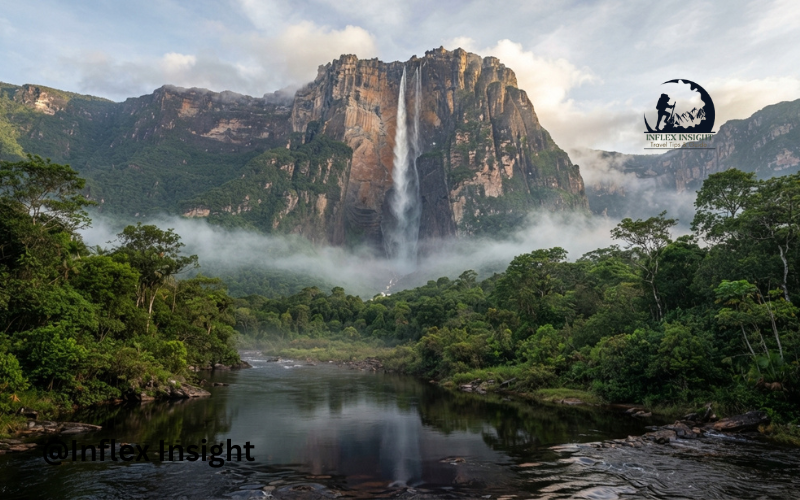
A Canaima Venezuela tour takes travelers deep into one of South America’s most remote natural areas. Canaima National Park lies in southeastern Venezuela, within Bolívar State, and is best known as the home of Angel Falls.
Most visitors choose an organized tour because the park cannot be explored through normal road travel. Flights, river boats, local guides, accommodation, and meals must usually be arranged together. The experience may include journeys in traditional canoes, jungle hikes, powerful waterfalls, wide lagoons, and views of ancient flat-topped mountains called tepuis.
Canaima National Park at a Glance
Canaima is a vast landscape of rainforest, rivers, savannah, cliffs, and waterfalls. According to UNESCO, the park covers around three million hectares, and roughly 65% of it consists of tepui formations. It became a UNESCO World Heritage Site in 1994.
Canaima village serves as the main tourism base. Its small airstrip, lodges, lagoon, and boat connections make it the starting point for most excursions. This is not a typical sightseeing destination: travel is slow, weather-dependent, and closely connected to the natural environment.
The Best Time for a Canaima Venezuela Tour
The rainy season generally offers higher river levels and a stronger flow at Angel Falls. These conditions make boat travel easier, although rain and clouds can sometimes reduce visibility.
During the drier months, the weather may be clearer, but river levels can fall significantly. Boats may move more slowly or struggle in shallow sections, especially late in the dry season. Travelers mainly interested in reaching Angel Falls by river often prefer the wetter period, commonly from June through November.
Getting to Canaima National Park
International visitors usually enter Venezuela through Caracas before taking a domestic flight to Canaima. Flight schedules can be limited and may change, so travelers should confirm them directly with their airline or tour operator.
Once the plane lands, lodge or tour staff normally meet guests at the airstrip. Reaching Angel Falls by road is not practical. The landscape, long distances, and absence of normal road connections make air and river transport essential.
Canaima Tour Types and Ideal Trip Lengths
Short packages concentrate on Canaima Lagoon and its nearby waterfalls. Longer expeditions include the river journey and jungle hike to Angel Falls, often with a night in a simple camp.
A lodge-based package offers more comfort, while an expedition-style program includes hammocks and remote shelters. Shared tours are usually more affordable, whereas private tours provide greater flexibility. Because domestic flights may operate on limited days, a stay of four or five days is often more realistic than a rushed weekend visit.
A Realistic Canaima and Angel Falls Itinerary
Arrival in Canaima and Lagoon Exploration
After landing, travelers transfer to their lodge and explore Canaima Lagoon. The first day may include a boat ride and visits to waterfalls close to the village.
River Journey Toward Angel Falls
The expedition continues by curiara, a traditional canoe used by local communities. The route follows the Carrao and Churún rivers through rainforest and tepui scenery.
Jungle Hike to the Angel Falls Viewpoint
From the riverside camp, visitors follow a wet and uneven forest trail to the main viewpoint. The walk commonly takes about an hour each way, depending on the conditions.
Return Journey Through the National Park
After viewing Angel Falls, the group returns by river. Some itineraries include another waterfall, natural pool, or scenic stop along the way.
Departure from Canaima Village
The final morning is normally spent near the lagoon before transferring to the airstrip. Exact departure times depend on the domestic flight schedule and weather.
The Main Experiences Included in a Canaima Tour
Angel Falls is the leading attraction, but it is only one part of the journey. Visitors may also see Hacha, Ucaima, Golondrina, and Sapo Falls, depending on water levels and the selected itinerary.
Other highlights include Canaima Lagoon, traditional boat travel, jungle trails, Pemón communities, and wide views of Auyán-tepui. Some operators offer optional scenic flights, although visibility is never guaranteed.
The Journey to Angel Falls
Reaching Angel Falls can require several hours in an open boat. Rain, spray, strong sunlight, and shallow water are all possible during the same trip.
Visitors then hike through humid forest to the viewpoint. Overnight accommodation may consist of a hammock with a mosquito net inside a basic shelter. The full journey requires patience, reasonable fitness, and a willingness to accept changing conditions.
Lodges, River Camps, Meals, and Comfort Levels
Canaima village has simple guesthouses as well as more comfortable lodges with private rooms. Remote river camps are much more basic and may have shared bathrooms, cold water, limited electricity, and little or no internet access.
Meals are commonly included in complete packages. Travelers with dietary needs should notify the operator early because food choices become limited away from the village.
Canaima Venezuela Tour Costs Explained
The cost of a Canaima Venezuela tour depends on its length, group size, accommodation, and departure point. Domestic flights may be included or charged separately. Other expenses can include park admission, guides, boats, meals, airport transfers, and overnight camps.
Private departures and upgraded lodges normally cost more than shared expeditions. Scenic flights, extra activities, drinks, tips, and hotel nights in Caracas may also be excluded. Request a written quotation showing exactly what the price covers.
What a Canaima Tour Package Should Include
A complete package should clearly state whether it includes domestic flights, airstrip transfers, river transport, guides, meals, accommodation, excursions, life jackets, and park fees.
The booking terms should also explain what happens if low water, heavy rain, flight disruption, or poor visibility changes the itinerary. Weather-related flexibility is an important part of visiting Canaima.
Choosing a Reliable Canaima Tour Operator
Look for recent independent reviews, clear contact information, and a detailed day-by-day plan. A dependable operator should explain the accommodation honestly and identify any costs that are not included.
Ask about guide experience, boat safety, emergency communication, English-language support, cancellations, and refunds. Be cautious if a company promises guaranteed views, unusually low prices, or an unrealistic one-day journey from Caracas.
Fitness, Mobility, and Tour Difficulty
The trip involves long boat rides, slippery paths, heat, humidity, and basic sleeping conditions. Travelers do not need advanced climbing experience, but they should be comfortable walking on uneven ground.
The tour may not suit people with serious mobility problems. Families and older visitors should discuss the route, camp facilities, and emergency options with the operator before paying a deposit.
Packing for Canaima’s Rivers and Rainforest
Pack lightweight clothing, a rain jacket, secure walking shoes, insect repellent, sunscreen, a hat, personal medicine, and quick-drying layers. A small waterproof bag is useful for documents, phones, batteries, and cameras.
Bring a portable power bank because electricity may be limited. Large suitcases, expensive jewelry, unnecessary electronics, and clothing that cannot get wet are best left behind.
Travel Documents, Health, and Safety Planning
Entry rules depend on nationality. Travelers should confirm passport validity, visa requirements, vaccination rules, and onward-ticket requirements with an official Venezuelan diplomatic source before departure.
Some governments currently publish strict warnings for travel to Venezuela and parts of Bolívar State. For example, the U.S. Department of State advises travelers to review serious security risks and notes limited emergency assistance outside Caracas. Travelers should read the latest advice issued for their nationality and make an informed decision.
Responsible Travel and Pemón Cultural Respect
The Pemón people have deep cultural and spiritual ties to Canaima. Many guides, boat crews, lodge workers, and tourism businesses are connected to local communities.
Visitors should ask permission before photographing people, respect cultural instructions, remain on approved trails, and avoid removing plants or stones. Using community-led services and carrying out all waste helps protect both the local economy and the park’s fragile environment.
Final Canaima Venezuela Tour Planning Checklist
Before departure, confirm:
- Travel dates, domestic flights, and transfers
- Tour operator credentials and recent reviews
- Package inclusions and cancellation conditions
- Passport, visa, insurance, and health documents
- Suitable clothing, medicine, and waterproof storage
- Emergency funds and family contact arrangements
Conclusion
A Canaima Venezuela tour combines remote travel with some of the most dramatic scenery in South America. Angel Falls may be the main attraction, but the river journey, tepuis, lagoons, jungle, and Pemón culture shape the complete experience.
Careful planning is essential. Travelers should choose a dependable operator, check current entry and safety information, prepare for basic conditions, and remain flexible when weather affects the schedule.
FAQs
1. Can travelers visit Canaima without an organized tour?
Visitors can fly to Canaima village, but reaching Angel Falls independently is extremely difficult. Boats, fuel, food, camps, and local navigation require advance coordination, making an organized expedition the practical choice.
2. How many days are needed for a Canaima Venezuela tour?
Four or five days usually provide enough time for Canaima Lagoon, the river journey, Angel Falls, and flight connections. Shorter programs may be possible, but they depend heavily on schedules and water conditions.
3. Which months are best for seeing Angel Falls?
The wetter months, often from June to November, generally provide stronger water flow and better river access. However, rain and cloud may affect visibility, so no month guarantees perfect conditions.
4. Is the Canaima tour suitable for children?
Some active children may manage the trip, but long boat rides, slippery trails, and basic camps can be challenging. Parents should check age limits and safety arrangements with the operator.
5. How much does a Canaima Venezuela tour cost?
There is no fixed price. Costs vary according to flights, trip length, accommodation, group size, and included activities. Always request a current written quote and compare packages by their inclusions rather than price alone.