
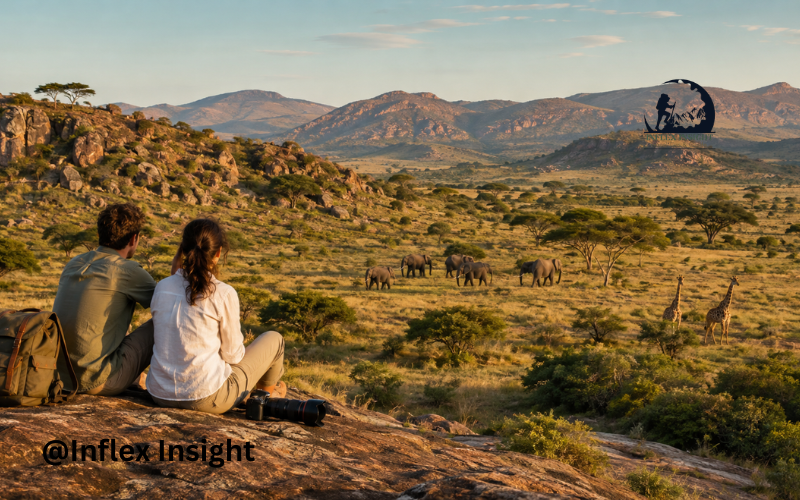
If you are searching for good African countries to visit, you have many exciting choices. Africa offers wildlife safaris, tropical islands, ancient landmarks, colorful cities, deserts, mountains, and welcoming local cultures. However, each country provides a different travel experience.
South Africa is excellent for travelers who want cities, beaches, and wildlife in one trip. Tanzania, Kenya, Botswana, and Zambia are popular for safaris, while Mauritius and Seychelles are better suited to relaxing island holidays. Morocco, Egypt, and Ghana stand out for history and culture.
The best destination depends on your interests, budget, available time, and preferred season. This guide compares 12 countries to help you find the right match.
What Makes an African Country Worth Visiting?
A worthwhile destination offers more than famous attractions. It should provide experiences that suit your travel style, whether you enjoy wildlife, history, beaches, food, photography, or outdoor adventure.
Accessibility also matters. Countries with dependable transportation, a useful range of accommodations, experienced tour operators, and clear visitor information are generally easier to explore. Safety conditions, weather, entry requirements, and travel costs should also be considered.
Most importantly, Africa should not be viewed as one single destination. The continent contains many countries, languages, landscapes, and cultures. Learning about these differences helps travelers plan a more respectful and rewarding journey.
Good African Countries to Visit at a Glance
| Country | Best for | Major highlights | General cost |
| South Africa | First-time visitors | Cape Town, Kruger, Garden Route | Moderate |
| Morocco | Culture and architecture | Marrakesh, Fez, Sahara Desert | Budget to moderate |
| Tanzania | Safari and beach combinations | Serengeti, Kilimanjaro, Zanzibar | Moderate to high |
| Kenya | Classic wildlife trips | Maasai Mara, Amboseli, Diani Beach | Moderate to high |
| Botswana | Quiet wilderness | Okavango Delta, Chobe | High |
| Namibia | Scenic road trips | Sossusvlei, Etosha, Skeleton Coast | Moderate to high |
| Rwanda | Gorilla trekking | Volcanoes, Kigali, Nyungwe | High |
| Mauritius | Relaxing island holidays | Beaches, waterfalls, hiking | Moderate to high |
| Seychelles | Tropical escapes | Mahé, Praslin, La Digue | High |
| Egypt | Ancient history | Giza, Luxor, Nile River | Budget to moderate |
| Ghana | Culture and heritage | Accra, Cape Coast, Kakum | Budget to moderate |
| Zambia | Adventure and safaris | Victoria Falls, South Luangwa | Moderate to high |
These cost levels are general comparisons. The final price will depend on the season, flights, accommodation, activities, and style of travel.
South Africa: Wildlife, Coastlines, and Lively Cities
South Africa is one of the most varied choices for first-time visitors. Cape Town combines mountains, beaches, restaurants, and cultural attractions. Travelers can also explore the Garden Route, visit the Cape Winelands, or take a safari in Kruger National Park.
The country offers accommodation at many price levels, from hostels to luxury lodges. Distances can be large, so domestic flights or a carefully planned road trip may be necessary. Visitors should also research neighborhood-level safety before exploring major cities.
Morocco: Colorful Markets, Desert Landscapes, and Historic Towns
Morocco blends North African, Arab, Amazigh, and Mediterranean influences. Marrakesh and Fez are known for historic medinas, traditional markets, detailed architecture, and busy street life. The Atlas Mountains, coastal towns, and Sahara Desert add variety.
It is a strong option for travelers interested in food, crafts, architecture, and history. The atmosphere can feel intense in crowded markets, so first-time visitors may benefit from a local guide during the opening days of their trip.
Tanzania: Iconic Safaris and the Beaches of Zanzibar
Tanzania offers one of Africa’s most appealing safari-and-beach combinations. The Serengeti is famous for open landscapes and seasonal wildlife movement, while the Ngorongoro Conservation Area provides excellent opportunities to see animals within a dramatic setting.
After a safari, travelers can fly to Zanzibar for beaches, historic Stone Town, and coastal culture. Climbing Mount Kilimanjaro is another option, although it requires preparation, enough time, and a suitable fitness level.
Kenya: Big Wildlife Experiences and Rich Local Culture
Kenya is among the most recognized safari destinations in Africa. The Maasai Mara is known for its grasslands and rich wildlife, while Amboseli offers memorable views of elephants with Mount Kilimanjaro in the distance. Other choices include Lake Nakuru, Samburu, and Tsavo.
Kenya also has a beautiful Indian Ocean coast. Combining a safari with several days at Diani Beach can create a balanced trip. Respectful, community-led cultural visits can provide a deeper understanding of local traditions.
Botswana: Peaceful and Exclusive Wilderness Adventures
Botswana is ideal for travelers who value quiet natural spaces and smaller safari crowds. The Okavango Delta is a seasonal wetland where visitors can explore by vehicle, boat, or traditional mokoro canoe. Chobe National Park is particularly well known for elephants.
Many safari experiences follow a low-volume, high-cost model. This helps reduce crowding but makes Botswana one of the more expensive countries on this list. It is best suited to travelers who place wilderness quality above budget flexibility.
Namibia: Dramatic Deserts and Scenic Road Trips
Namibia has vast open landscapes, impressive roads, and a strong sense of space. Sossusvlei features towering red dunes, while Etosha National Park offers wildlife viewing around its waterholes. The Skeleton Coast and towns such as Swakopmund add further variety.
A self-drive trip is a popular way to explore, but distances between stops are long. Travelers should plan fuel, water, lodging, and driving times carefully. A vehicle suited to the chosen route may also be required.
Rwanda: Mountain Gorillas and Remarkable Natural Beauty
Rwanda is best known for guided mountain gorilla trekking in Volcanoes National Park. The experience is carefully managed and requires a permit, making advance planning essential. Nyungwe Forest offers hiking and primate experiences, while Akagera National Park provides a more traditional safari.
Kigali is clean, organized, and home to important cultural and historical sites. Gorilla permits and guided activities can make Rwanda expensive, but its compact size allows visitors to experience several landscapes without spending days in transit.
Mauritius: Relaxing Beaches With More Beyond the Resorts
Mauritius is a practical choice for travelers who want beaches without giving up sightseeing. Its coastline has calm lagoons, water activities, and resorts, while the interior includes waterfalls, forests, viewpoints, and hiking routes.
The island’s culture reflects African, Indian, Chinese, and European influences, especially in its food and religious sites. Renting a car or booking day tours makes it easier to explore beyond the main hotel areas.
Seychelles: Tropical Islands for a Quiet Coastal Escape
Seychelles is known for clear water, pale beaches, granite rock formations, and green tropical scenery. Mahé has the main international airport, while Praslin and La Digue offer a slower island atmosphere.
Accommodation and transportation can be expensive, particularly when visiting several islands. Travelers can control costs by staying in guesthouses, using public ferries, and eating at local takeaway restaurants. Seychelles suits couples, nature lovers, and anyone seeking a peaceful beach holiday.
Egypt: Ancient Wonders and Nile River Adventures
Egypt is one of the best African countries to visit for ancient history. The Pyramids of Giza are its most famous attraction, but Luxor, Aswan, Abu Simbel, and the Egyptian Museum provide a much broader view of the country’s past.
A Nile cruise can connect several important sites while reducing travel planning. Cairo is busy and energetic, so guided tours may make the first visit easier. Cooler months are generally more comfortable for exploring outdoor monuments.
Ghana: Welcoming Culture, History, and Atlantic Coastlines
Ghana is a rewarding destination for travelers interested in West African history, music, food, and everyday culture. Accra has markets, galleries, restaurants, and nightlife, while Cape Coast and Elmina contain important sites connected to the transatlantic slave trade.
Kakum National Park, coastal communities, and traditional festivals add variety. Ghana can be more affordable than major safari destinations, although road journeys may take longer than expected.
Zambia: Waterfalls, Wildlife, and Less-Crowded Safaris
Zambia combines major natural attractions with relatively quiet safari areas. Victoria Falls, shared with Zimbabwe, is the best-known sight. Its appearance changes with water levels, so the experience varies throughout the year.
South Luangwa National Park is respected for wildlife viewing and guided walking safaris. Lower Zambezi National Park offers river-based activities alongside traditional game drives. Some remote camps close during the wet season, making seasonal research important.
Matching the Best African Country to Your Travel Style
Best Countries for Wildlife and Safaris
Tanzania and Kenya are excellent for a classic first safari. Botswana offers a quieter and more exclusive experience, while Zambia is appealing to travelers interested in walking safaris. South Africa provides greater price flexibility and works well for families or independent travelers.
Best Countries for Beaches and Island Holidays
Mauritius is a balanced option for beaches, activities, and cultural exploration. Seychelles is better for a peaceful tropical escape, while Zanzibar allows travelers to combine an island stay with a Tanzanian safari. Kenya and South Africa also have attractive coastlines.
Best Countries for History and Cultural Experiences
Egypt is the leading choice for ancient monuments and archaeological sites. Morocco offers historic cities, traditional markets, and Islamic architecture. Ghana provides meaningful heritage experiences and a strong introduction to West African culture.
Best Countries for Adventure and Outdoor Activities
Namibia is well suited to road trips, desert hikes, and photography. Zambia offers rafting, walking safaris, and river activities, while Tanzania attracts travelers hoping to climb Kilimanjaro. Rwanda’s forest trekking provides a different kind of physical adventure.
Best Countries for First-Time Visitors to Africa
South Africa, Morocco, Kenya, Mauritius, and Egypt have established tourism routes and a wide choice of accommodations. The best starting point still depends on the traveler. Someone seeking wildlife may prefer Kenya, while a visitor focused on culture may find Morocco more suitable.
Comparing Travel Costs Across African Destinations
Travel costs vary widely. Egypt, Ghana, and Morocco can work well for budget-conscious visitors, especially when using local guesthouses and public transportation. South Africa offers both affordable and luxury options.
Safari trips usually cost more because park fees, guides, vehicles, and remote lodging are included. Botswana, Rwanda, and Seychelles are generally among the more expensive choices. Traveling outside peak season may reduce prices, but weather and wildlife conditions can be less predictable.
Choosing the Best Time of Year to Visit Africa
There is no single best month for the whole continent. Much of East and Southern Africa offers strong wildlife viewing during the dry months, when vegetation is thinner and animals gather near water. The green season can bring lower prices, greener scenery, young animals, and excellent birdwatching. Africa’s climates vary greatly, so it remains a year-round destination when the region and activity are chosen carefully. Audley Travel’s climate guide provides a useful regional overview.
Egypt and Morocco are often more comfortable outside the hottest summer months. Seychelles is especially appealing during the calmer transition periods around April–May and October–November. Victoria Falls, meanwhile, looks very different during high-water and low-water seasons.
Safety, Entry Requirements, and Health Planning
Safety can vary between countries, cities, and even neighborhoods. Conditions may also change quickly. Check current government travel advisories shortly before booking and again before departure. The U.S. State Department advisory directory is one useful source, although travelers should also consult guidance from their own government.
Visa rules depend on nationality and destination. Confirm passport validity, visa or electronic authorization requirements, and onward-travel rules with the relevant embassy or official immigration authority.
Health needs also differ by region. Some destinations may involve malaria prevention or proof of yellow fever vaccination, depending partly on where the traveler has recently been. Review the CDC destination pages and discuss personal medical needs with a qualified health professional before traveling.
Building a Realistic Africa Travel Itinerary
Avoid trying to cover too many countries in one short trip. Africa is enormous, and flights between destinations may be indirect or expensive. For a seven-to-ten-day holiday, one country is often enough.
With two weeks, travelers might combine a safari and beach stay in Tanzania or Kenya, explore Cape Town and Kruger in South Africa, or visit more than one region of Morocco. Build in a free day after long flights and leave extra time for road transfers.
Common Mistakes to Avoid When Choosing an African Country
A common mistake is selecting a destination based only on attractive photographs. Weather, travel distances, park fees, road conditions, and seasonal closures can greatly affect the experience.
Travelers may also underestimate safari costs or schedule too many activities. Ignoring local customs is another avoidable error. Dress expectations, photography rules, tipping practices, and social behavior differ between countries. Basic research and respectful communication make travel smoother.
Conclusion
There are many good African countries to visit, but the right choice depends on what you want from the journey. Tanzania and Kenya are strong safari destinations, Mauritius and Seychelles offer island relaxation, and Egypt, Morocco, and Ghana provide rich cultural experiences. South Africa gives first-time visitors an especially broad mix.
Compare the season, budget, safety situation, and travel time before deciding. A focused itinerary with realistic expectations will usually be more enjoyable than trying to see too much in one trip.
FAQs
1. Which African country is best for a first-time visitor?
South Africa is one of the most flexible choices because it combines cities, beaches, scenic drives, and safaris. Kenya is ideal for a wildlife-focused first trip, while Morocco works well for travelers mainly interested in food, architecture, and culture.
2. Which African countries are best for a safari?
Tanzania, Kenya, Botswana, South Africa, and Zambia are all excellent safari destinations. Tanzania and Kenya offer classic savanna experiences, Botswana is known for quieter wilderness, and South Africa provides many accommodation and pricing options.
3. What are the best affordable African countries to visit?
Morocco, Egypt, and Ghana are often suitable for travelers with moderate budgets. Costs still depend on flights, season, accommodation, and activities. Safaris are usually more expensive than city-based or cultural trips.
4. How many days are needed for a trip to Africa?
Around seven to ten days can work for one region or a safari-and-beach combination. Two weeks provides a more relaxed experience and allows for longer transfers. Visiting several distant countries usually requires additional time.