
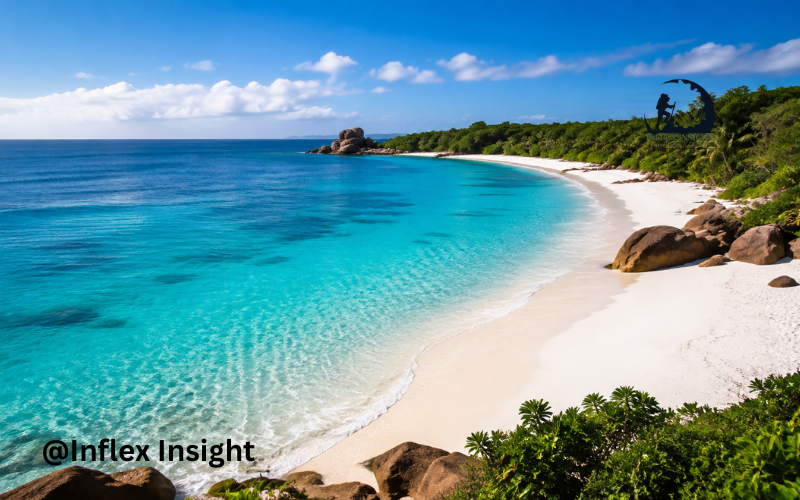
The beautiful beaches in the world are not all alike. Some have powder-soft white sand and calm turquoise water, while others are famous for black volcanic shores, pink-tinted sand, towering cliffs, or unusual rock formations.
A beach can feel truly special because of its scenery, water quality, natural surroundings, peaceful atmosphere, or wildlife. Accessibility also matters. Some beaches are easy to reach and have family-friendly facilities, while others require a boat journey, a long hike, or advance booking.
How These Beautiful Beaches Were Selected
These beaches were selected for their water color and clarity, shoreline appearance, surrounding landscapes, and memorable natural features. The list includes famous tropical destinations as well as wild coastlines that offer a completely different kind of beauty.
Visitor experience, conservation, safety, and accessibility were also considered. However, beach conditions can change because of weather, tides, erosion, environmental protection programs, and local access rules. Travelers should therefore confirm current conditions before making firm plans.
Grace Bay Beach, Turks and Caicos
Located on Providenciales, Grace Bay Beach is known for clear turquoise water, pale sand, and a wide shoreline. The sea is often gentle, making it suitable for swimming, paddleboarding, and relaxed walks.
The drier months, generally from December to April, are especially popular. Its combination of comfortable resorts, clear water, and calm surroundings has helped Grace Bay earn worldwide attention.
Anse Source d’Argent, Seychelles
Anse Source d’Argent on La Digue is instantly recognizable because of its enormous granite rocks. Shallow blue water, pale sand, and tropical plants create a setting that looks almost unreal.
The shallow lagoon is inviting, although water depth varies with the tide. Visiting earlier in the morning can provide softer light, cooler conditions, and a quieter experience.
Whitehaven Beach, Australia
Found in the Whitsunday Islands, Whitehaven Beach is famous for its bright silica sand and blue-green water. At Hill Inlet, tides create remarkable swirling patterns where the sand and sea meet.
Most travelers arrive by boat, seaplane, or helicopter. Visitors should use marked paths, avoid disturbing wildlife, and follow local conservation guidance within the protected Great Barrier Reef region.
Navagio Beach, Greece
Navagio Beach, also called Shipwreck Beach, sits beneath high limestone cliffs on Zakynthos. The rusting Panagiotis shipwreck, white shoreline, and deep blue water have made it one of Greece’s most photographed locations.
Access is highly restricted because of rockfall and landslide risks. In 2026, Greek authorities extended restrictions through October 31, meaning visitors should not expect to land or swim in the bay. The designated cliff-top viewpoint remains the safer way to see it, subject to local controls.
Baía do Sancho, Brazil
Situated on Fernando de Noronha, Baía do Sancho is surrounded by green cliffs and clear Atlantic water. Dolphins, fish, seabirds, and other wildlife add to its natural appeal.
Reaching the shore may involve steep stairs and narrow cliff passages, so it may not suit every visitor. National park admission and environmental rules apply, and travelers should check the official Fernando de Noronha park information before arriving.
Matira Beach, Bora Bora
Matira Beach is one of Bora Bora’s best-known public beaches. Its calm lagoon, soft sand, and colorful sunsets create an ideal setting for couples and travelers seeking a quiet escape.
The water is often shallow and comfortable for swimming. Snorkeling conditions depend on tides and visibility, while evenings offer peaceful views across the lagoon.
Pink Sands Beach, The Bahamas
Located on Harbour Island, Pink Sands Beach is known for its delicate pink-tinted shoreline. The unusual color comes partly from tiny marine organisms mixed with pale sand.
The color often appears strongest in soft morning or late-afternoon light. The broad shore is excellent for walking and photography, though swimming conditions should always be checked locally.
Reynisfjara Beach, Iceland
Reynisfjara Beach offers a dramatic contrast to tropical coastlines. Its black volcanic sand, basalt columns, powerful waves, and offshore sea stacks reflect the wild character of southern Iceland.
The ocean here can be extremely dangerous. Sudden sneaker waves may travel much farther onto the shore than expected. Visitors must obey warning signs, watch the water continuously, and remain well away from the surf.
Maya Bay, Thailand
Surrounded by steep limestone cliffs on Phi Phi Leh, Maya Bay has emerald water and a curved pale shoreline. Visitor controls have been introduced to help its coral, plants, and marine animals recover from heavy tourism.
Swimming is restricted, and seasonal closures are used for environmental recovery. For 2026, the announced conservation closure runs from August 1 through September 30. Rules can change, so confirm access with Thailand’s national park authorities or a licensed operator before booking.
Tulum Beach, Mexico
Tulum Beach combines Caribbean scenery with views of ancient Maya ruins. Travelers can spend the morning exploring the archaeological site and later enjoy the nearby coast.
The dry season generally brings pleasant conditions, but it is also busier. Sargassum seaweed may collect along the shore at certain times, especially during warmer months. Conditions vary daily, so recent local reports are helpful.
Seven Mile Beach, Cayman Islands
Despite its name, Seven Mile Beach is slightly shorter than seven miles. It remains one of Grand Cayman’s most inviting coastal areas, with clear water, a long sandy shore, and easy access to restaurants and accommodations.
Some sections are lively, while others feel quieter. Swimming, snorkeling, family outings, and sunset walks are among the most popular experiences.
Nungwi Beach, Zanzibar
At Zanzibar’s northern tip, Nungwi Beach offers clear Indian Ocean water, traditional boats, waterfront dining, and memorable sunsets. The northern location means tidal changes are often less limiting than on some other parts of the island.
Travelers should dress respectfully away from beach and resort areas. Choosing locally owned services can also help support the surrounding community.
Lanikai Beach, Hawaii
Lanikai Beach on Oahu has fine sand, bright water, and attractive views of the Mokulua Islands. Sunrise is particularly beautiful, while calm days can be suitable for swimming and kayaking.
The beach sits beside a residential neighborhood and has limited facilities. Visitors should park legally, keep noise low, avoid blocking driveways, and carry out everything they bring.
Elafonissi Beach, Greece
Located in Crete, Elafonissi Beach is known for shallow lagoon water and sand that can show gentle pink tones. Its protected, relatively shallow setting makes certain areas appealing to families.
Summer crowds can be heavy, so arriving early or traveling outside the busiest weeks may improve the visit. The sand, plants, shells, and other natural materials should remain untouched.
Cala Goloritzé, Italy
Cala Goloritzé lies beneath limestone cliffs on Sardinia’s Baunei Coast. Its blue water, rocky shore, and tall natural pinnacle create a wonderfully wild setting.
Visitors usually reach it by hiking, while boats must observe rules that protect the shore. Reservations and an entrance charge may apply. The official Baunei Coast guide explains the booking system and current access information.
Playa Manuel Antonio, Costa Rica
At Playa Manuel Antonio, tropical forest meets a bright Pacific shoreline. Monkeys and other animals may appear nearby, but visitors should never feed, touch, or approach them.
The beach lies inside Manuel Antonio National Park, where tickets, opening schedules, and visitor rules apply. A visit during the drier part of the year may offer more sunshine, although the green season brings rich forest scenery.
Zlatni Rat, Croatia
Zlatni Rat extends into the Adriatic Sea from the island of Brač. Its recognizable shape changes slightly with winds, waves, and currents. The shore consists mainly of smooth pebbles rather than fine sand.
Swimming and water sports are popular, but windy periods can create more challenging conditions. Early morning generally offers a calmer atmosphere during summer.
Radhanagar Beach, India
Found on Swaraj Dweep in the Andaman and Nicobar Islands, Radhanagar Beach is backed by thick forest and known for broad sunset views. The peaceful landscape makes it one of India’s most admired beaches.
Travel requires advance planning because island transport and entry requirements can change. Visitors should swim only in approved areas and follow lifeguard instructions.
Diani Beach, Kenya
Diani Beach stretches along Kenya’s Indian Ocean coast with white sand, warm water, and nearby coral reefs. Depending on the season and conditions, travelers can enjoy snorkeling, boat trips, wildlife excursions, and cultural experiences.
Tides can expose reef areas and change swimming depth. Respectful clothing and behavior are important when visiting nearby towns and communities.
Horseshoe Bay Beach, Bermuda
Horseshoe Bay Beach features a curved shoreline, clear Atlantic water, and pale sand with a subtle pink tone. Small nearby coves provide additional places to explore.
The main section can become crowded when cruise ships are in port. Early mornings, late afternoons, and quieter nearby coves may offer a more relaxed experience.
Trunk Bay, U.S. Virgin Islands
Located within Virgin Islands National Park on St. John, Trunk Bay combines clear Caribbean water with green hills and a white-sand shoreline. An underwater trail makes snorkeling especially popular.
Weather, currents, and visibility can affect the experience. Visitors should avoid standing on coral, use reef-conscious habits, and review current park information before traveling.
Kaputaş Beach, Türkiye
Kaputaş Beach sits below steep cliffs between Kaş and Kalkan. A staircase leads from the coastal road to a small shore where turquoise water contrasts beautifully with pale rocks.
Space and parking are limited, especially in summer. Arriving early can make access easier. Waves can become strong, so visitors should assess conditions before swimming.
Praia da Marinha, Portugal
The Algarve’s Praia da Marinha is surrounded by golden cliffs, sea arches, and clear Atlantic water. Cliff-top paths provide impressive views, while boat tours reveal caves and rock formations from the sea.
The Atlantic can be cold and powerful. Keep away from cliff edges, respect warning signs, and avoid sitting directly beneath unstable rock faces.
Shoal Bay, Anguilla
Shoal Bay has a broad white-sand shoreline and striking blue water. Its relaxed atmosphere, beachfront dining, and snorkeling opportunities make it suitable for both couples and families.
The drier winter and spring months are popular for calm weather. Hurricane season brings greater uncertainty, so flexible travel arrangements and weather checks are sensible.
Siesta Beach, Florida
Located near Sarasota, Siesta Beach is famous for soft quartz sand that remains relatively cool underfoot. Its wide shore, lifeguards, picnic areas, and other facilities make it convenient for families.
Winter and spring often bring pleasant temperatures, while summer is hotter and stormier. Parking can fill early during weekends, holidays, and peak travel periods.
Beautiful Beaches by Travel Style
The best choice depends on the experience a traveler wants. Grace Bay, Matira Beach, and Seven Mile Beach are strong options for calm water and relaxed swimming. Trunk Bay, Baía do Sancho, and Diani Beach appeal to people interested in marine life and snorkeling.
Couples may enjoy Bora Bora, Seychelles, or Anguilla, while families may prefer Siesta Beach, Seven Mile Beach, or the shallow areas of Elafonissi. For dramatic photography, Reynisfjara, Navagio, Praia da Marinha, and Whitehaven Beach offer especially distinctive scenery.
The Best Time to Visit the World’s Most Beautiful Beaches
There is no single perfect month for visiting all the beautiful beaches in the world. The Caribbean is often popular during the drier months from December to April, while Mediterranean beaches are warmest from late spring through early autumn.
Tropical destinations may experience rainy seasons, cyclones, hurricanes, strong currents, or seaweed at different times. Northern beaches can also change quickly with tides and storms. Traveling during the shoulder season may provide lower prices and fewer crowds, but weather can be less predictable.
Planning a Responsible Beach Trip
Responsible travel helps protect coastlines for local communities, wildlife, and future visitors. Take reusable items, remove all waste, and avoid collecting sand, coral, rocks, plants, or shells. Never chase animals or stand on living coral.
Use marked trails and respect closures, visitor limits, and protected zones. When possible, choose licensed guides and locally owned restaurants, accommodations, and tour services. Small decisions can reduce pressure on fragile coastal environments.
Practical Tips Before Visiting an International Beach
Check passport and visa requirements, transportation options, admission systems, local holidays, and operating schedules before departure. Do not assume a famous beach will always be open or safe to enter.
Pack sun protection, suitable footwear, drinking water, basic medicine, and clothing that respects local customs. Review weather forecasts, tides, currents, and official safety warnings. Travelers with mobility or medical needs should also research stairs, trails, facilities, shade, and emergency access in advance.
Conclusion
The most beautiful beaches in the world range from peaceful tropical lagoons to powerful black-sand coastlines. Each destination offers something different, whether it is clear water, colorful sand, dramatic cliffs, wildlife, cultural history, or a quiet place to watch the sunset.
The right beach depends on personal interests, budget, season, accessibility, and preferred activities. Careful planning and responsible behavior can make the experience safer and more meaningful while helping preserve these remarkable places.
FAQs
1. Which is considered the most beautiful beach in the world?
There is no official answer because beauty is personal. Grace Bay, Baía do Sancho, Whitehaven Beach, and Anse Source d’Argent frequently attract international attention because of their water, sand, and scenery.
2. Which beautiful beaches have the clearest water?
Grace Bay, Matira Beach, Seven Mile Beach, Trunk Bay, and Shoal Bay are known for exceptionally clear water. Visibility still depends on recent weather, tides, waves, and seasonal conditions.
3. What is the best season for an international beach vacation?
The best season depends on the destination. The Caribbean is often driest from December to April, while southern European beaches are warmest from May to September. Always check regional rainy, hurricane, and monsoon seasons.
4. How can travelers avoid crowds at famous beaches?
Visit early in the morning, travel during a shoulder season, and avoid weekends or major holidays. Where reservations are required, book ahead and choose the earliest available entry time.