
For many people, a short holiday means choosing one destination, booking accommodation and trying to see as much as possible within a limited period. But longer journeys offer a completely different experience. Instead of rushing between attractions, travelers can slow down, change their plans and spend more time getting to know the places they visit.
Spain is particularly well suited to this type of travel. Its combination of Mediterranean coastline, historic cities, mountain landscapes and smaller towns makes it possible to create very different routes without having to follow a traditional tourist itinerary.
The freedom to create your own route
When traveling by plane and staying in hotels, the itinerary is often determined by reservations. Changing the route can mean cancelling accommodation, finding another hotel and reorganizing transportation.
A motorhome changes that dynamic. The vehicle becomes both transportation and accommodation, which makes it easier to adapt the journey as it develops.
Perhaps a particular coastal town is more interesting than expected and deserves an extra two days. Maybe the weather makes it more attractive to head inland. Or a traveler simply discovers a place that was not included in the original plan.
Why longer trips can feel less stressful
It may seem that a longer journey would automatically require more planning. In reality, having more time can make travel less stressful.
When a traveler has only five or seven days, every part of the route needs to fit a strict schedule. Long driving days become more likely, and there is less room for unexpected changes.
With several weeks available, the pace can be completely different.
Instead of trying to visit three cities in two days, travelers can choose one area and explore it gradually. A morning can be spent at the beach, an afternoon in a historic center and the following day somewhere completely different.
This slower rhythm is one of the reasons extended road trips have become attractive to people looking for more meaningful travel experiences.
Planning an extended motorhome journey
Before leaving, it is useful to think about the approximate route, the regions you want to visit, the expected driving distances and the places where you can stop overnight. It is also important to consider how much living space and equipment you need for a trip lasting several weeks.
For travelers considering this type of journey, long-term motorhome rental in Spain can be an alternative to purchasing a vehicle specifically for one extended trip.
The right vehicle should match the number of travelers, the planned duration and the type of route. A couple traveling for several weeks may have very different requirements from a family carrying sports equipment and additional luggage.
Choosing destinations beyond the major cities
Spain’s most famous cities are obvious starting points, but an extended road trip makes it possible to explore much more.
A route through the country can combine well-known destinations with smaller towns, coastal villages and natural areas. This creates a more varied experience and reduces dependence on the busiest tourist locations.
The Mediterranean coast is one example. Travelers can move between seaside towns while also visiting inland areas, local markets, historical sites and natural landscapes.
The advantage of having your own accommodation is that you do not necessarily have to return to the same city every evening. The route can develop according to what you discover along the way.
What to consider before choosing a long-term trip
Longer motorhome travel is not simply a longer version of a weekend getaway. Living in a relatively compact space for several weeks requires a little preparation.
It is worth considering:
- how many people will travel together;
- how much luggage is really necessary;
- what type of vehicle is suitable;
- how often you want to change location;
- where you can stay overnight;
- what equipment will be useful;
- how much time you want to spend driving each day.
It is also important to leave some space in the itinerary. A journey with every hour planned can lose the spontaneity that makes road travel attractive in the first place.
Travel becomes part of the destination
Traditional holidays often treat transportation as something that happens between destinations.
A road trip is different because the journey itself becomes part of the experience.
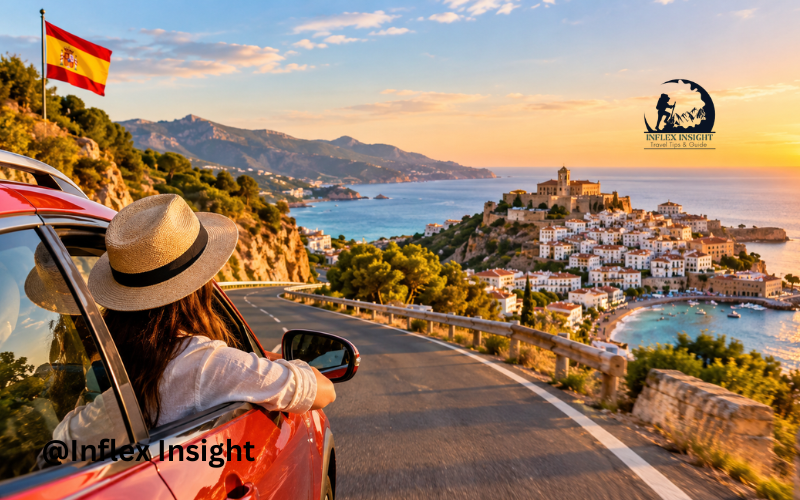
A mountain road, a sunset over the Mediterranean, a small village discovered while looking for a place to stop or a quiet breakfast outside the main tourist areas can become some of the most memorable moments of the trip.
This is particularly true when travelers have enough time to avoid constantly watching the clock.
For those interested in understanding the philosophy and experience behind this type of travel, the story behind a motorhome travel company can also provide useful context about how such journeys are approached.
A different definition of adventure
Adventure travel does not necessarily mean extreme activities or remote expeditions.
Sometimes adventure is simply having enough freedom to change direction.
A long road trip through Spain can provide that kind of experience. It combines movement, discovery and independence while allowing travelers to decide how much time they want to spend in each place.
The result is a journey that feels less like following a checklist and more like creating a personal story.
That may be the biggest appeal of long-term road travel. Instead of asking how many places can be visited in a limited amount of time, travelers can ask a different question: what would happen if we simply gave ourselves more time to explore?
For many people, that change in perspective is enough to turn an ordinary holiday into a genuine adventure.