
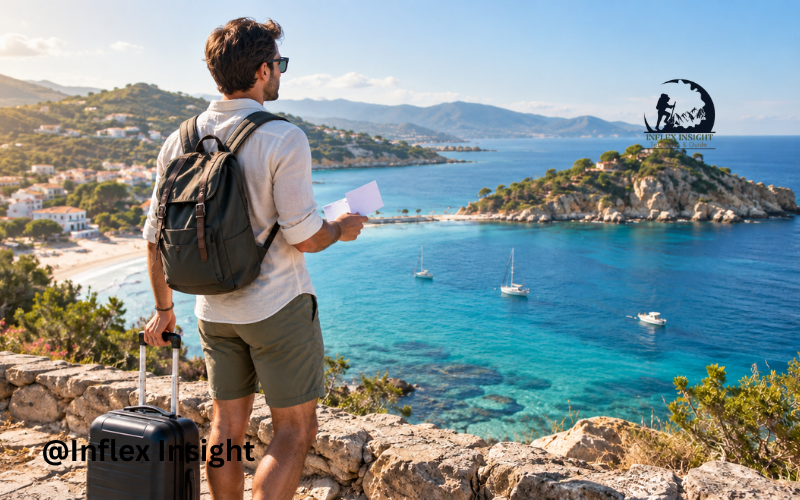
Solo vacation packages combine several parts of a trip into one booking for a person traveling alone. Depending on the package, the price may cover transportation, accommodation, meals, tours, or other activities. Some trips provide a full group itinerary, while others give travelers plenty of time to explore independently.
Many people choose these packages because they remove some of the stress from planning a solo trip. Instead of arranging every hotel, transfer, and activity separately, the traveler can book several services together. Organized tours can also offer social opportunities without requiring someone to bring a friend or partner.
Unlike standard holiday deals, solo vacation packages may include private-room pricing, activities designed for individual travelers, or a group made mostly of solo guests. However, not every deal labeled “solo-friendly” is created specifically for solo travelers.
What Solo Vacation Packages Usually Include
The contents of solo vacation packages vary widely. A simple deal may include only flights and accommodation, while a more complete package could cover airport transfers, meals, guided tours, entrance fees, and local transportation.
Guided packages often provide a tour leader and a planned daily schedule. Travelers may visit major attractions together, take part in cultural experiences, or enjoy group meals. Independent packages usually include fewer organized activities, giving the traveler more freedom.
Optional excursions, drinks, tips, baggage fees, visa costs, and local taxes may cost extra. Even when a deal is described as all-inclusive, it is important to read the detailed list of inclusions and exclusions. Never assume that a service is covered simply because it appears in an itinerary.
Different Types of Solo Vacation Packages
Independent packages are suitable for people who want convenience without following a group schedule. These deals may combine transportation and a private hotel room while leaving each day open for personal exploration.
Guided group tours provide more structure. They can be helpful for first-time solo travelers or people who enjoy meeting others during a trip. Some tours accept couples and friends as well as solo guests, while others are designed only for people traveling alone.
All-inclusive resort packages normally combine accommodation, meals, drinks, and selected activities. Cruises offer a similar level of convenience but may charge extra for certain restaurants, excursions, or onboard services.
Other choices include wellness retreats, wildlife tours, walking holidays, food-focused trips, and adventure packages. Some providers also organize vacations around particular age ranges, hobbies, or activity levels.
The Real Cost of Traveling Solo
Package prices are normally based on the services included, the destination, the season, and the standard of accommodation. A low advertised price may not represent the final amount a solo traveler must pay.
One important cost is the single supplement. Hotels and cruise companies often price rooms based on two people sharing. When only one person occupies the room, the provider may add a charge to recover part of the missing second payment.
Some companies offer shared-room programs that match travelers of the same gender or according to stated preferences. This can reduce the price, but it also means sharing personal space with someone new. Travelers should understand how matching works and what happens if no roommate is available.
Before booking, compare the total package price with the cost of arranging the same trip separately. Include baggage, transfers, meals, taxes, activities, and booking fees in that comparison.
Choosing a Destination That Suits Your Travel Style
The best destination is not simply the most popular one. It should match your interests, confidence level, physical needs, budget, and preferred pace.
Beach destinations and resorts can work well for relaxation, while historic cities may appeal to travelers interested in museums, architecture, and local food. Nature tours may involve wildlife viewing or scenic walks, while adventure trips can include cycling, hiking, or water activities. Wellness retreats generally focus on rest, movement, and healthy routines.
Also consider the local climate, language, public transportation, accessibility, and travel time. A destination that looks attractive online may be less enjoyable if the schedule, weather, or physical demands do not suit you. Check current entry rules and official travel advice before making a final decision.
Benefits of Booking a Solo Vacation Package
Convenience is one of the main benefits. A package can reduce the number of separate bookings a traveler must manage and provide a clear plan before departure.
Organized trips may also offer local assistance. A guide, host, or company representative can help with transfers, schedules, and unexpected changes. This support can make an unfamiliar place feel easier to navigate.
Group-based packages create natural opportunities to meet people through shared meals and activities. At the same time, a well-designed solo trip should allow personal space. Travelers can enjoy company when they want it without depending on a companion throughout the vacation.
Possible Drawbacks to Consider
A package may provide less freedom than a fully independent trip. Fixed departure times, planned meals, and group activities can feel limiting to someone who prefers making decisions each day.
Single-room charges can also make solo vacation packages more expensive than expected. In addition, the group may be larger, younger, older, quieter, or more active than a traveler imagined.
Cancellation and change rules can be strict, especially when several suppliers are involved. Some packages also include activities that a traveler does not want but must still pay for. These drawbacks do not make packages a poor choice, but they show why the details matter.
Safety Considerations for Solo Travelers
Research both the destination and the company arranging the trip. Look for a clear business address, reliable contact information, written booking terms, and recent reviews from different sources. Be cautious if a seller demands an unusual payment method or creates pressure to pay immediately.
Check the location of the accommodation rather than looking only at its photographs. Consider how you will return after dark, whether transfers are included, and whom you can contact if plans change.
Share your itinerary and accommodation details with someone you trust. Keep copies of important documents separate from the originals, protect payment information, and save local emergency contacts.
Official safety advice can change, so consult your own government’s destination guidance shortly before departure. U.S. travelers, for example, can review current destination risk information through the U.S. Department of State travel advisories.
How to Compare Solo Vacation Packages
Start with the complete itinerary. Look at how much time is scheduled, how much is free, and whether the pace suits you. A long list of attractions may sound valuable but could result in rushed days and little time to enjoy each place.
Check the exact hotel name or expected accommodation standard. Location can matter as much as star rating, particularly when you plan to explore independently.
Compare the final price, not only the headline offer. Review taxes, baggage charges, room fees, transfers, meals, tips, and optional activities. Read recent reviews for patterns rather than relying on one very positive or negative comment.
Finally, examine the cancellation, refund, and change terms. If flights are included, find out who is responsible for helping you when a schedule changes.
Finding Packages Without a Single Supplement
A “no single supplement” offer generally means the traveler is not charged the usual extra amount for occupying a room alone. It does not always mean the package costs the same as half of a couple’s booking.
These deals are often limited to certain rooms, dates, or departure groups. They may be easier to find outside busy travel periods, when providers have more availability.
Roommate-matching programs offer another way to avoid the fee, but conditions differ. Ask whether a private room is provided at no extra cost if no match is found. Also confirm whether the advertised price includes every required charge.
Booking at the Right Time
Popular departures, small-group tours, and rooms without a single supplement may sell out early. Booking ahead can provide more choices, especially when travel dates are fixed.
Last-minute offers sometimes cost less, but they provide less time to arrange documents, transportation, and time away from work. Flights may also be more expensive by that point.
Traveling outside the busiest season can reduce costs and crowds. Flexible travelers should compare several dates rather than assuming that one early-booking or last-minute deal offers the best value.
Matching a Package to Your Budget
Set a total budget before comparing trips. It should cover the package price as well as meals, local transportation, tips, optional tours, personal shopping, and emergency expenses.
Budget packages usually provide simpler accommodation and fewer included services. Mid-range deals may offer better locations, smaller groups, or more activities. Luxury packages can provide higher-end rooms and personal support, but a larger price does not automatically mean a better experience.
Keep part of your budget available for unexpected costs. This prevents a delayed transfer, additional meal, or changed plan from creating unnecessary stress.
Questions to Ask Before You Book
Ask whether the trip is specifically designed for solo travelers or simply available to them. Find out how many guests usually join, what age range is common, and how much independent time the itinerary allows.
Confirm whether flights, airport transfers, baggage, meals, and entrance fees are included. Ask about room type, hotel location, fitness requirements, clothing expectations, and accessibility.
You should also understand what happens if you cancel, the provider changes the itinerary, or the trip does not attract enough guests. If travel insurance is required, check the minimum coverage and read the policy exclusions before buying it.
Preparing for Your Solo Package Vacation
Check your passport’s validity and the destination’s entry requirements well before departure. Visa, health, and document rules depend on nationality and destination and may change. Use official government or embassy sources rather than relying entirely on old blog posts.
Review destination-specific health guidance as well. The CDC Travelers’ Health portal provides current health information for international destinations, although travelers outside the United States may also wish to consult their national health authority.
Save digital and paper copies of your booking details, emergency contacts, and travel documents. Pack for the local climate and planned activities, but avoid carrying items you will not use.
It can also help to prepare emotionally. A solo group trip may include both social moments and quiet periods, and neither means the vacation is going badly.
Making the Most of the Experience
Join group activities that genuinely interest you, but do not feel pressured to attend everything. Time alone can be an important and enjoyable part of a solo vacation.
Introduce yourself to other travelers early, particularly during transfers or shared meals. Small conversations often make group travel feel more comfortable. At the same time, respect other people’s need for privacy.
Leave some room for independent exploration when the schedule allows it. Follow local customs, listen to your guide, and remain flexible when weather or transport changes the plan. A successful trip does not have to follow every detail perfectly.
Conclusion
Solo vacation packages can make traveling alone simpler, more social, and less stressful. However, the right package depends on more than its destination or advertised price.
Compare the full cost, room arrangements, daily schedule, safety support, and booking conditions before paying. The strongest choice is a package that fits your budget, travel style, comfort level, and desire for either independence or group interaction. Careful planning can turn a convenient booking into a rewarding trip that truly feels like your own.
FAQs
1. Are solo vacation packages only for single people?
No. “Solo” describes how a person is traveling, not their relationship status. Married people, people with partners, and anyone whose usual companions are unavailable can book a solo trip.
2. Are solo vacation packages more expensive?
They can be, mainly because accommodation is often priced for two people sharing a room. A single supplement may increase the cost, although some providers offer private rooms without this fee or provide roommate matching.
3. Can I have free time on an organized solo trip?
Usually, but the amount varies. Some packages have a full daily schedule, while others include free afternoons or entire independent days. Review the itinerary carefully to see whether the balance suits you.
4. How can I tell if a solo travel package is legitimate?
Check the provider’s contact details, written terms, payment process, and independent customer reviews. Confirm reservations directly when possible, and avoid sellers that demand rushed payments or refuse to explain cancellation rules.