
Introduction
When people talk about tourist areas in Germany, they are usually referring to a wide mix of places that offer history, culture, nature, and modern city life. Germany is not just one type of destination. It is a country where medieval towns exist next to modern cities, quiet countryside sits close to busy cultural centers, and natural landscapes are just as important as museums and landmarks.
For first-time visitors, tourist areas in Germany can include famous cities like Berlin and Munich, scenic regions such as the Bavarian Alps, historic routes filled with castles, and coastal areas along the North and Baltic Seas. Each region has its own character, traditions, and pace of life. This variety makes Germany appealing to many types of travelers, from history lovers and nature enthusiasts to families and solo explorers.
Planning a trip becomes easier when you understand how Germany’s tourist areas are grouped. Some are known for major attractions and large crowds, while others are quieter and focus on local culture or outdoor experiences. This guide explains the main types of tourist areas in Germany and helps you see how they fit different travel styles.
Germany’s Most Visited Tourist Cities
Germany’s most visited tourist cities play a major role in shaping the country’s image as a travel destination. These cities attract millions of visitors every year because they combine historical importance with modern life, entertainment, and strong transport connections.
Berlin stands out as a city shaped by history and creativity. Visitors come to see landmarks related to World War II and the Cold War, as well as museums, art spaces, and modern neighborhoods. Munich offers a different feel, known for its traditional architecture, beer culture, and nearby alpine scenery. Cities like Hamburg, Frankfurt, and Cologne also rank among the most popular tourist areas in Germany due to their cultural scenes, river views, and international influence.
These cities act as gateways for many travelers. They are often the first stop because of major airports and train hubs. From there, visitors can explore surrounding regions. The popularity of these urban tourist areas helps support museums, festivals, restaurants, and public transport, making travel easier and more enjoyable.
Historic Tourist Areas Rich in Culture and Heritage
One of the strongest reasons people explore tourist areas in Germany is the country’s deep and visible history. Many regions are known for well-preserved old towns, castles, churches, and historic routes that tell stories from different centuries.
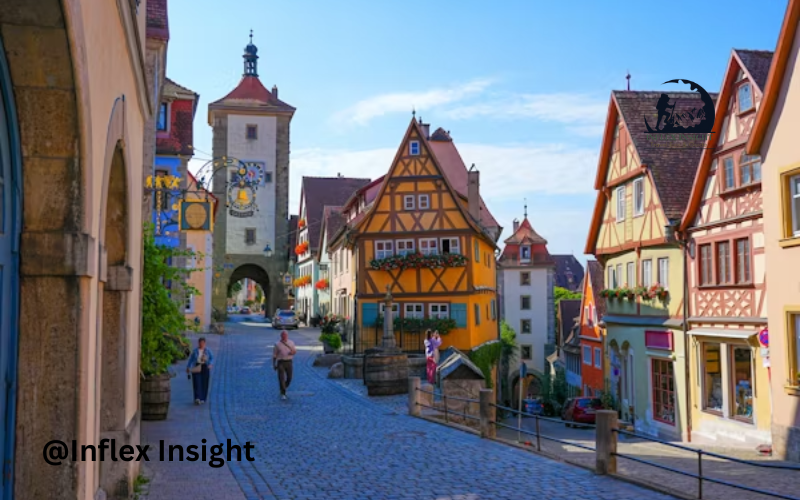
Areas such as Bavaria, Saxony, and parts of Rhineland-Palatinate are filled with medieval towns and historic landmarks. The Romantic Road, for example, connects several towns that seem frozen in time, with stone walls, towers, and traditional buildings. UNESCO-recognized sites add global recognition to many of these places, drawing visitors who want meaningful cultural experiences.
History plays a central role in Germany’s tourism landscape because it is not hidden away. It is part of everyday life. Walking through historic tourist areas often means strolling past buildings that are hundreds of years old, visiting markets in old squares, and learning how local traditions developed. These regions appeal to travelers who enjoy slow exploration and cultural depth rather than fast-paced sightseeing.
Scenic Tourist Areas and Natural Landscapes
Nature is a major part of many tourist areas in Germany, and it often surprises visitors who expect only cities and history. The country offers a wide range of landscapes, including mountains, forests, lakes, rivers, and open countryside.
The Bavarian Alps attract travelers who enjoy hiking, skiing, and fresh mountain air. The Black Forest is known for dense woodland, small villages, and scenic trails. Lake regions such as Lake Constance offer peaceful views and outdoor activities like cycling and boating. National parks and protected areas across the country make it easy to enjoy nature without traveling far from towns.
Nature-focused travelers choose these tourist areas in Germany because they are well organized and accessible. Trails are clearly marked, public transport often reaches rural areas, and accommodations range from simple guesthouses to comfortable hotels. These regions are ideal for visitors who want to relax, stay active, and connect with the natural environment.
Tourist Areas in Germany Known for Art, Music, and Festivals
Culture in Germany goes beyond museums and historic buildings. Many tourist areas in Germany are known for strong traditions in art, music, and local festivals that bring communities together and welcome visitors.
Cities like Leipzig and Dresden have long musical histories, while places such as Weimar are connected to literature and philosophy. Regional festivals, including seasonal markets and cultural celebrations, offer insight into local life. Music festivals, theater events, and art exhibitions take place throughout the year in both large cities and smaller towns.
Seasonal tourism plays an important role in these areas. Christmas markets in winter and open-air festivals in summer attract visitors looking for authentic experiences. These cultural tourist areas allow travelers to feel part of local traditions rather than just observing them, making trips more personal and memorable.
Coastal and Waterfront Tourist Areas
Germany’s coastline may not be as famous as its cities, but coastal and waterfront tourist areas offer a completely different travel experience. Located mainly in the north, these regions include seaside towns, islands, and port cities along the North Sea and Baltic Sea.
Places such as the island of Rügen or the beaches of Usedom are popular for relaxation and nature walks. Port cities like Hamburg combine maritime history with modern attractions, while smaller coastal towns focus on calm atmospheres and traditional seaside life.
Coastal tourism in Germany differs from inland destinations because it emphasizes slow travel, fresh air, and outdoor time. Visitors often come for beach walks, cycling routes, and simple pleasures rather than busy sightseeing schedules. These tourist areas in Germany are especially appealing during warmer months and offer a refreshing contrast to city travel.
Family-Friendly Tourist Areas Across Germany
Families often look for destinations that are safe, easy to navigate, and engaging for all ages. Many tourist areas in Germany meet these needs by offering interactive attractions, outdoor spaces, and child-friendly facilities.
Regions with theme parks, science centers, and open-air museums are popular among families. Zoos, nature parks, and lakeside resorts provide opportunities for learning and play at the same time. Public transport systems are generally reliable and easy to use, which helps families move around without stress.
What makes these tourist areas appealing is their balance. Adults can enjoy culture and scenery while children have space to explore and have fun. Germany’s focus on organization and safety adds to its reputation as a family-friendly travel destination.
Lesser-Known Tourist Areas Worth Exploring
Beyond the well-known destinations, there are many lesser-known tourist areas in Germany that offer unique experiences without large crowds. These regions are often overlooked but are gaining attention from travelers seeking something different.
Smaller towns in eastern Germany, rural areas in central regions, and quiet wine-growing villages along rivers provide a more local feel. These places may not appear in every travel guide, but they offer authentic food, friendly communities, and slower travel experiences.
Interest in these tourist areas is growing because travelers are increasingly looking for meaningful connections rather than famous sights alone. Exploring lesser-known regions allows visitors to see daily life in Germany and often leads to more personal and memorable trips.
How to Choose the Right Tourist Area in Germany for Your Trip?s
Choosing the right tourist areas in Germany depends on several simple factors. Travel style plays a major role. Some visitors prefer busy cities with many attractions, while others enjoy calm landscapes or cultural villages. The time of year also matters, as some regions are best in summer while others shine during winter festivals.
Budget and interests help narrow choices as well. Urban areas may offer more options but can be more expensive, while rural regions often provide good value. Travelers interested in history, nature, food, or festivals can easily find regions that match their preferences.
Matching destinations to expectations helps create a smoother travel experience. Germany’s strength lies in its variety, allowing visitors to plan trips that feel personal rather than rushed or overwhelming.
Conclusion
The wide range of tourist areas in Germany is what makes the country such a rewarding destination. From world-famous cities and historic regions to scenic landscapes and quiet coastal towns, Germany offers something for nearly every traveler. Each area reflects a different part of the country’s identity, shaped by history, culture, and geography.
Understanding these differences helps travelers plan trips that suit their interests and travel style. Whether exploring major cities, relaxing in nature, or discovering lesser-known regions, visitors can enjoy a well-organized and welcoming travel experience. By choosing tourist areas thoughtfully, travelers can create meaningful journeys that reflect the true diversity of Germany.
FAQs
1. What are the most popular tourist areas in Germany?
The most popular tourist areas in Germany include Berlin, Munich, the Bavarian Alps, the Black Forest, and the Romantic Road, known for history, culture, and scenic beauty.
2. Is Germany good for first-time travelers?
Yes, Germany is very suitable for first-time travelers due to its safe environment, excellent transport system, clear signage, and wide range of tourist areas for different interests.
3. Which tourist areas in Germany are best for nature lovers?
Nature lovers often choose the Bavarian Alps, Black Forest, Lake Constance, and national parks that offer hiking, lakes, forests, and peaceful countryside views.
4. Are there family-friendly tourist areas in Germany?
Yes, many tourist areas in Germany are family-friendly, offering theme parks, zoos, interactive museums, and outdoor activities suitable for children and adults.
5. When is the best time to visit tourist areas in Germany?
The best time depends on the area. Summer is ideal for cities and nature regions, while winter is popular for Christmas markets and alpine destinations.