

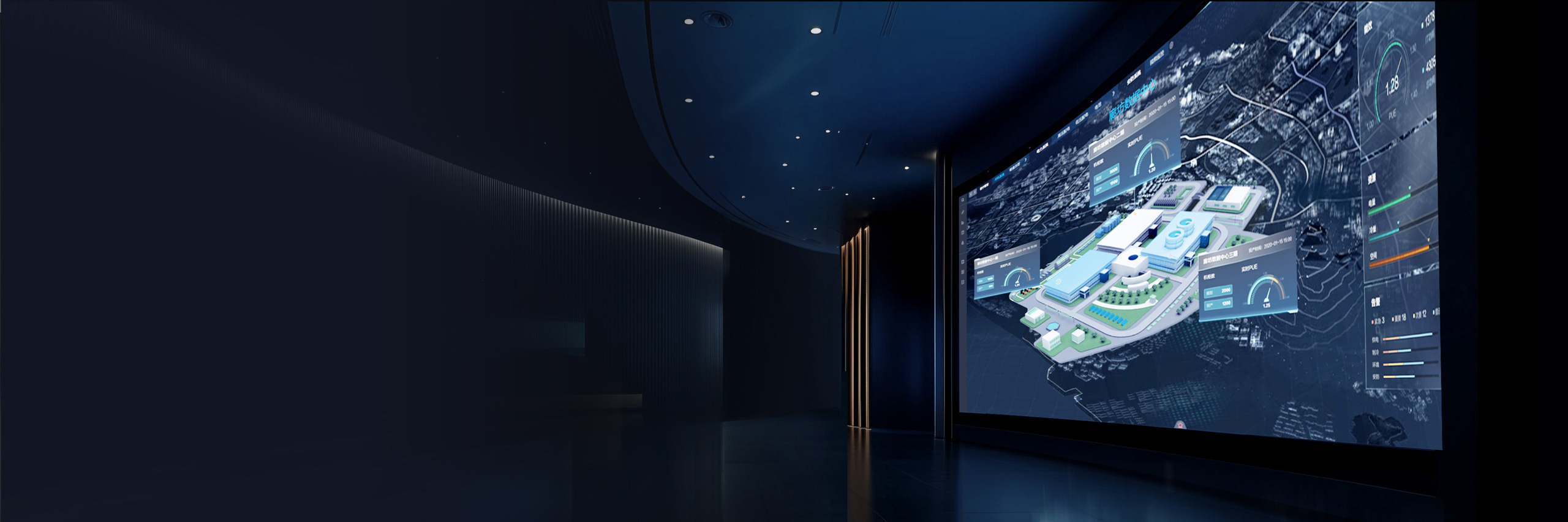
For an operations team coordinating a complex set of critical data-center assets, facility operators, IT planners, engineers and infrastructure owners need to identify what should be measured before the equipment is selected. That review should cover the location, demand and compliance assumptions, because the ultimate objective involves compute availability, power quality, heat removal and lifecycle efficiency. Large purchasing decisions often begin with a short list of components. Yet the durable result depends on how those components behave in their specific environment. A good plan links these practical questions to tests, documented responsibilities and realistic site conditions.
Capacity intelligence
A free rack space is not evidence of spare power or cooling; live capacity models need both. The owner can ask the designer to identify the measurement that would confirm this expectation after the system is commissioned.
Keep records aligned
Asset labels, network diagrams, settings and maintenance logs should identify the same equipment. Consistent records can shorten troubleshooting when several teams share responsibility.
Operator workflows
Dashboards should connect incidents to named roles, ticketing and recovery procedures. Before approving equipment, ask for a drawing or operating scenario that demonstrates the stated function under local conditions.
Check capacity under failure
An N+1 label says little unless the remaining modules can carry the actual critical load after a failure. Acceptance testing should cover the transition behavior, not only steady-state ratings.
For a useful solution reference, examine DCIM system alongside the project drawings and the documented operating requirements. A product page is a starting point for questions, not a substitute for site assessment.
Change records
Capacity changes, moves and infrastructure settings should be reflected in an auditable asset history. An independent operational check can show whether the plan reflects everyday use rather than an idealized demonstration.
Environmental trends
Historical temperature and humidity records can reveal recurring conditions missed by threshold alerts. Any related promise should be linked to a documented test method and to the operating conditions for which it applies.
Integrations
Open, well-governed interfaces help facility monitoring share relevant signals with IT service workflows. A clear design record helps distinguish a design limitation from a setting, installation or operating problem discovered later.
Teams can revisit DCIM system during commissioning, checking the proposed capabilities against measured behavior and the final configuration.
Asset relationships
Monitoring needs accurate links between racks, PDUs, cooling systems and the upstream electrical distribution chain. Any related promise should be linked to a documented test method and to the operating conditions for which it applies.
For a DCIM system, the decisive question is whether the specified functions can be supported by site evidence, safe procedures and an accountable operating model. Each requirement should be reviewed against the actual project, not assumed to apply everywhere.
Decisions worth documenting
A concise decision file can identify the adopted design, rejected alternatives, unresolved constraints and the tests needed before handover. This makes the project easier to review when its assumptions change.