
Introduction
Moorea Tahiti is often described as one of the most beautiful islands in the South Pacific, but its real value goes far beyond postcard images. This guide is written for travelers who want a clear, honest, and practical understanding of Moorea Tahiti—what it is, how it feels, and why it leaves such a lasting impression on visitors.
Understanding Where Moorea Tahiti Fits in French Polynesia
Moorea Tahiti is part of French Polynesia, a group of islands located in the central South Pacific. It sits just northwest of Tahiti, the largest and most well-known island in the region. From the capital city of Papeete on Tahiti, Moorea Tahiti is only a short ferry ride away, which makes it one of the most accessible islands in French Polynesia.
Many travelers confuse Moorea Tahiti with Tahiti itself because of their close distance and shared culture. However, the experience on Moorea is quite different. Tahiti is busy, urban, and acts as the main transportation and commercial hub. Moorea Tahiti, by contrast, feels quieter, greener, and more relaxed. It is less developed, with fewer crowds and a stronger connection to nature, which is why many visitors choose to stay there rather than on Tahiti.
What Makes Moorea Tahiti Visually and Naturally Unique
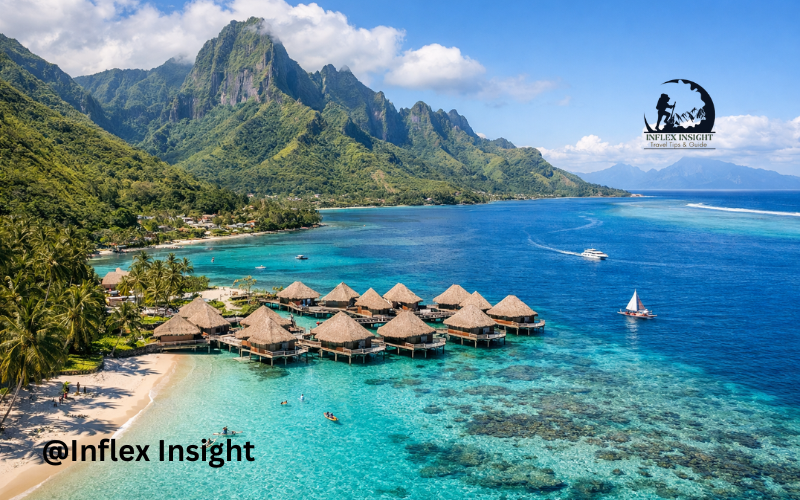
The landscape of Moorea Tahiti is shaped by ancient volcanic activity, and this dramatic origin is still visible today. Sharp green peaks rise suddenly from the coastline, creating a striking contrast with the calm blue lagoons that surround the island. Two deep bays cut into the island, offering sheltered waters and scenic viewpoints that are hard to find elsewhere in the region.
Beyond the mountains, Moorea Tahiti is known for its colorful lagoon system. Shallow waters near the shore shift between shades of turquoise, light blue, and deep navy, depending on depth and sunlight. Coral reefs form natural barriers that protect the island and support a wide range of marine life. Fish, rays, and sea turtles are commonly seen, even close to shore, making the island especially appealing to snorkelers and nature lovers.
Island Life and Local Culture in Moorea Tahiti
Life on Moorea Tahiti moves at a slower pace, shaped by the rhythms of nature and community. Many locals work in small family businesses, agriculture, fishing, or tourism. Daily life often revolves around the ocean, shared meals, and strong family connections. This sense of balance is something visitors often notice soon after arriving.
The main languages spoken are French and Tahitian, though English is widely understood in tourist areas. Cultural traditions remain an important part of everyday life, from music and dance to food and religious gatherings. Even with the presence of modern tourism, Moorea Tahiti has managed to preserve much of its Polynesian identity. Visitors are generally welcomed warmly, especially when they show respect for local customs and the environment.
Best Ways to Experience Moorea Tahiti as a Visitor
Moorea Tahiti offers a wide range of experiences without feeling overwhelming. Some travelers come purely to relax, spending their days by the lagoon or enjoying the view from their accommodation. Others are drawn to outdoor activities, such as swimming, snorkeling, or simply walking along quiet beaches.
For those who enjoy adventure, the island’s interior provides hiking opportunities with rewarding views over the bays and coastline. The clear waters make snorkeling easy even for beginners, while the island’s size allows visitors to explore without long travel times. Moorea Tahiti tends to suit couples looking for a romantic escape, families who want a safe and calm environment, and solo travelers who enjoy nature and cultural experiences over nightlife.
When to Visit Moorea Tahiti and What to Expect
Moorea Tahiti has a warm tropical climate throughout the year, but there are noticeable seasonal differences. The drier season generally runs from May to October, bringing slightly cooler temperatures and lower humidity. This period is popular with travelers, so accommodation prices may be higher and popular spots more active.
The wetter season, from November to April, brings warmer temperatures and occasional heavy rain. While some travelers avoid this time, it can still be a pleasant period to visit. Rain showers are often short, the landscape becomes even greener, and there are fewer crowds. Understanding these seasonal patterns helps visitors choose a time that matches their comfort level and travel goals.
Staying, Moving Around, and Practical Travel Tips for Moorea Tahiti
Accommodation on Moorea Tahiti ranges from luxury resorts to small guesthouses and family-run lodges. Many visitors choose places near the lagoon for easy water access, while others prefer hillside locations for panoramic views. The island offers options for different budgets, though prices are generally higher than in many other travel destinations due to its remote location.
Getting around Moorea Tahiti is relatively simple. Rental cars, scooters, and bicycles are common, and the island’s single main road circles the coastline. Public transportation exists but runs infrequently, so having your own transport provides more flexibility. In terms of safety, Moorea Tahiti is considered very safe, with low crime rates and a relaxed atmosphere. Visitors should expect a comfortable experience but should also be prepared for higher food and service costs compared to mainland destinations.
Common Misconceptions About Moorea Tahiti
One common misunderstanding is that Moorea Tahiti is just a quieter version of Tahiti with little to do. In reality, the island offers a rich mix of natural beauty, cultural depth, and outdoor activities. Another misconception is that Moorea Tahiti is only suitable for luxury travelers. While high-end resorts exist, there are also modest accommodations and local dining options that allow for more affordable stays.
Social media often presents Moorea Tahiti as a perfect, untouched paradise. While the island is undeniably beautiful, it is also a real place where people live and work. Understanding this balance helps visitors appreciate the island more deeply and approach their trip with realistic expectations.
Conclusion
Moorea Tahiti stands out as a destination that combines natural beauty, cultural authenticity, and a peaceful way of life. It offers a different perspective on island travel, one that focuses on connection rather than consumption. For travelers seeking a place that feels both welcoming and unforgettable, Moorea Tahiti continues to leave a lasting impression long after the journey ends.