
Introduction
Portugal is one of those countries that feels easy to love on a first visit. In a single trip, you can move from old-world city streets and riverfront neighborhoods to dramatic sea cliffs, vineyard valleys, medieval walls, and volcanic islands. This guide to the best places to visit in Portugal focuses on destinations that consistently deliver for first-time visitors while still leaving room for quieter, more “local-feeling” stops. Along the way, I’ll point out practical timing tips and a few recent travel notes that can affect your plans.
Lisbon — Portugal’s Timeless Capital with a Modern Edge
Lisbon is often the first stop for travelers planning the best places to visit in Portugal, and it’s easy to see why. The city has a strong sense of place: bright tiled facades, hilltop viewpoints, riverside walks, and neighborhoods where daily life still feels grounded and unhurried.
Lisbon rewards slow exploration. Alfama is famous for its steep lanes and classic Lisbon atmosphere, while Baixa and Chiado feel more central and walkable for shopping, cafés, and easy transport connections. Belém is worth setting aside time for, especially if you want a mix of monuments and riverside scenery. If you enjoy viewpoints, Lisbon’s miradouros are not just “nice photo spots”—they’re part of the city’s rhythm. Sunset is the classic moment, but late morning can be calmer and often clearer for photos.
To make Lisbon more enjoyable, try to plan your most uphill walks earlier in the day and leave room for breaks. The city’s charm comes with slopes, and it’s normal to sit down often, whether it’s for coffee, a pastry, or a quick pause at a viewpoint.
Porto and the Douro Valley — Riverside Charm and Wine Country
Porto is the kind of city that feels compact, character-filled, and easy to love within a day or two. Many travelers include it as a “must” when searching for the best places to visit in Portugal, and it fits beautifully into a first itinerary because it balances culture, river views, and food without feeling overwhelming.
Porto’s best moments often happen on foot. The Ribeira area along the water is the postcard scene, but the city’s real magic is the way its streets rise and fall, revealing tiled churches, narrow lanes, and viewpoints that look over the Douro River. If you’re curious about port wine, you’ll find tastings and cellar visits across the river in Vila Nova de Gaia, which is easy to reach by walking over one of the iconic bridges.
The Douro Valley is Porto’s natural extension and one of the most scenic day trips in the country. Even if you’re not a wine expert, the landscape alone is worth the journey—terraced vineyards, winding river bends, and small towns that feel far from the pace of the cities. Many visitors go by train for the views, while others choose a guided day tour if they want tastings without worrying about logistics. September is often highlighted as a strong time for Douro travel, thanks to warm weather and harvest-season energy.
Sintra and Other Fairytale Towns Worth the Journey
Sintra is regularly mentioned in any conversation about the best places to visit in Portugal, and it genuinely lives up to its reputation. Set in green hills not far from Lisbon, it feels like a different world: cooler air, forested paths, and palaces that look designed for daydreaming.
Sintra works best when you treat it as a full day and start early. The most famous sights can get crowded, especially in peak season, so arriving early can make the experience far more pleasant. Beyond the headline palaces, Sintra’s broader appeal is the feeling of escaping the city into nature without traveling far.
If you want a medieval atmosphere beyond Sintra, Portugal has several towns where history feels close and tangible. Óbidos is a favorite because its walls and narrow streets are so well preserved, and it’s also easy to pair with a longer day trip from Lisbon. Guimarães, often linked to Portugal’s early history, is another strong choice if you’re traveling in the north and want a slower, more traditional-feeling stop.
The Algarve — Cliffs, Caves, and Portugal’s Most Famous Beaches
The Algarve is Portugal’s best-known beach region, and for many visitors it’s a key reason the country makes the list of the best places to visit in Portugal. The coast here is defined by warm light, striking cliffs, sea arches, and beaches that range from lively sandy stretches to small coves tucked beneath rock formations.
Lagos is one of the most popular bases because it offers both beautiful scenery and a town center with restaurants, nightlife, and easy access to nearby beaches. Benagil is another Algarve highlight because of the sea cave that has become one of Portugal’s most recognizable coastal landmarks.
It’s also important to plan Benagil with current access rules in mind. Recent guidance widely emphasizes that entering Benagil Cave is typically allowed only via licensed boat tours or guided kayak/SUP tours, and that swimming into the cave is not permitted. This matters because some older travel advice still mentions swimming, which can cause confusion for visitors.
Coimbra and Évora — Culture, History, and Authentic Portugal
Not every stop in Portugal has to be a major city or a beach, and that’s part of what makes planning the best places to visit in Portugal so enjoyable. Coimbra and Évora are excellent examples of destinations that feel both meaningful and manageable.
Coimbra is closely tied to one of the world’s oldest universities and has a strong student-driven energy. It’s the kind of place where a historic building might sit next to a café full of students chatting over coffee. This mix gives Coimbra a living, breathing feeling rather than a “museum city” vibe.
Évora, in the Alentejo region, is a different kind of experience. It’s warmer, slower, and often less crowded than Lisbon or Porto, but still rich in history. It’s known for Roman-era remains and unique cultural sites, making it a powerful choice if you want to understand Portugal beyond the main tourist track.
Nazaré and Cascais — Coastal Towns with Distinct Personality
If the Algarve is the classic beach region, Nazaré and Cascais offer coastal experiences with very different personalities—both of which deserve a place on any well-rounded guide to the best places to visit in Portugal.
Nazaré is famous worldwide for its giant waves and big-wave surfing culture, but it also remains a traditional coastal town. What makes Nazaré special is the mix: on one hand, it’s a place for ordinary seaside life; on the other, it becomes an international focus when the ocean conditions align.
For giant waves, the broader big-wave season is often described as running from roughly October through March, with the highest chances in the core winter months. Even then, it’s important to be realistic: the biggest days depend on weather and ocean conditions, so timing your visit around forecasts can make a difference.
Cascais, by contrast, feels polished and relaxed. It’s close enough to Lisbon for an easy day trip, and it’s popular for beaches, seaside walks, and scenic coastal viewpoints. If you want a coastal break that doesn’t require a long journey, Cascais is one of the simplest wins.
Madeira and the Azores — Portugal’s Island Landscapes
Portugal’s islands can feel like a completely different country, which is why Madeira and the Azores are often included in the conversation around the best places to visit in Portugal—especially for travelers who love nature.
Madeira is famous for dramatic views: steep green mountains, cliffside roads, and hiking routes along levadas, the island’s historic water channels. It’s a strong choice if you want outdoor scenery without needing extreme trekking skills, because many routes are manageable for active travelers who just want a memorable day outside.
The Azores, meanwhile, feel wilder and more remote. They are known for crater lakes, volcanic landscapes, and whale watching, and the overall vibe is more “adventure nature” than “resort island.” If you enjoy geothermal pools, hiking, and landscapes that look almost unreal, the Azores can be one of the most rewarding trips Portugal offers.
Peneda-Gerês National Park — Portugal’s Wild Side
If you want a side of Portugal that feels rugged and quiet, Peneda-Gerês is the standout. As Portugal’s only national park, it offers mountain scenery, waterfalls, small villages, and trails that feel far removed from the coastal resort atmosphere.
Peneda-Gerês is also known for wildlife, including the native Garrano horses that roam parts of the region. It’s a strong pick for travelers who want hiking and nature without needing to visit the islands, and it pairs well with a northern route that includes Porto and nearby smaller towns.
How to Choose the Best Places to Visit in Portugal Based on Your Travel Style
Choosing the best places to visit in Portugal becomes much easier when you start with how you like to travel. If you want a classic first trip with iconic sights and easy transport, Lisbon, Sintra, and Porto naturally fit together. If you love beaches and dramatic coastlines, the Algarve is the obvious anchor, with Nazaré or Cascais adding contrast depending on your timing and mood.
If your favorite part of travel is food and local culture, consider adding Coimbra or Évora for a slower pace and a more “everyday Portugal” feeling. If you want scenery that feels bold and different, the islands give you that in a way the mainland can’t. And if you want nature without leaving the mainland, Peneda-Gerês is the strongest choice.
Timing also matters. Many travel sources point to spring and early summer, and also September and October, as especially comfortable periods for Portugal because the weather is pleasant and crowds can be lighter than peak summer. If you’re chasing Nazaré’s giant waves, winter is the key season, but the biggest days are never guaranteed.
Conclusion
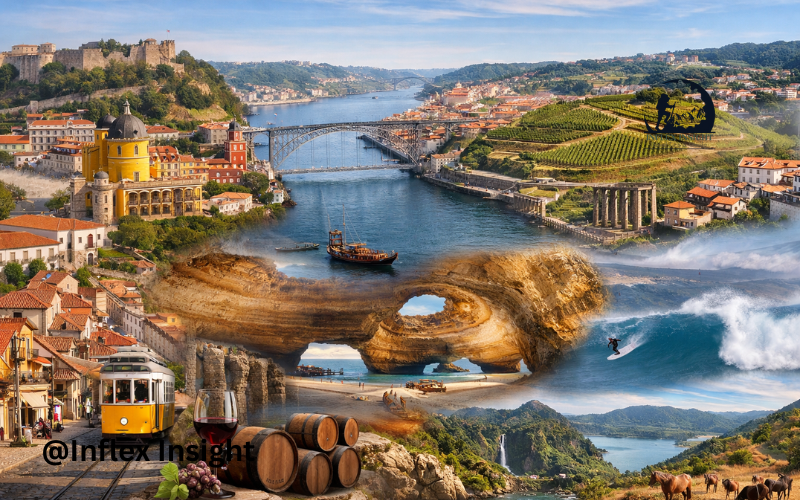
Portugal is rewarding because it doesn’t force you into one type of trip. The best places to visit in Portugal can mean hilltop viewpoints in Lisbon, river walks in Porto, palace days in Sintra, cliff-backed beaches in the Algarve, cultural depth in Coimbra and Évora, winter wave-watching in Nazaré, relaxed coastal time in Cascais, island landscapes in Madeira and the Azores, or quiet trails in Peneda-Gerês. If you match destinations to your travel style and choose timing that fits your goals, Portugal becomes the kind of place you’ll want to return to—often sooner than you expect.
FAQ
1. What are the best places to visit in Portugal for first-time travelers?
For most first-time visitors, Lisbon, Sintra, and Porto are the easiest starting point because they combine major landmarks, local culture, and simple transport connections. From there, you can add a beach region like the Algarve or a cultural stop like Coimbra or Évora depending on your interests.
2. Which region in Portugal has the most beautiful beaches
The Algarve is Portugal’s most famous beach region thanks to its cliffs, caves, and variety of beaches. If you prefer a beach break close to a major city, Cascais is a strong alternative near Lisbon.
3. Is Porto or Lisbon better to visit?
They’re different, and many travelers enjoy both. Lisbon is larger and offers more variety across neighborhoods and day trips. Porto is smaller, more compact, and strongly tied to the riverfront atmosphere and nearby wine country. If you have time for only one, choose based on whether you want a bigger capital feel (Lisbon) or a walkable riverside city (Porto).
4. What is the best time of year to visit Portugal?
Spring and fall are often ideal for comfortable sightseeing weather and fewer crowds compared with peak summer. Summer is great for beaches but can be busier and more expensive in coastal areas.