
Introduction
Choosing where to stay in Porto can shape your entire trip more than you might expect. This city may look small on the map, but each neighborhood offers a different atmosphere — from lively riverfront streets to quiet seaside corners. The right area can save you time, reduce daily stress, and make exploring feel effortless. In this guide, you’ll find a clear and honest breakdown of Porto’s best areas so you can book with confidence and enjoy a stay that truly matches your travel style.
Understanding Porto’s Layout Before You Book
Porto’s main sightseeing zone sits around the historic center and the river. Many top attractions are close enough to reach on foot, but the city is built on slopes, and some routes include steep streets or staircases—especially around the oldest parts near the river. Local guides often describe Porto as walkable overall, but “hilly-walkable,” which is an important difference if you have mobility concerns or you’re traveling with small kids.
This is why location can matter more than a hotel’s star rating. A beautiful hotel can feel less enjoyable if you’re constantly climbing long hills to get back at night, or if you’re far from the areas you plan to visit most. A simpler, well-located place can save you time, energy, and transport costs, which is often the real upgrade.
Getting around is straightforward even without a car. Porto has metro, buses, and urban trains, and the same ticket system is used across much of the network. The Andante system is the standard for public transport in the Porto metro area, and there are tourist-friendly options designed for visitors who plan to ride a lot. If you plan to stay slightly outside the center (like Foz do Douro), regular buses connect you back into town.
Ribeira: Stay in the Heart of Historic Porto
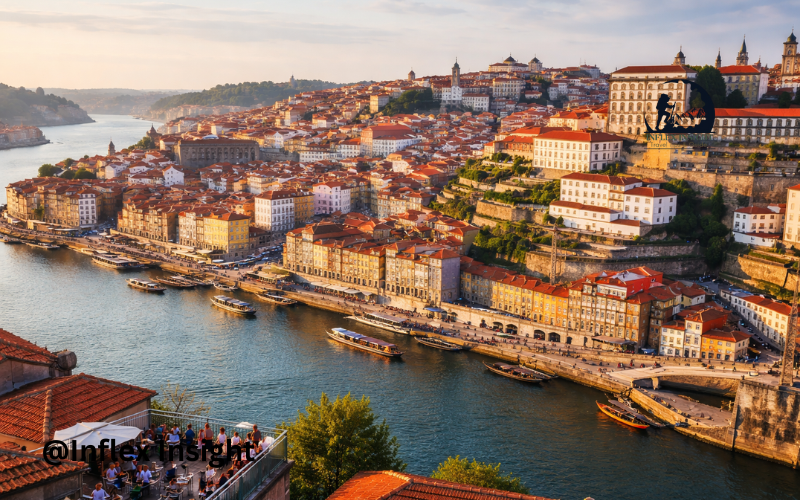
Ribeira is the classic postcard area by the Douro River—colorful buildings, waterfront restaurants, and an old-world atmosphere that feels instantly “Porto.” If your main goal is to be surrounded by history and you love stepping out of your door into the most iconic scenery, Ribeira can be a great base for a short stay.
This area is best for first-time visitors who want maximum charm, couples who enjoy riverside walks, and travelers who plan to spend most of their time sightseeing rather than shopping or quiet evenings at home. It’s also a good pick if you want that “I’m in Porto” feeling the moment you arrive.
The main downsides are practical. Ribeira gets crowded, especially in high season, and the liveliest streets can be noisy late into the evening. It’s also one of the hillier parts of the city: you’re often either climbing up into the center or walking down to the river, which can be tiring after long days. The streets are narrow and can be uneven, and the combination of slopes and cobblestones is something to consider if comfort matters to you.
Accommodation here is often boutique hotels, small guesthouses, and apartments in historic buildings. That charm can come with trade-offs like smaller rooms, stairs, and less modern soundproofing. If you’re sensitive to noise, choose a place slightly above the busiest riverfront strip or look for reviews that mention quiet rooms.
Baixa & Cedofeita: Central, Creative, and Well Connected
If you want a smart, easy base, Baixa and Cedofeita are usually the easiest answer to where to stay in Porto—especially for first-time visitors. This is the central zone where you can reach major sights, cafés, and shopping without feeling “stuck” in the most crowded riverfront lanes. It tends to offer a strong balance: central enough for convenience, but with more flexibility in price and vibe than Ribeira.
These areas are great if you like being able to walk to dinner, pop into cafés during the day, and head out for nightlife without relying on taxis. Cedofeita in particular has a creative feel, with galleries, local stores, and a more residential atmosphere mixed into the city energy. You can still reach the river easily, but you’re not living in the busiest part of it.
For many travelers, this is the best balance between comfort and access. You’ll often find a wider range of accommodation styles here, from modern hotels and serviced apartments to budget-friendly stays and well-rated boutique options. If you value a calmer night’s sleep but still want to be central, this is typically the safest “all-around” choice.
Vila Nova de Gaia: River Views and Wine Cellars
Vila Nova de Gaia sits across the river from Porto’s historic center. It’s famous for its wine cellars, viewpoints, and riverfront walks that often feel a bit calmer once the day-trippers leave. If you like scenic evenings, relaxed dinners, and waking up to river views, Gaia can be a very enjoyable base.
Gaia works well for travelers who prefer quieter nights and don’t mind crossing the river to explore central Porto. The good news is that access is simple: it’s close, walkable via bridges, and connected by public transport. Many people stay here because it feels slightly more spacious, and it can offer better value for hotels with views.
Accommodation styles in Gaia often include modern hotels, larger properties, and river-view stays designed for comfort. It can also be a good pick for couples who want a calmer atmosphere while still being near the action. If your ideal Porto trip includes wine tastings and slow evenings along the water, Gaia is a strong contender.
Foz do Douro: Beachside Stays with a Relaxed Atmosphere
Foz do Douro is where the river meets the Atlantic, and it feels noticeably more relaxed than the city center. If your idea of a great trip includes seaside walks, a calmer pace, and a more local feel, Foz can be perfect.
This area suits travelers who don’t need to be in the middle of sightseeing all day—think longer stays, people who enjoy quiet mornings, and anyone who wants a mix of city and ocean. It can also be a comfortable option for families or travelers who prefer less nightlife noise outside their window.
The trade-off is distance from the main attractions. You can absolutely visit the center daily, but you’ll likely use public transport more often than you would from Baixa or Cedofeita. The good news is that there are regular bus routes connecting Foz to central Porto, including scenic routes along the river. If you’re planning a slower trip and you enjoy returning to a calmer neighborhood at night, that extra travel time can feel worth it.
Accommodation here often leans toward comfortable hotels, higher-end stays, and apartments that work well for longer visits. If you’re coming in summer, booking earlier is wise because the beachside appeal can narrow choices quickly.
Bonfim: A Local Neighborhood with Character
Bonfim is one of those neighborhoods that many travelers love once they discover it. It’s close enough to the center to be practical, but it often feels more local and less tourist-focused. That can mean better value, a more relaxed pace, and a chance to see a day-to-day side of Porto.
Bonfim is gaining popularity because it offers a good mix: authentic cafés, local restaurants, and a vibe that feels lived-in rather than staged for visitors. It can be a strong option for budget travelers who still want a pleasant area, and for repeat visitors who don’t need to be right next to the main attractions.
In terms of safety and atmosphere, Bonfim generally feels comfortable for tourists, especially in the usual well-trafficked streets and near accommodation hubs. As with any city, it’s smart to stay aware late at night and keep valuables secure in crowded areas, but choosing a well-reviewed property in a well-connected part of Bonfim is typically a solid move.
Accommodation here often includes guesthouses, apartments, and smaller hotels with competitive prices. If you want to save money without sacrificing a good base, Bonfim is often a smart answer to where to stay in Porto.
Where to Stay in Porto Based on Your Travel Style
Luxury travelers usually do best in areas that combine convenience, views, and high-comfort properties. Ribeira and Gaia can be strong picks if you want river scenery, while Baixa and Cedofeita can be ideal if you want a polished hotel experience with easy access to dining, shopping, and culture. In Porto, luxury often means boutique charm as much as big facilities, so think about what “luxury” means to you: a view, quiet rooms, spa features, or a prime location.
Budget travelers often get the best value by looking slightly outside the most touristic riverfront strip. Bonfim is a common favorite for good prices with a local feel, while parts of Cedofeita and the wider central area can also offer excellent mid-range deals. Staying central can reduce transport costs, so sometimes paying a little more for location can actually balance out in your total trip budget.
Couples and romantic getaways often love Ribeira for the classic atmosphere and riverfront charm, but Gaia can be just as romantic, especially if you choose a stay with views and enjoy quieter evenings. If you want romance without the crowds, consider staying in a calmer central street in Baixa or Cedofeita, then heading down to the river when you want the scenery.
Families and groups usually benefit from space and easy logistics. Apartments or serviced stays can make meals and downtime easier, and areas like Cedofeita, parts of Baixa, Gaia, and even Foz can work well depending on your pace. The key is convenience: choose somewhere with simple access to transport and avoid streets that require lots of stairs if you’ll be moving strollers or luggage often. Porto’s hills are charming, but they can be exhausting when you’re carrying anything.
Practical Tips for Choosing Where to Stay in Porto
Booking timing matters in Porto, especially in spring and summer and around holidays. If you’re traveling in peak season, the most popular neighborhoods can sell out early, and prices often rise closer to travel dates. If your dates are fixed and you have a preferred area, booking sooner usually gives you better choices and better value.
When deciding between hotels and apartments, think about how you’ll spend your days. Hotels can be easier for short stays and quick plans, while apartments can feel more comfortable for longer trips, families, and travelers who want a “home base” for breaks. In historic areas like Ribeira, apartments can be full of charm, but they may also come with stairs and older building layouts. If elevators, quiet rooms, or modern insulation matter to you, checking reviews is especially important.
Transportation is fairly easy, and the ticket system is designed to be simple across metro, buses, and some train options. The Andante system is the core ticketing method, and it’s widely used across Porto’s public transport network. If you plan to explore beyond the center or stay in areas like Foz, choosing a place near a straightforward bus or metro connection can make daily movement feel effortless.
How long should you stay? Many visitors find that 2–4 days works well for Porto itself, with extra time if you plan day trips (like the Douro Valley) or want slower beachside time in Foz. If you’re only staying two nights, being central (Baixa/Cedofeita or Ribeira) can help you do more with less travel time. If you have four or more nights, you have more flexibility to choose a calmer neighborhood and still see everything comfortably.
Conclusion
Choosing where to stay in Porto is really about matching your neighborhood to your travel style. Ribeira gives you historic charm and the classic riverfront feel, Baixa and Cedofeita offer the most convenient all-around base, Gaia brings scenic views and calmer evenings, Foz is perfect for a relaxed seaside pace, and Bonfim is a smart local-feeling option with great value. If you pick the area that fits how you like to travel—and keep Porto’s hills and transport in mind—you’ll set yourself up for a smoother, more enjoyable trip.
FAQs
1. What is the best area to stay in Porto for first-time visitors?
For most first-time visitors, Baixa and Cedofeita are the easiest choices because they’re central, well connected, and offer a wide range of hotels and apartments. You get quick access to major sights without being locked into the busiest riverfront streets.
2. Is it better to stay in Porto city center or Vila Nova de Gaia?
If you want to walk to most attractions and keep plans simple, the city center is usually best. If you prefer quieter evenings, great views, and easy access to wine cellars, Gaia can be a better fit. Gaia is close enough that you can still visit central Porto daily without hassle.
3. Where to stay in Porto for nightlife and restaurants?
Baixa and Cedofeita are strong picks for nightlife and dining because you’ll be close to a wide mix of restaurants, bars, and late-night spots. Ribeira has plenty of lively options too, but it can feel more tourist-focused and noisier at night.
4. Which area is safest for tourists in Porto?
Porto is generally considered tourist-friendly, and the most common visitor areas like Baixa, Cedofeita, Ribeira, Gaia, and Bonfim are typically comfortable when you take normal city precautions. Staying in a well-reviewed property, avoiding poorly lit streets late at night, and keeping valuables secure in crowded places are the most practical safety habits.