
Introduction
If you have ever booked a cruise, checked an airline ticket, or filled out an immigration form, you may have come across the term embarkation port. In simple terms, an embarkation port is the place where your journey officially begins. It is the location where you board a ship, plane, or other transport to start your trip.
Travelers most often see this term on cruise confirmations, airline tickets, visa documents, customs declarations, and even shipping paperwork. While it may sound formal, it simply refers to your starting point. Understanding your embarkation port helps you arrive at the right place, at the right time, with the right documents. This small detail can prevent missed departures, travel delays, and unnecessary stress, especially when traveling internationally.
What an Embarkation Port Really Means
An embarkation port is the exact place where a traveler or cargo begins its journey. For cruise passengers, it is the port city where they board the ship. For airline travelers, it is the airport from which they depart before reaching their destination. In shipping or military contexts, it is the location where goods or personnel are loaded for transport.
It is helpful to understand how this differs from other travel terms. A departure point may refer to the general place you leave from, while a boarding location could be the specific gate or terminal inside that place. The embarkation port, however, is the official recorded starting point of your journey. It is the place listed in travel systems, immigration records, and transport schedules.
The reason the term is used instead of simpler wording is accuracy. In global travel and logistics, clarity matters. Using “embarkation port” ensures that everyone — airlines, cruise lines, border officials, and shipping companies — refers to the same starting location without confusion.
How Embarkation Ports Work in Cruise Travel
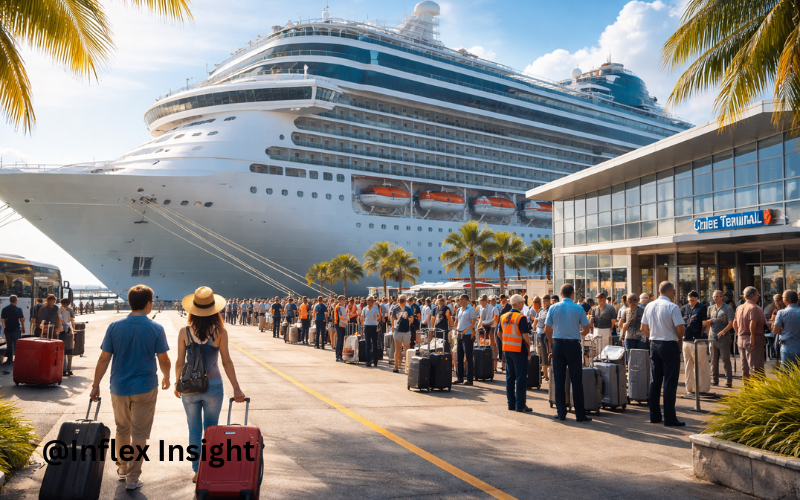
In cruise travel, the embarkation port is especially important because it is where the vacation truly begins. The cruise terminal at this port acts as a gateway between land and sea. Here, passengers check in, hand over luggage, verify identification, and receive boarding cards or key cards for the ship.
The check-in process at an embarkation port often resembles airport procedures. Security checks, document verification, and scheduled boarding times are all part of the process. Cruise lines assign arrival windows to manage crowds and keep boarding smooth. Arriving too late at the embarkation port can mean missing the ship, and unlike flights, ships cannot easily delay departure.
Timing is therefore crucial. Many cruise travelers choose to arrive in the embarkation city a day early to avoid problems caused by traffic, weather, or delayed flights. This extra step can make the start of a cruise much more relaxed and enjoyable.
Embarkation Port in Air Travel and Immigration Forms
Air travelers encounter the term embarkation port on e-tickets, visa applications, and customs forms. In this context, it often refers to the last airport from which you depart before entering another country. For example, if you fly from Dubai to Bangkok with a connection in Doha, your embarkation port for Thailand may be Doha, because it is the last airport you left before arrival.
Governments track this information for security, immigration control, and health monitoring. Knowing where a traveler started their journey helps authorities understand travel routes and manage entry requirements. This became especially important during global health crises, when countries needed to track passenger movement.
For travelers, the key point is to read travel documents carefully. The embarkation port listed may not always be the first airport you departed from, but rather the last one before entering the destination country.
Use of Embarkation Ports in Shipping, Military, and Logistics
Beyond tourism, the concept of an embarkation port plays a major role in shipping and logistics. Cargo companies use embarkation points to track where goods enter the transport system. This information helps manage routes, customs checks, and delivery timelines.
In military operations, embarkation ports are even more significant. They serve as controlled locations where troops, vehicles, and supplies are organized before being transported overseas. Precise records of embarkation points help ensure that resources reach the right destination and that movements remain coordinated.
Across both commercial and military logistics, the embarkation port provides a clear starting reference. Without it, tracking shipments or personnel movements across international borders would be far more complicated.
Why Your Embarkation Port Can Affect Your Trip
Your embarkation port directly affects how you plan your journey. It determines when you must arrive, what documents you need, and how much time you should allow before departure. If you misunderstand this location, you might arrive at the wrong terminal, the wrong airport, or even the wrong city.
Missing your embarkation point can have serious consequences. Cruise passengers who miss boarding are usually responsible for catching up with the ship at the next port of call, which can be expensive and stressful. Airline travelers may lose their seat or need to rebook flights at their own cost.
Documentation is another important factor. At the embarkation port, staff verify passports, visas, and boarding passes. If your documents do not match the departure location listed, you may face delays or denial of boarding. This is why it is always wise to review your travel details carefully before leaving home.
How to Find Your Embarkation Port Before Traveling
Finding your embarkation port is usually simple once you know where to look. It appears on cruise booking confirmations, airline tickets, and travel itineraries. Immigration forms and customs declarations may also mention it.
Double-checking this information is especially important for international trips. Some large cities have multiple airports or cruise terminals, and choosing the wrong one can cause confusion. Reviewing your documents ahead of time allows you to confirm the correct location, terminal, and boarding schedule.
Travelers can reduce stress by reviewing confirmation emails, checking official travel apps, and contacting the transport provider if anything seems unclear. A few minutes of preparation can prevent major problems on departure day.
Common Mistakes Travelers Make About Embarkation Ports
One common mistake is confusing the embarkation port with the final destination. Some travelers assume the listed location refers to where they are going, rather than where they are starting from. This misunderstanding can lead to planning errors.
Another frequent issue is misreading airport or port names. Many cities share similar names, and some airports serve multiple regions. Without careful attention, travelers may head to the wrong place.
Arriving at the wrong terminal is another avoidable problem. Large transport hubs often have separate terminals for international flights, domestic flights, and cruise departures. Checking your embarkation port details in advance helps you arrive at the correct location with time to spare.
Conclusion
The term embarkation port may sound formal, but its meaning is simple. It is the place where your journey begins, whether by sea, air, or land. Understanding this starting point helps you plan your travel more confidently, arrive on time, and avoid unnecessary complications.
By checking your tickets carefully, confirming your departure location, and allowing enough time before boarding, you can ensure a smooth start to your trip. Knowing your embarkation port is a small detail, but it plays a big role in making travel easier and more enjoyable.
FAQs
1. Is the embarkation port the same as the departure airport?
Usually yes, but in connecting flights it may refer to the last airport you leave before reaching your destination country.
2. What happens if I miss my embarkation port for a cruise?
You may need to travel to the next port at your own expense, and the cruise line is not required to wait for you.
3. Why do immigration forms ask for the embarkation port?
Authorities use this information to track travel routes, verify entry requirements, and manage security checks.
4. How early should I arrive at my embarkation port?
For flights, two to three hours is common. For cruises, arrival windows vary, but arriving early in the assigned time slot is recommended.