
Croatia is one of Europe’s most beautiful travel destinations, known for its clear Adriatic Sea, old stone towns, sunny islands, national parks, and relaxed coastal lifestyle. If you are searching for the best places to visit in Croatia, you are probably trying to decide which cities, islands, and natural sights are truly worth your time. This guide follows the planned structure you provided and turns it into a smooth, helpful travel article.
Croatia is not only about beaches. It is also a country of Roman ruins, medieval streets, waterfalls, forests, local food, and charming small towns. Some places are perfect for first-time visitors, while others are better for slow travel, couples, families, or people who want a quieter escape. The best Croatia trip usually mixes a few different experiences: one historic city, one island, one national park, and a little time by the sea.
Dubrovnik: Croatia’s Famous Walled City
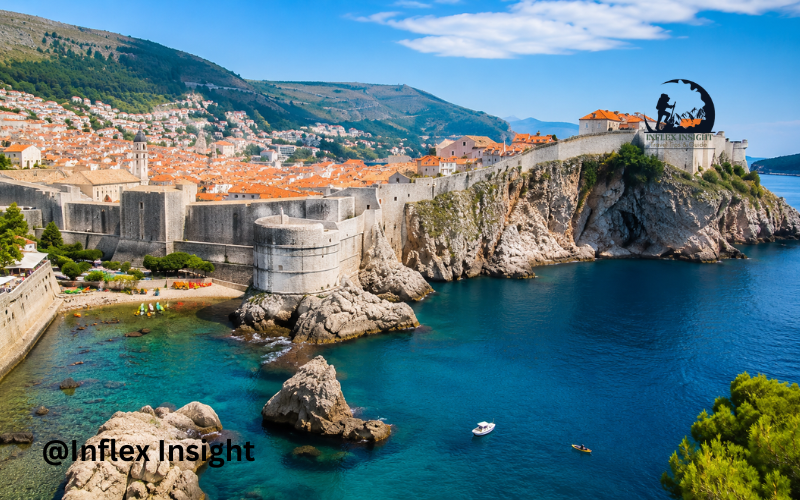
Dubrovnik is one of the most popular places to visit in Croatia, and for many travelers, it is the first image that comes to mind. Its Old Town is surrounded by strong stone walls, with narrow streets, red rooftops, churches, small squares, and views over the Adriatic Sea. It feels historic, scenic, and easy to explore on foot.
Dubrovnik is ideal for first-time visitors, especially those who enjoy history, sea views, and beautiful architecture. Walking along the city walls is one of the best ways to understand why the city is so loved. The views from above show the old rooftops, the blue water, and nearby islands.
The city can get busy in peak summer, so spring and early autumn are often more comfortable. If you want a quieter experience, stay overnight instead of visiting only during the day. Evenings in Dubrovnik feel calmer and more local once many day visitors leave.
Split: History, Food, and Island Connections
Split is another one of the best places to visit in Croatia, especially if you want a city that feels both historic and lively. At the heart of Split is Diocletian’s Palace, a large Roman palace area that is still part of everyday city life. People live, shop, eat, and walk through its old stone streets.
Split is not just a sightseeing stop. It is also a practical base for exploring nearby islands such as Hvar, Brač, and Vis. The waterfront promenade is a great place for a relaxed walk, coffee, or dinner by the sea. The city has a friendly energy, with a mix of local life, restaurants, history, and easy transport.
Plitvice Lakes National Park: Croatia’s Natural Wonder
Plitvice Lakes National Park is one of Croatia’s most famous natural attractions. It is known for its lakes, waterfalls, wooden walkways, and forest paths. The park is Croatia’s oldest and largest national park, and it became a UNESCO World Heritage Site in 1979 because of its unique natural beauty and lake system.
This is a place for travelers who want a break from coastal towns and beaches. The water changes color depending on the light, and the walking routes give visitors many different views of the lakes and waterfalls. It is especially good for nature lovers, photographers, families, and anyone who enjoys peaceful outdoor scenery.
Plitvice can be visited at different times of year. Spring and autumn are especially beautiful because the waterfalls are strong and the crowds are usually lighter than in summer. Winter can also be magical, but some paths may be limited depending on weather.
Hvar: Sunshine, Beaches, and Island Style
Hvar is one of Croatia’s most famous islands. It is known for sunny weather, sea views, lavender fields, beaches, and a stylish harbor town. Hvar Town has old streets, restaurants, bars, and beautiful viewpoints, while other parts of the island offer quieter villages and a slower pace.
Hvar is often seen as a lively summer destination, but it can also be relaxing if you choose the right area. It is a good choice for couples, beach lovers, and travelers who want a mix of island beauty and social life. Boat trips to nearby small islands are also popular.
If you visit in July or August, expect higher prices and more people. For a softer, more relaxed experience, late spring or early autumn can be better.
Zagreb: Croatia’s Capital with Local Character
Zagreb gives travelers a different side of Croatia. While the coast is the main reason many people visit, Zagreb offers museums, parks, cafés, local markets, and a more everyday city atmosphere. It is a good place to understand Croatian life beyond the beaches and islands.
The city is easy to enjoy at a slower pace. You can walk through the historic Upper Town, visit museums, sit in cafés, and explore local food spots. Zagreb is also a useful starting or ending point for travelers going to Plitvice Lakes or moving between inland Croatia and the coast.
Zadar: Sunsets, Sea Views, and a Relaxed Old Town
Zadar is a coastal city that feels calmer than Dubrovnik or Split. Its Old Town has Roman ruins, churches, stone streets, and a beautiful waterfront. It is also known for its sunset views and modern seaside attractions, including the Sea Organ and Greeting to the Sun.
Zadar is one of the best places to visit in Croatia if you want history and coastal beauty without feeling too rushed. It is also a good base for day trips to nearby islands or national parks. The city has a relaxed feel, making it suitable for travelers who enjoy walking, eating by the water, and exploring at an easy pace.
Rovinj and Istria: Romance, Food, and Coastal Charm
Rovinj is one of the most charming towns in Istria, a region in northern Croatia known for its coastal towns, hilltop villages, olive oil, truffles, and wine. Rovinj’s old town is colorful and romantic, with narrow lanes, a small harbor, and sea views around almost every corner.
Istria feels different from southern Croatia. It has a softer, slower character and is especially good for food lovers and road trips. Travelers can enjoy seaside towns like Rovinj and Pula, then drive inland to small villages surrounded by green hills.
Pula is also worth visiting for its Roman amphitheater and coastal setting. If your trip includes northern Croatia, Istria can add a rich and relaxed experience that balances the busier Dalmatian coast.
Korčula: A Beautiful Island with a Quiet Feel
Korčula is a lovely island for travelers who want history, beaches, and island charm without the same level of crowds as Hvar. Korčula Town has stone streets, sea views, and a peaceful old-town atmosphere. It feels elegant but not overwhelming.
This island is a good choice for couples, relaxed travelers, and people who enjoy culture as much as beaches. It can fit nicely into a route between Split and Dubrovnik, depending on ferry schedules. Korčula is also a great place to slow down for a few days instead of rushing from one destination to another.
Krka National Park and Šibenik: Waterfalls and Historic Streets
Krka National Park is another beautiful nature stop in Croatia. It is known for waterfalls, river scenery, walking paths, and easy access from cities such as Split and Šibenik. The park is a practical choice for travelers who want a nature day trip without going as far inland as Plitvice.
Šibenik, located nearby, is a historic coastal city with old streets, fortresses, and a beautiful cathedral. It is often quieter than Split or Dubrovnik, which makes it appealing for travelers who want history without heavy crowds. Pairing Šibenik with Krka National Park creates a balanced mix of culture and nature.
Brač and Vis: Two Islands for Different Travel Styles
Brač is a practical and popular island choice from Split. It is best known for Zlatni Rat beach near Bol, but it also has villages, viewpoints, and outdoor activities. It suits families, beach travelers, and people who want an island that is easy to reach.
Vis has a quieter and more remote feel. It is better for travelers who want hidden coves, fishing villages, boat trips, and a slower island rhythm. Compared with Hvar and Brač, Vis feels more peaceful and less polished, which is exactly why many people love it.
Both islands are among the best places to visit in Croatia, but they offer different experiences. Brač is easier and more active, while Vis is better for quiet escape.
Best Time to Visit Croatia
The best time to visit Croatia depends on what you want from your trip. Summer is ideal for beaches, swimming, islands, and nightlife, but it is also the busiest and most expensive season. Spring is excellent for sightseeing, walking, and lighter crowds. Autumn is also a great choice because the weather can still be pleasant, and many coastal places feel calmer.
Winter is quieter, especially along the coast, but Zagreb and other cities can still be enjoyable. If your main goal is island hopping and beach time, late May to September is usually best. If you care more about old towns, national parks, food, and relaxed travel, May, June, September, and early October are often more comfortable.
How to Choose the Best Places to Visit in Croatia
Choosing the best places to visit in Croatia depends on your travel style and trip length. If you have only one week, it is better to focus on a smaller area, such as Split, Hvar or Brač, Dubrovnik, and one national park. If you have 10 to 14 days, you can add Zadar, Plitvice, Korčula, or Istria.
Try not to see everything in one trip. Croatia looks small on a map, but ferries, roads, and seasonal schedules can take time. A better plan is to balance your route. Choose one major city, one island, one nature stop, and one quieter place where you can slow down.
Conclusion
Croatia is full of unforgettable places, from the old walls of Dubrovnik to the waterfalls of Plitvice and the sunny islands of Hvar, Brač, Korčula, and Vis. The best places to visit in Croatia are not the same for every traveler. Some people will love the history of Split and Zagreb, while others will prefer the beaches, islands, and peaceful coastal towns.
A good Croatia trip should feel balanced, not rushed. Choose places that match your time, season, and travel style. Whether you want old towns, clear water, national parks, island life, or local food, Croatia gives you many beautiful ways to enjoy the journey.
FAQs
What is the most beautiful place to visit in Croatia?
Many travelers consider Plitvice Lakes National Park one of the most beautiful places in Croatia because of its waterfalls, lakes, forests, and walking paths. Dubrovnik is also one of the most scenic cities because of its old walls and sea views.
How many days are enough for Croatia?
A 7-day trip is enough to see a few highlights, such as Split, Dubrovnik, one island, and one national park. For a more relaxed trip with more destinations, 10 to 14 days is better.
Is Croatia better for beaches or history?
Croatia is excellent for both. The islands and coast are great for beaches, while Dubrovnik, Split, Zadar, Šibenik, Pula, and Zagreb offer strong history and culture.
What is the best month to visit Croatia?
June and September are often the best months because the weather is pleasant, the sea is usually warm enough for swimming, and crowds are lighter than in July and August.
Which Croatian island is best for first-time visitors?
Hvar is a popular choice for first-time visitors who want beauty, beaches, and a lively atmosphere. Brač is easier to reach from Split, while Korčula and Vis are better for a quieter island experience.