
Introduction
Dolomites Italy is one of the most beautiful mountain destinations in Europe, known for sharp peaks, green valleys, peaceful lakes, charming villages, and unforgettable views. Located in northern Italy, this region feels different from the busy cities many travelers first imagine when they think of Italy.
The Dolomites are memorable because they combine natural beauty with local culture, outdoor adventure, and relaxing alpine scenery. Visitors come here for hiking, road trips, photography, skiing, quiet mountain towns, and fresh local food. This guide explains where the Dolomites are, why they are famous, where to go, when to visit, how to plan your trip, and what first-time travelers should know.
Where the Dolomites Are in Italy
The Dolomites are located in northeastern Italy, mainly across South Tyrol, Trentino, and Belluno. They are part of the Italian Alps and sit close to Austria, which is why the region has a mix of Italian, German, and Ladin influences. This gives the area a unique culture, language mix, and mountain atmosphere.
Popular bases include Cortina d’Ampezzo, Ortisei, Bolzano, Val Gardena, Alta Badia, and Dobbiaco. Each area offers a slightly different travel experience, so your best base depends on whether you want hiking, skiing, luxury hotels, easy transport, or quiet village life.
Why the Dolomites Are So Famous
The Dolomites are famous for their dramatic limestone peaks, especially during sunrise and sunset when the mountains often glow in soft pink and orange tones. The landscape is bold, sharp, and very different from the softer hills of central Italy.
Another reason Dolomites Italy is so popular is its variety. You can take scenic drives, walk around clear alpine lakes, hike to mountain huts, ride cable cars, ski in winter, or simply relax in a small village with mountain views. It is a destination that works for adventure travelers and slow travelers alike.
Best Places to Visit in the Dolomites Italy
Some of the best places to visit in the Dolomites include Tre Cime di Lavaredo, Seceda, Alpe di Siusi, Val di Funes, Lago di Braies, Cortina d’Ampezzo, and the Sella Pass. These places show the classic beauty of the region, from wide meadows to rocky peaks and postcard-like valleys.
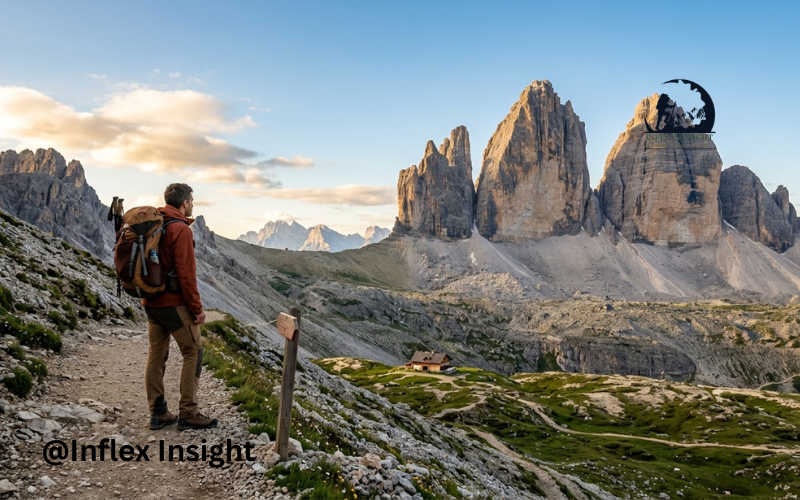
Tre Cime di Lavaredo is one of the most iconic mountain areas, while Seceda is loved for its sharp ridgeline and wide views. Alpe di Siusi is one of the best places for peaceful scenery, especially if you enjoy open meadows and gentle walks.
Most Beautiful Lakes in the Dolomites
The Dolomites are home to some of Italy’s most beautiful mountain lakes. Lago di Braies is the most famous, with clear water surrounded by high peaks. It is very popular, so visiting early in the morning is usually best.
Other beautiful lakes include Lago di Carezza, Lago di Sorapis, Lago di Misurina, and Lago di Dobbiaco. Some are easy to reach by car, while others require a hike. These lakes are perfect for photography, quiet walks, and enjoying the natural side of Dolomites Italy.
Best Towns and Villages to Stay In
Cortina d’Ampezzo is a great choice for travelers who want a famous mountain town with hotels, restaurants, shops, and winter sports. Ortisei is ideal for visitors who want easy access to Seceda, Alpe di Siusi, and Val Gardena.
Bolzano works well for travelers who want a city base with train access, culture, and day trips into the mountains. Dobbiaco and San Candido are good options for exploring Tre Cime, Lago di Braies, and nearby valleys. For a quieter stay, smaller villages in Val di Funes or Alta Badia can feel more peaceful and local.
Top Things to Do in the Dolomites
The top things to do in the Dolomites include hiking, taking cable cars, driving mountain passes, visiting lakes, exploring villages, and trying local food. Many travelers also enjoy photography because the scenery changes beautifully throughout the day.
In winter, skiing and snowboarding become major reasons to visit. In summer, the focus shifts to hiking, biking, climbing, and scenic road trips. Even if you are not very active, you can still enjoy the Dolomites through easy walks, viewpoints, mountain huts, and cable car rides.
Best Hiking Trails in the Dolomites Italy
The Dolomites offer hiking trails for many fitness levels. Tre Cime di Lavaredo loop is one of the most famous routes and gives close views of the three peaks. Seceda to Pieralongia is another popular choice for dramatic scenery.
Lago di Sorapis is a beautiful hike, but it can be challenging in some sections. Alpe di Siusi is better for easier walks with wide-open views. First-time visitors should choose trails based on weather, distance, elevation, and comfort level rather than just popularity.
Dolomites Road Trip Route Ideas
A Dolomites road trip is one of the best ways to see the region because many viewpoints, passes, lakes, and villages are spread out. A simple route could start in Bolzano, continue to Ortisei and Val Gardena, pass through Alta Badia, and end near Cortina d’Ampezzo.
Another route can focus on Cortina, Tre Cime di Lavaredo, Lago di Braies, Lago di Misurina, and nearby valleys. Mountain roads can be narrow and winding, so it is better to plan shorter driving days and leave time for stops.
Best Time to Visit the Dolomites
The best time to visit the Dolomites depends on what you want to do. Summer is best for hiking, road trips, lakes, and green mountain views. Winter is best for skiing, snowboarding, snow-covered villages, and a cozy alpine atmosphere.
Late spring and autumn can be quieter, but some lifts, hotels, and mountain huts may close between seasons. Always check local opening times before planning your trip, especially if you want to visit high-altitude places.
Summer Travel in the Dolomites
Summer in Dolomites Italy is ideal for hiking, biking, scenic drives, and lake visits. The weather is usually more comfortable than many hot Italian cities, making it a good choice for travelers who want nature and fresh mountain air.
July and August are the busiest months, especially around famous places like Lago di Braies and Tre Cime. June and September can feel calmer while still offering beautiful views, though mountain weather can change quickly.
Winter Travel in the Dolomites
Winter turns the Dolomites into a snowy mountain destination. Skiing, snowboarding, sledding, winter walking, and spa stays are all popular. Cortina d’Ampezzo, Val Gardena, Alta Badia, and other ski areas attract visitors from around the world.
Even non-skiers can enjoy winter in the Dolomites by staying in a village, taking scenic lifts, visiting Christmas markets in nearby towns, or enjoying mountain restaurants. Warm clothing and careful transport planning are important during this season.
How Many Days You Need in the Dolomites
For a first trip, three to five days is enough to see a few highlights without rushing too much. With three days, it is better to focus on one area, such as Cortina or Val Gardena. With five to seven days, you can explore different valleys, lakes, hikes, and road trip routes.
If you enjoy hiking or photography, staying longer is worth it. The Dolomites are not a place to rush because weather, driving time, and mountain distances can slow your plans.
How to Get to the Dolomites Italy
The Dolomites can be reached from several airports, including Venice, Verona, Milan, Innsbruck, and Munich. Venice and Verona are common choices for travelers coming from Italy, while Innsbruck and Munich can work well for northern access.
From major cities, you can travel by train and bus to towns such as Bolzano, Bressanone, Dobbiaco, or Belluno. However, some mountain villages and trailheads may still require buses, transfers, or a rental car.
Getting Around the Dolomites
Getting around the Dolomites is easiest by car because it gives you flexibility to reach lakes, viewpoints, mountain passes, and small villages. This is especially helpful if you are planning a road trip or staying outside main towns.
Public transport is possible in many areas, especially in South Tyrol, where buses, trains, and some local passes make travel easier. Still, schedules can be limited in remote areas, so plan routes carefully and avoid packing too much into one day.
Where to Stay in the Dolomites Based on Travel Style
For luxury and classic mountain charm, Cortina d’Ampezzo is a strong choice. For hiking and cable car access, Ortisei and Val Gardena are excellent. For a more local and peaceful stay, Val di Funes or smaller Alta Badia villages can be ideal.
Budget travelers may find better value in towns slightly outside the most famous resort areas. Families may prefer places with easy walks, cable cars, restaurants, and good transport links. Choosing the right base can make your Dolomites Italy trip much smoother.
Food and Local Culture in the Dolomites
Food in the Dolomites reflects Italian, Austrian, and Ladin traditions. You may find pasta and pizza alongside dumplings, speck, polenta, apple strudel, mountain cheese, and hearty soups. Mountain huts are a big part of the travel experience and often serve simple, comforting meals with beautiful views.
The culture feels alpine, calm, and connected to nature. Many villages have wooden houses, churches, local festivals, and family-run hotels. This mix of scenery and culture is one of the reasons the Dolomites feel so special.
Dolomites Travel Costs and Budget Planning
The Dolomites can be expensive, especially in peak summer and winter ski season. Hotels in popular towns may cost more, and cable cars, parking, car rental, and mountain restaurants can add to the budget.
To save money, travel outside peak dates, book early, stay in smaller towns, use public transport where possible, and choose simple guesthouses or apartments. Planning ahead helps avoid last-minute high prices.
Practical Travel Tips for First-Time Visitors
First-time visitors should keep plans flexible because mountain weather can change fast. It is smart to check lift schedules, road conditions, trail updates, and parking rules before heading out.
Comfortable shoes, layered clothing, sunscreen, water, and a light rain jacket are useful even in summer. In winter, proper warm clothing and snow-ready travel planning are important. The Dolomites are beautiful, but they are still a mountain region, so preparation matters.
Common Mistakes to Avoid When Visiting the Dolomites
A common mistake is trying to see too many places in too little time. Distances may look short on a map, but mountain roads and photo stops can make travel slower. Another mistake is booking accommodation far from the places you want to visit.
Many travelers also forget to check seasonal closures. Some cable cars, mountain huts, and roads may not operate year-round. Good planning can make your Dolomites Italy trip easier and more enjoyable.
Is the Dolomites Italy Worth Visiting?
Yes, the Dolomites are worth visiting if you enjoy mountains, nature, scenic drives, hiking, lakes, winter sports, or peaceful villages. The region offers some of the most striking landscapes in Italy and feels very different from Rome, Venice, Florence, or the Amalfi Coast.
It is especially worth visiting for travelers who want a mix of outdoor beauty and local culture. Whether you stay for a short mountain escape or a full road trip, the Dolomites can become one of the most memorable parts of an Italy itinerary.
Conclusion
Dolomites Italy is a destination filled with dramatic peaks, clear lakes, scenic roads, welcoming villages, and year-round travel experiences. It is a place where planning makes a big difference because each valley, season, and town offers something unique.
Whether you visit in summer for hiking and lakes or in winter for snow and skiing, the Dolomites reward travelers who slow down and enjoy the landscape. With the right base, flexible plans, and realistic timing, a trip to the Dolomites can be both peaceful and unforgettable.
FAQs
1. Where are the Dolomites in Italy?
The Dolomites are in northeastern Italy, mainly across South Tyrol, Trentino, and Belluno. They are part of the Italian Alps and close to the Austrian border.
2. What is the best time to visit Dolomites Italy?
Summer is best for hiking, lakes, road trips, and green landscapes. Winter is best for skiing, snowboarding, and snowy mountain villages.
3. How many days are enough for the Dolomites?
Three to five days is enough for a first visit, but seven days is better if you want to explore more areas, hikes, lakes, and scenic roads.
4. Do you need a car in the Dolomites?
A car is helpful because it gives more freedom, especially for road trips and remote viewpoints. Public transport is possible in many areas, but it needs careful planning.
5. Is Dolomites Italy good for beginners?
Yes, the Dolomites are good for beginners if you choose easy walks, cable cars, scenic lakes, and accessible towns. Not every activity requires difficult hiking or mountain experience.