
Introduction
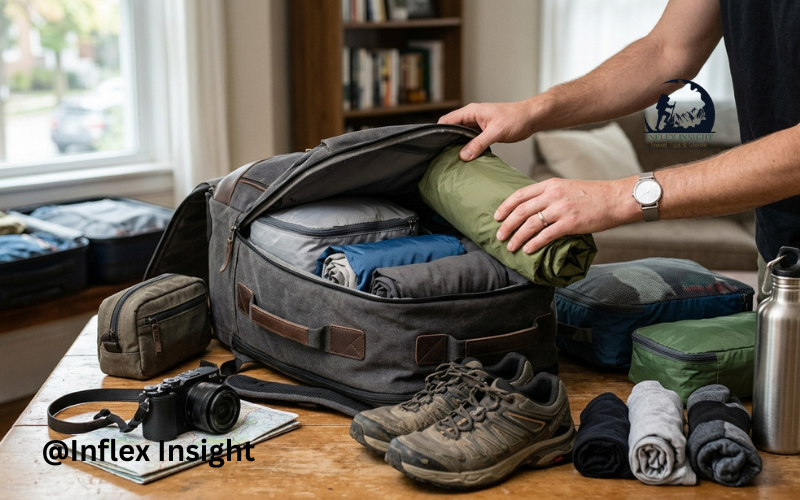
Learning how to pack a backpack for travel is not simply about squeezing everything into a limited space. A well-packed backpack should also feel comfortable, stay organized, and make important items easy to reach.
Your packing choices will depend on the length of your trip, the expected weather, your planned activities, and how you will travel. A short city break requires a different setup from a long hiking trip. By choosing the right backpack, packing in a sensible order, and distributing weight carefully, you can carry what you need without creating an uncomfortable load.
Choose the Right Backpack for Your Trip
Begin by selecting a backpack that matches your trip. A capacity of around 20 to 30 litres may suit a short break, while longer journeys often require more space. However, a larger backpack can encourage unnecessary packing.
A carry-on backpack is convenient because it stays with you and may help you avoid checked-baggage delays. A checked backpack can hold more, but it must be strong enough to handle rough treatment.
Also consider the opening style. Clamshell and front-opening backpacks open like suitcases, making items easier to see. Top-loading designs can be practical for hiking but may make belongings at the bottom harder to reach. Whatever style you choose, make sure the shoulder straps, back panel, and hip belt feel supportive.
Plan What You Actually Need to Bring
Check the weather, activities, accommodation, and local conditions before making your packing list. Focus first on essentials such as clothing, medication, documents, toiletries, and suitable footwear.
Choose clothes that can be mixed, matched, and worn more than once. Neutral colours and lightweight layers usually offer more flexibility than complete outfits for every day. Reusable items, such as a water bottle or shopping bag, may also reduce what you need to buy during the trip.
Be careful with items packed “just in case.” If something is unlikely to be used and can easily be purchased at your destination, consider leaving it behind.
Lay Everything Out Before Packing
Place everything on a bed, table, or clean floor before putting it in your backpack. Group similar belongings together, including clothes, toiletries, electronics, documents, and accessories.
This makes duplicates easier to notice. You may discover that you have packed several similar shirts, too many charging cables, or products already provided by your accommodation. Review the size, weight, and purpose of each group, then remove unnecessary items.
Keep passports, money, tickets, and valuable belongings separate. These should eventually go into a secure but accessible compartment or personal item.
Use a Simple Backpack Packing System
A clear packing system prevents the contents of your backpack from becoming messy during the trip. Give each category a regular place. Clothes can stay in the main compartment, while toiletries, electronics, and small accessories can go into separate pouches.
Keep travel documents, money, and medication in protected areas that are easy for you to reach. Snacks and comfort items can stay near the top or in an outside pocket. Destination-specific gear, such as swimming equipment or hiking accessories, should be packed according to how soon you will need it.
Pack Clothes to Save Space and Prevent Wrinkles
Rolling works well for soft clothing such as T-shirts, casual trousers, and sleepwear. Folding may be better for structured shirts, jackets, and items that wrinkle easily. Bundle packing, where clothes are wrapped around a central group, can reduce creases but may be less convenient when you need only one item.
Packing cubes can separate clothing by type, outfit, or person. They improve organization, although tightly filling them does not always reduce overall weight.
Use socks and underwear to fill small spaces. Bring a lightweight laundry bag to keep worn clothes away from clean items as the trip continues.
Place Items According to Weight and Use
Correct weight distribution is a key part of understanding how to pack a backpack for travel comfortably. Place heavier items close to your back and around the middle of the backpack. This helps keep the load close to your natural centre of balance.
Lighter items, such as soft clothing, can sit at the bottom or fill spaces around heavier belongings. Frequently used items should remain near the top or in accessible pockets.
Try to keep the weight even on both sides. A backpack that pulls to one side can become uncomfortable, even when it is not particularly heavy.
Pack Shoes Without Wasting Space
Shoes take up a surprising amount of room, so limit yourself to practical pairs that suit your planned activities. Wear the bulkiest or heaviest pair while travelling.
Fill clean, dry shoes with socks or other small, soft items. Place each pair in a shoe bag or simple protective covering so the soles do not touch your clothes. Position shoes near the bottom or sides of the backpack while keeping the overall weight balanced.
Organize Toiletries, Liquids, and Medications
Choose small containers and bring only the amount of each product you expect to use. Tighten bottle caps, cover openings when practical, and place liquids in a sealed, leak-resistant bag. Keeping wet products separate from dry toiletries can make spills easier to control.
Carry-on liquid restrictions vary by airport, route, and security authority, so check the current rules before travelling. Keep any liquids that must be screened in an accessible place.
Essential medication should remain in your carry-on or personal item, ideally in its original packaging. Bring any supporting documents required for your destination.
Protect Electronics, Documents, and Valuables
Place laptops and tablets in padded sleeves, preferably in a compartment close to your back. Cameras and other fragile devices should be protected from pressure, impact, and moisture.
Use a small pouch to organize chargers, adapters, cables, and memory cards. Avoid packing loose cables throughout the backpack.
Passports, money, payment cards, and tickets should stay in a secure compartment that is not easy for another person to access. Valuable or essential items are generally safer in the personal item that remains with you.
Make Important Items Easy to Reach
Think about what you may need at the airport, during the journey, and immediately after arrival. Documents, medication, a phone charger, headphones, and approved travel liquids should not be buried beneath your clothing.
Keep a light jacket or weather layer near the top. Snacks and a reusable water bottle can go in an outside pocket, although the bottle may need to be empty during airport security screening. Also make sure you can quickly reach your accommodation details and local transport information.
Adapt the Packing Method to Your Type of Trip
Packing for a Weekend Trip
For a weekend, focus on a few interchangeable outfits, basic toiletries, essential electronics, and one practical pair of shoes in addition to what you wear.
Packing for a Week-Long Holiday
Pack several clothing combinations rather than seven complete outfits. If laundry facilities are available, you may need much less than expected.
Packing for Long-Term or Multi-Destination Travel
Long trips do not always require larger wardrobes. Pack for roughly one week and plan to wash clothes. Choose items that work across different places and activities.
Packing for Warm-Weather Travel
Select breathable clothing, sun protection, and lightweight layers. Even warm destinations may require a light jacket for cool evenings or air-conditioned spaces.
Packing for Cold or Wet Conditions
Use layers instead of relying on one very bulky item. Protect clothes and electronics with waterproof covers or sealed bags, and wear your heaviest outerwear during transit.
Packing for Hiking and Adventure Travel
Give extra attention to fit, balance, footwear, water, weather protection, and safety equipment. Avoid adding specialist gear unless it is suitable for your route and experience.
Check Carry-On Size, Weight, and Security Rules
Airline baggage limits are not universal. Check the permitted dimensions and weight directly with every airline on your booking, especially if you have connecting flights.
Measure the backpack after it is fully packed because filled outer pockets can increase its size. Weigh it at home and leave a little space for items acquired during the trip.
Prepare liquids and electronics for screening according to current airport rules. Secure the zippers, but avoid locks or packing methods that make inspections unnecessarily difficult.
Test the Packed Backpack Before Departure
Put on the fully packed backpack and adjust the shoulder straps, hip belt, and chest strap if it has one. The pack should sit close to your body without pulling heavily on your shoulders.
Walk around for several minutes and notice any pressure points, movement, or uneven weight. If it feels uncomfortable at home, it is likely to feel worse during a long journey. Remove non-essential items or reposition heavy belongings until the load feels stable.
Common Backpack Packing Mistakes to Avoid
Common mistakes include choosing the wrong backpack size, bringing too many clothes, packing several bulky shoes, and overfilling every compartment. Poor weight placement can also cause discomfort when heavy items sit too far from your back.
Other problems include leaving liquids unprotected, hiding important documents beneath clothing, and forgetting baggage restrictions. A backpack does not need to be completely full. A little spare room makes it easier to repack during the journey.
Final Backpack Packing Checklist
Before leaving, confirm that your backpack fits properly and has no damaged straps, seams, or zippers. Check that you have suitable clothing, practical footwear, toiletries, medication, electronics, chargers, documents, money, and required travel items.
Make sure liquids are protected, valuables are secure, and frequently used belongings are accessible. Finally, check the backpack’s dimensions and weight against your airline’s current rules, then wear it once more to confirm that the load feels balanced.
Conclusion
Knowing how to pack a backpack for travel can make the entire journey more comfortable and organized. Choose a suitable backpack, bring only what supports your plans, place heavier belongings close to your back, and keep essential items within easy reach.
FAQs
1. What is the best way to pack a backpack for travel?
Place lighter items at the bottom, heavier belongings close to the middle of your back, and frequently used items near the top or in outside pockets.
2. Is it better to roll or fold clothes in a backpack?
Rolling works well for soft, casual clothing and can fill small spaces. Folding is often better for structured clothes and items that wrinkle easily.
3. How big should a travel backpack be?
A 20- to 30-litre backpack may suit a weekend trip, while a 30- to 45-litre bag can work for longer travel. Your ideal size depends on your trip and airline limits.
4. Are packing cubes useful in a travel backpack?
Yes. Packing cubes separate clothing and make items easier to find. However, they improve organization more than they reduce the total weight of your backpack.
5. Where should heavy items go in a travel backpack?
Heavy items should sit close to your back and around the middle of the backpack. This position improves balance and reduces strain on your shoulders.