
Meta Description
Looking for the perfect beach umbrella? Learn types, UV protection, wind resistance, sizes, and tips to stay cool, safe, and comfortable at the beach.
Introduction
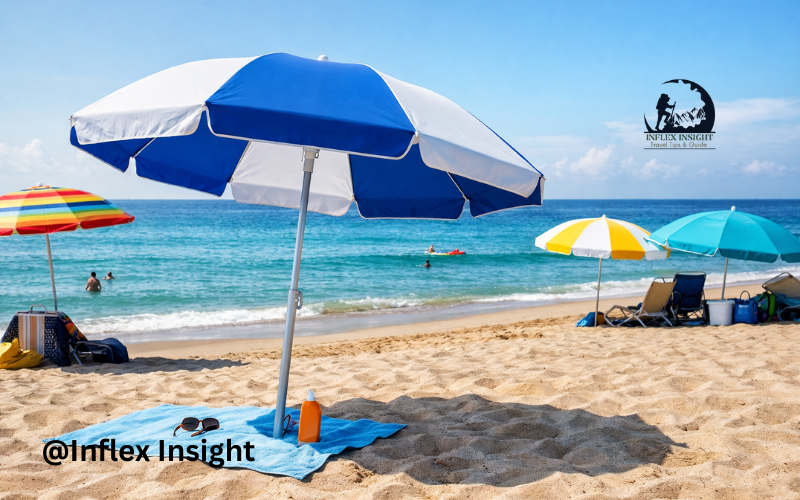
A beach umbrella is one of the simplest tools you can bring to the shore, yet it can completely change how comfortable and enjoyable your beach day feels. At its core, a beach umbrella is designed to provide shade, helping protect your skin from direct sunlight while giving you a cooler place to relax. Whether you are spending an hour by the water or planning a full day on the sand, having reliable shade makes a noticeable difference.
Choosing the right beach umbrella is not just about blocking the sun. It also affects how relaxed you feel, how long you can stay outside, and how well you are protected from heat and UV exposure. A well-made umbrella creates a personal shaded space where you can read, rest, watch the waves, or keep children protected during peak sun hours. With many designs and features available, understanding what makes a beach umbrella effective helps you make a choice that truly improves your time at the beach.
Understanding What Makes a Beach Umbrella Effective
The main purpose of a beach umbrella is to provide portable shade in an open, sunny environment. Unlike regular patio or garden umbrellas, beach umbrellas are built specifically for sand, sun, and wind. They usually have pointed or anchored poles that can be secured into soft ground, and their materials are chosen to handle salt air, strong sunlight, and coastal breezes.
A beach umbrella’s design focuses on flexibility and protection. Many models allow you to adjust the angle of the canopy so you can block the sun as it moves across the sky. The fabric is often treated to reduce UV exposure, and the frame is lightweight enough to carry but strong enough to stay upright. These features set a beach umbrella apart from everyday outdoor umbrellas and make it suitable for seaside conditions.
Types of Beach Umbrellas and How They’re Used
Classic Center-Pole Beach Umbrellas
Classic center-pole beach umbrellas are the most familiar and widely used style. They have a straight pole in the middle and a round canopy that spreads evenly in all directions. This type works well for individuals or couples who want simple shade without extra adjustments. It is easy to set up and offers balanced coverage for sitting or lying directly underneath.
Tilt-Adjustable Beach Umbrellas
Tilt-adjustable beach umbrellas are designed to adapt to the changing position of the sun. The pole or canopy can be angled, allowing you to redirect shade without moving the umbrella itself. This type is especially useful during long beach visits, as it helps maintain consistent shade throughout the day while staying in the same spot.
UV-Protection Beach Umbrellas
UV-protection beach umbrellas focus on sun safety. They use special fabrics designed to block a higher percentage of harmful ultraviolet rays. While all umbrellas provide some shade, these models are made for people who want added peace of mind, especially families with children or individuals with sensitive skin.
Wind-Vented Beach Umbrellas
Wind-vented beach umbrellas include small openings near the top of the canopy. These vents allow air to pass through rather than pushing against the umbrella, reducing the chance of it tipping over. This type is helpful on beaches where wind is common and conditions change quickly.
Sand-Anchor Beach Umbrellas
Sand-anchor beach umbrellas are designed with stability in mind. They often include a screw-style base or built-in anchor that twists deep into the sand. This feature keeps the umbrella firmly in place and reduces the need for constant adjustment, even in breezy weather.
Oversized Beach Umbrellas
Oversized beach umbrellas offer wider coverage and are ideal for people who want more shade space. They are often used by families or groups who want to sit together without being crowded. While they take up more room and may be heavier, the extra shade can make a big difference on hot days.
Lightweight Travel Beach Umbrellas
Lightweight travel beach umbrellas are made for easy transport. They use lighter frames and compact designs that are simple to carry over long distances. This type suits solo travelers, hikers, or anyone who values convenience and quick setup over large coverage.
Commercial-Grade Beach Umbrellas
Commercial-grade beach umbrellas are built for heavy use. You often see them at resorts, hotels, or public beaches. They are stronger, more durable, and designed to withstand frequent setup and harsh conditions. While heavier than personal models, they offer excellent stability and long-term performance.
Portable Compact Beach Umbrellas
Portable compact beach umbrellas fold down into smaller sizes for storage. They are a good option for people with limited space or those who want an umbrella that fits easily in a car trunk or beach bag. Despite their smaller size, many still offer reliable shade for short stays.
Family-Size Beach Umbrellas
Family-size beach umbrellas focus on shared comfort. They provide enough coverage for multiple people and often include features like wider canopies and stronger frames. This type is ideal for parents who want to keep children shaded while still having room to relax together.
Beach Umbrella Materials and Build Quality
The materials used in a beach umbrella play a major role in how long it lasts and how well it performs. Most canopies are made from polyester or similar fabrics that resist fading and moisture. Higher-quality fabrics tend to provide better sun protection and hold up longer under constant exposure.
The frame is usually made from aluminum, steel, or fiberglass. Aluminum is lightweight and resistant to rust, making it popular for personal umbrellas. Fiberglass offers flexibility, which can help in windy conditions. Steel is strong but heavier and more commonly found in commercial-grade designs. Protective coatings on both fabric and frame help prevent wear from salt, sand, and sun.
Sun Protection and UV Safety Considerations
A beach umbrella provides shade, but the level of sun protection can vary. Many umbrellas include a UPF rating, which shows how well the fabric blocks ultraviolet rays. A higher rating means better protection. This is especially important during midday hours when the sun is strongest.
Real-world sun coverage depends not only on fabric quality but also on umbrella size and positioning. Even with shade, reflected sunlight from sand and water can reach your skin. Adjusting the umbrella angle and combining shade with other sun safety habits helps create a more protected beach environment.
Wind Resistance and Stability at the Beach
Wind is one of the biggest challenges for any beach umbrella. Features like vented canopies, flexible frames, and strong anchors help improve stability. A well-designed beach umbrella should bend slightly with the wind rather than fight against it.
Proper setup also affects stability. Pushing or twisting the pole deep into the sand and positioning the umbrella at an angle can reduce the force of the wind. Choosing an umbrella designed for coastal conditions makes it easier to enjoy shade without constant worry.
Size, Coverage, and Portability Factors
Finding the right balance between size and portability is key. Larger beach umbrellas provide more shade but can be heavier and harder to carry. Smaller umbrellas are easier to transport but may offer limited coverage, especially for more than one person.
Consider how far you need to walk, how much shade you want, and how many people will use the umbrella. A beach umbrella that fits your lifestyle makes beach trips more relaxing and less tiring.
How to Properly Set Up a Beach Umbrella?
Setting up a beach umbrella correctly improves both safety and comfort. The pole should be secured deeply into the sand to prevent tipping. Many people find that twisting the pole into damp sand closer to the water provides better stability.
Angling the umbrella toward the sun rather than keeping it perfectly upright helps create more effective shade. Checking the umbrella throughout the day and adjusting as needed ensures consistent coverage and reduces strain on the frame.
Beach Umbrella Care, Storage, and Lifespan
Taking care of a beach umbrella helps extend its lifespan. After each use, shaking off sand and allowing the umbrella to dry prevents moisture damage. Salt residue should be rinsed off when possible, as it can weaken materials over time.
Storing the umbrella in a dry, cool place and using a protective sleeve helps preserve the fabric and frame. Simple maintenance habits make a noticeable difference in how long your beach umbrella stays reliable.
Choosing the Right Beach Umbrella for Your Needs
The right beach umbrella depends on how you spend your time at the beach. Solo visitors may prefer lightweight and compact options, while families often benefit from larger, more stable designs. Wind conditions, sun sensitivity, and transport needs all play a role.
By thinking about where, how often, and with whom you use your umbrella, you can select a model that fits naturally into your beach routine. A thoughtful choice leads to better comfort and less hassle.
Conclusion
A beach umbrella may seem like a small detail, but it has a big impact on your overall beach experience. It provides essential shade, supports sun safety, and creates a comfortable place to relax by the water. From simple designs to feature-rich options, there is a beach umbrella suited to every type of beachgoer.
By understanding the different types, materials, and features, you can choose a beach umbrella that meets your needs and stands up to coastal conditions. A well-chosen umbrella helps turn a sunny shoreline into a more enjoyable and comfortable space, allowing you to focus on what matters most—enjoying your time at the beach.
FAQs
1. What size beach umbrella is best?
A 6 to 7-foot beach umbrella works well for one to two people, while families usually need a larger umbrella for full shade coverage.
2. Do beach umbrellas really protect from UV rays?
Yes, especially umbrellas with a UPF rating. They block a large amount of harmful UV rays when positioned correctly.
3. How do I stop my beach umbrella from blowing away?
Use a sand anchor or twist the pole deep into wet sand. Wind-vented designs also help improve stability.
4. Can I use a regular patio umbrella at the beach?
Not recommended. Regular umbrellas are heavier and not designed for sand or strong beach winds.
5. How long does a beach umbrella last?
With proper care and storage, a good-quality beach umbrella can last several years.