
Introduction
Cagliari, the vibrant capital of Sardinia, is a city that effortlessly blends history, culture, and natural beauty. Perched on seven hills along the southern coast of the island, it offers a captivating mix of ancient streets, lively neighborhoods, and stunning Mediterranean beaches. Often called the “City of the Sun,” Cagliari is more than just a destination for sun-seekers; it is a hub of art, archaeology, and local life, where past and present coexist in harmony.
Visitors to Cagliari are greeted with a warm, inviting atmosphere that combines modern amenities with centuries-old charm. From winding cobbled streets to golden beaches and contemporary cafes, the city offers experiences that appeal to history enthusiasts, nature lovers, and travelers looking for a genuine taste of Sardinia. This guide will walk you through the highlights of Cagliari, helping you plan a memorable visit and uncover the city’s unique character.
Discovering Il Castello – Cagliari’s Historic Heart
At the heart of Cagliari lies Il Castello, a historic district perched atop a hill that has served as the city’s center for centuries. This medieval quarter is a maze of narrow streets, charming squares, and ancient buildings that tell the story of Cagliari’s rich past. The area dates back to the 13th century and has been shaped by a succession of rulers, including the Pisans, Aragonese, and Savoyards, each leaving a distinct mark on the architecture and layout.
Walking through Il Castello, visitors encounter iconic landmarks like the Cagliari Cathedral, a stunning structure that combines Romanesque and Baroque styles, and the Bastion of Saint Remy, one of the city’s most famous viewpoints. From the Bastion, you can enjoy panoramic views of the city, the sparkling Mediterranean, and the surrounding hills. Every corner of Il Castello invites exploration, with hidden courtyards, artisan shops, and local cafes providing an authentic taste of Cagliari’s culture.
The area’s historical significance is complemented by its vibrant atmosphere. Street performers, small galleries, and charming restaurants make Il Castello a place where the city’s past meets its contemporary spirit. Spending a morning wandering through this district is a journey through time, offering both visual delight and cultural insight.
Sun, Sand, and Sea – Experiencing Poetto Beach
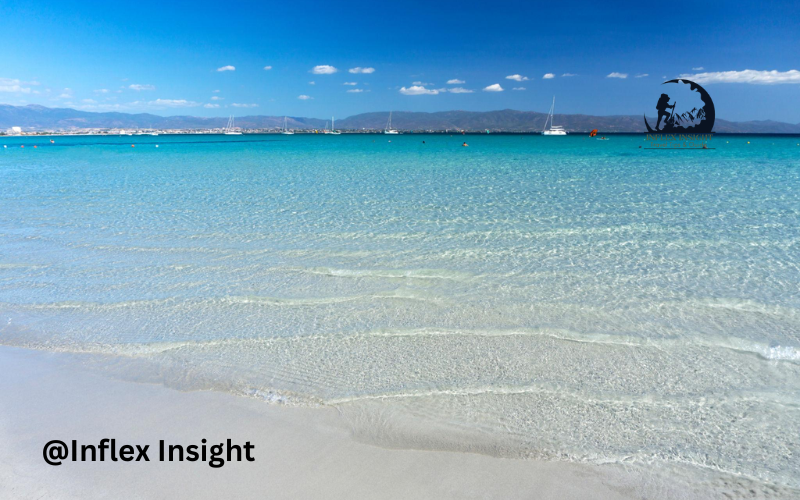
No visit to Cagliari is complete without experiencing Poetto Beach, one of Italy’s longest city beaches. Stretching for approximately eight kilometers, the beach is known for its soft white sand and clear blue waters, offering ample space for relaxation and recreation. Poetto is more than just a place to sunbathe; it is a vibrant social hub where locals and tourists alike gather to enjoy the sun, sea, and sand.
The beach caters to a variety of activities, including swimming, windsurfing, beach volleyball, and evening strolls along the shoreline. Its length allows visitors to find quiet spots away from the crowds or join in lively gatherings closer to the bars and cafes that line the promenade. During the summer months, Poetto comes alive with outdoor events, live music, and beach festivals, adding to its festive charm.
For those visiting Cagliari, the best times to enjoy Poetto Beach are early in the morning for a peaceful start or late afternoon for a scenic sunset. Walking along the promenade, you can also sample local seafood at nearby restaurants while enjoying views of the sea. Poetto is a place where the natural beauty of Sardinia meets the city’s energetic lifestyle, making it an essential stop for anyone exploring Cagliari.
A Journey Through Time – Museums and Ancient Sites
Cagliari is steeped in history, and its museums and ancient sites provide a window into the island’s past. The National Archaeological Museum, located in a former royal arsenal, houses artifacts spanning the Nuragic, Phoenician, Roman, and Byzantine eras. One of its most remarkable collections is the “Giants of Mont’e Prama,” a series of large stone statues dating back to the Nuragic civilization. These artifacts offer a fascinating glimpse into Sardinia’s prehistoric culture and the island’s role in the broader Mediterranean world.
Another must-visit site is the Roman Amphitheatre, carved directly into limestone and capable of seating over 10,000 spectators. This 2nd-century structure is remarkably well-preserved, giving visitors a sense of the grandeur of ancient Roman entertainment. Walking through the amphitheatre, it is easy to imagine gladiatorial games and public spectacles that once drew large crowds.
Together, these sites illustrate the rich tapestry of Cagliari’s history. Visitors can explore ancient ruins, admire architectural masterpieces, and learn about the diverse cultures that have shaped the city over millennia. For history enthusiasts, Cagliari is a living museum, where every street and structure tells a story.
Nature and Wildlife – Molentargius Regional Park
Beyond its urban and historical attractions, Cagliari is home to Molentargius – Saline Regional Park, a unique natural oasis just a short distance from the city center. This wetland area is famous for its large colony of pink flamingos, which can often be seen wading gracefully in the shallow waters. The park’s diverse ecosystems support a wide range of bird species, making it a popular destination for birdwatchers and nature lovers.
Molentargius offers well-marked trails for walking, jogging, or cycling, allowing visitors to enjoy the serene landscapes and observe wildlife up close. Photographers will find the park especially rewarding, with opportunities to capture flamingos against the backdrop of salt ponds and the city skyline. The park also provides educational signage and guided tours, helping visitors understand the delicate balance of the wetland environment and its ecological importance.
A visit to Molentargius offers a refreshing contrast to the city’s historic streets and bustling beaches. It’s a peaceful retreat where nature thrives, demonstrating another side of Cagliari that is often overlooked but equally captivating.
Cagliari Calcio and Local Sports Culture
Cagliari’s passion for football is embodied in its professional team, Cagliari Calcio, which competes in Italy’s Serie A. Founded in 1920, the club has a storied history, including a memorable Serie A championship in 1970. Home matches are played at the Unipol Domus stadium, where local fans create an energetic and supportive atmosphere.
Sports culture in Cagliari extends beyond football. The city hosts various local tournaments and recreational activities that engage the community, from sailing competitions along the coast to beach sports at Poetto. The upcoming Serie A match against Lazio on February 21, 2026, is highly anticipated by fans, highlighting the team’s ongoing role in the city’s cultural life.
For visitors interested in experiencing local sports, attending a Cagliari Calcio match or exploring community sports events offers insight into the city’s vibrant social life and the strong sense of local pride that surrounds its teams.
Getting Around – Travel and Logistics in Cagliari
Traveling to and around Cagliari is straightforward. The city is served by Cagliari Elmas Airport, located approximately six kilometers from the city center. From the airport, taxis, buses, and car rental services make it easy to reach the main attractions and neighborhoods.
Within the city, public transportation includes buses and trams that connect key districts. Walking is also an excellent way to explore Cagliari, especially in areas like Il Castello, where narrow streets and historic squares are best enjoyed on foot. For first-time visitors, planning your itinerary by neighborhood and grouping nearby attractions can save time and make the experience more enjoyable.
Cagliari’s layout is visitor-friendly, with clear signage and accessible roads. Whether you’re arriving by plane, driving from nearby towns, or simply exploring on foot, navigating the city is convenient and intuitive, allowing more time to enjoy what Cagliari has to offer.
Living and Learning in Cagliari – University and Local Life
Cagliari is not just a destination for tourists; it is also a city with a vibrant local life and a strong educational presence. The University of Cagliari, founded in 1606, is one of Italy’s oldest universities and contributes to the city’s lively academic and cultural environment. Students bring energy to the neighborhoods, supporting cafes, bookstores, and cultural events that enrich city life.
Local culture in Cagliari is a blend of tradition and modernity. The city offers a rich culinary scene, with seafood, pasta, and traditional Sardinian dishes featured in family-run trattorias and contemporary restaurants alike. Festivals, markets, and art exhibitions add to the city’s cultural calendar, providing visitors with opportunities to experience authentic Sardinian life beyond the typical tourist attractions.
Living and learning in Cagliari, even briefly as a visitor, offers a glimpse into the rhythms of daily life, where history, education, and leisure come together seamlessly.
Conclusion
Cagliari is a city of contrasts and harmony, where ancient history meets modern living, and golden beaches sit alongside medieval streets. Its unique combination of cultural landmarks, natural beauty, and lively urban life makes it a destination worth exploring for every type of traveler.
From wandering through Il Castello and enjoying the sun at Poetto Beach to exploring museums, wildlife, and local sports culture, Cagliari offers experiences that linger in memory. The city is both a window into Sardinia’s past and a vibrant, contemporary hub, inviting visitors to slow down, explore, and immerse themselves in its many charms.
Whether you are visiting for history, nature, or simply to enjoy the Mediterranean lifestyle, Cagliari is a destination that promises discovery, relaxation, and inspiration.
FAQs about Cagliari
1. What is Cagliari best known for?
Cagliari is known for its historic Il Castello district, Poetto Beach, rich Mediterranean history, and vibrant cultural life.
2. When is the best time to visit Cagliari?
Late spring to early autumn (May–September) offers the best weather for beaches and outdoor activities.
3. How do I get around in Cagliari?
You can use buses, trams, taxis, or explore on foot, especially in historic areas like Il Castello.
4. Are there unique nature spots in Cagliari?
Yes, Molentargius Regional Park is a must-visit for flamingos, walking trails, and serene wetlands.
5. Can I experience local culture while visiting?
Absolutely! Cagliari’s markets, festivals, traditional cuisine, and university life offer a glimpse into authentic Sardinian culture.