
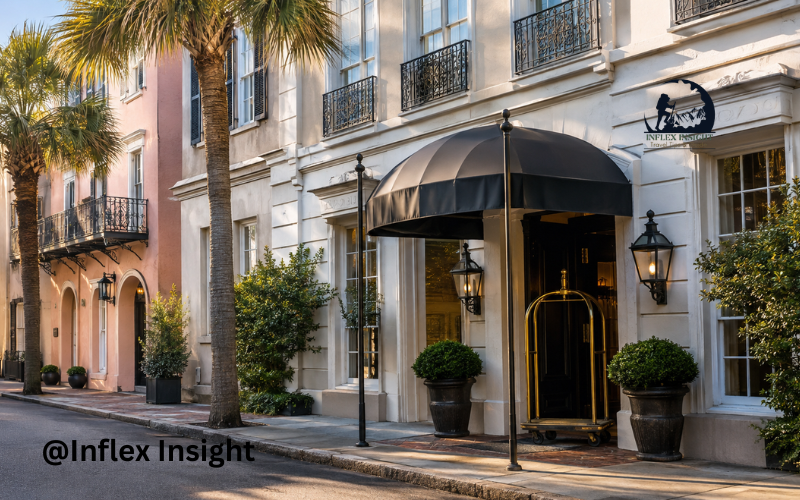
Downtown Charleston hotels put travelers close to the historic streets, restaurants, shops, waterfront views, and well-known attractions of Charleston, South Carolina. Staying downtown can make a trip especially convenient because many popular places are within walking distance or a short ride away.
However, downtown Charleston offers many different hotel experiences. Some properties are set inside historic buildings with traditional architecture, while others offer a more modern style with pools, fitness centers, restaurants, and larger rooms. Prices also vary considerably depending on location, hotel type, season, and local events.
The right choice depends on your budget, preferred atmosphere, transportation plans, and travel style. This guide explains the main areas, hotel types, amenities, parking considerations, and booking factors to help you find accommodation that fits your trip.
Downtown Charleston Hotels at a Glance
Downtown Charleston has everything from small historic inns and boutique properties to full-service hotels and luxury stays. The official Charleston tourism guide currently lists dozens of downtown accommodation options, so travelers have a broad selection of styles.
Rates are generally higher in the most convenient parts of the Historic District, particularly during popular weekends and event dates. Luxury properties usually sit at the upper end, while simpler hotels and properties around the edges of downtown may provide better value.
Best Areas to Stay in Downtown Charleston
The Historic District is a natural choice for first-time visitors. It puts historic architecture, restaurants, museums, and many sightseeing spots close at hand.
The French Quarter works particularly well for travelers who want an atmospheric setting close to Charleston City Market, galleries, historic sites, and the waterfront. It can be especially appealing to couples and visitors planning to explore mostly on foot.
The King Street area is convenient for shopping, restaurants, nightlife, and city activity. Upper King generally has a livelier atmosphere, so light sleepers should check recent reviews about street noise before booking.
Staying around Market Street and Charleston City Market gives visitors a very central base. Waterfront locations are appealing for views and easy access to Waterfront Park.
Travelers who prefer quieter surroundings can look farther south toward the more residential sections of the historic peninsula. Hotel choices may be more limited there, but the atmosphere can feel calmer.
Best Downtown Charleston Hotels by Traveler Type
Couples may prefer a smaller boutique inn, historic property, or luxury hotel near the French Quarter or waterfront. Families often benefit more from extra room, breakfast options, a pool, or accommodation that makes sightseeing easy without constant driving.
Solo travelers may value a central, well-connected location, while business travelers might prioritize reliable Wi-Fi, meeting facilities, a fitness center, and easy transportation.
First-time visitors generally benefit from staying near major attractions. Groups planning a weekend trip should consider larger rooms, suites, or properties with common spaces and nearby dining.
Luxury Hotels in Downtown Charleston
Luxury downtown stays generally combine a prime location with higher service levels and amenities such as spas, rooftop spaces, pools, restaurants, room service, and concierge assistance.
For example, Hotel Bennett overlooks Marion Square and offers a spa, rooftop pool, restaurants, and other upscale amenities.
Luxury hotels make the most sense for travelers who plan to spend time enjoying the property itself. If most of your days will be spent sightseeing, deciding how much you value those additional amenities can help determine whether the extra cost is worthwhile.
Boutique and Historic Hotels in Downtown Charleston
Charleston’s history is one reason many visitors choose a boutique or historic property. These hotels may include traditional architecture, courtyards, older building details, and individually styled rooms.
The experience can feel more personal than staying in a large conventional hotel. However, historic character can sometimes mean smaller rooms, unusual layouts, limited elevators, or fewer modern facilities.
Before booking, check whether the building provides the accessibility, room layout, climate control, and amenities you require. A charming historic building is only a good choice if it also meets your practical needs.
Affordable Downtown Charleston Hotels
Finding genuinely inexpensive accommodation in central Charleston can be difficult on high-demand dates, but travelers still have ways to control costs.
Start by comparing properties beyond the most famous streets. A hotel a little farther from the waterfront or main sightseeing zone may offer better value while keeping downtown accessible.
Look at the total stay price, not simply the advertised nightly rate. Breakfast, Wi-Fi, parking, and other charges can change the real cost considerably. Flexible travel dates can also make it easier to find lower rates.
Downtown Charleston Hotels Near Popular Attractions
Hotels near Charleston City Market provide convenient access to the central visitor area. Staying around King Street works well for travelers interested in shopping and dining.
The French Quarter and nearby waterfront area are convenient for Waterfront Park and several historic streets. Visitors interested in Rainbow Row, The Battery, historic churches, museums, and architecture may prefer the lower part of the Historic District.
Instead of choosing the hotel closest to one attraction, look at your entire itinerary and select a location near several places you intend to visit.
Walkability and Getting Around From Your Hotel
Many travelers staying downtown can explore a large part of central Charleston on foot. The compact historic area makes walking especially useful when sightseeing, although Charleston’s summer heat and uneven historic surfaces should be considered.
For longer downtown trips, Charleston’s DASH shuttle is free and serves locations around the historic peninsula, including areas near King Street and Waterfront Park.
Rideshare services can handle trips that are less convenient on foot. If your itinerary is focused almost entirely on downtown, you may find that a car adds more parking expense than convenience.
Parking at Downtown Charleston Hotels
Parking is an important detail because it may not be included in your room rate. Some downtown hotels rely on valet parking, while others use nearby garages.
The City of Charleston operates multiple downtown garages in addition to metered parking, and privately operated facilities are also available. Current locations and rates are published through the city’s official parking information.
Before reserving a room, check the hotel’s latest parking price, whether overnight access is included, and whether you can take your vehicle in and out without additional charges.
Hotel Amenities That Matter Most in Downtown Charleston
The most useful amenities depend on how you travel. Free or included breakfast can be convenient for families, while an on-site restaurant may matter more after a full day of walking.
A pool or outdoor terrace can be valuable during warmer months. Business travelers may prioritize Wi-Fi, workspaces, meeting rooms, and fitness facilities.
Pet owners should confirm current pet rules and fees directly with the property. Families may want connecting rooms, larger beds, refrigerators, or suites. Travelers with mobility needs should confirm accessible entrances, elevators, bathrooms, and room features before arriving.
Choosing Between a Historic Hotel and a Modern Hotel
Historic hotels offer an experience closely connected to Charleston’s architecture and atmosphere. Rooms may feel distinctive, and the building itself can become part of the trip.
Modern properties often provide more predictable room layouts and facilities. They may be a better fit for travelers who prioritize space, accessibility, or contemporary amenities.
Neither option is automatically better. Choose a historic hotel for character and atmosphere or a modern property when convenience and predictable facilities matter more.
Best Times to Book Downtown Charleston Hotels
Hotel availability and prices depend heavily on demand. Pleasant-weather weekends, holidays, festivals, weddings, and other major events can increase competition for centrally located rooms.
Travelers with flexible schedules should compare several dates and consider weeknight stays, which can sometimes offer better availability than busy weekends.
If your trip coincides with a major event or you want a particular boutique property, booking earlier gives you more choices. Always review cancellation terms, especially when making reservations months ahead.
How to Choose the Right Downtown Charleston Hotel
Start with the total amount you are comfortable spending, including taxes, parking, and other property charges. Then choose the part of downtown that best matches your planned activities.
Focus on amenities you will actually use rather than choosing a hotel simply because it offers the longest list of extras. A traveler spending every day exploring may value a great location more than an elaborate pool or spa.
Finally, read recent guest reviews. Pay particular attention to repeated comments about cleanliness, noise, room size, parking, and service. Recent reviews can reveal details that photographs and hotel descriptions may not show.
Common Mistakes to Avoid When Booking a Downtown Charleston Hotel
One common mistake is comparing only the nightly room rate. Parking and property fees can make a seemingly inexpensive hotel cost more than expected.
Travelers also sometimes underestimate distances. A property described as being in or near Charleston may not necessarily put you within easy walking distance of the Historic District.
Another mistake is ignoring the surrounding atmosphere. A lively King Street location may be perfect for nightlife but less suitable for someone seeking a quiet evening. Checking the exact address, map location, recent reviews, room size, and accessibility details can prevent disappointment.
Conclusion
Choosing among downtown Charleston hotels comes down to finding the right balance of location, price, comfort, and atmosphere. The Historic District offers excellent access to Charleston’s best-known sights, while King Street, the French Quarter, waterfront areas, and quieter sections each provide a different experience.
Before booking, compare the total cost, exact location, parking, amenities, and recent reviews. The best downtown Charleston hotel is ultimately the one that fits how you actually want to spend your trip.
FAQs
1. What is the best part of downtown Charleston to stay in?
For many first-time visitors, the Historic District is the most convenient choice because it provides easy access to sightseeing, restaurants, shops, and historic streets. The French Quarter is particularly attractive for historic atmosphere and waterfront access, while King Street suits visitors interested in shopping and nightlife.
2. Is downtown Charleston walkable from most hotels?
Many centrally located downtown hotels make it possible to reach multiple attractions on foot. How comfortable this is depends on the hotel’s exact address, your itinerary, weather, and personal mobility. The free DASH shuttle can also help with some longer downtown journeys.
3. Do you need a car when staying in downtown Charleston?
Not necessarily. Travelers concentrating on downtown attractions can often combine walking, DASH transportation, and rideshares. A car becomes more useful when visiting beaches, plantations, or other destinations outside the central peninsula.
4. Are downtown Charleston hotels expensive?
They can be, especially in prime Historic District locations and during high-demand dates. Luxury hotels tend to command the highest rates, while simpler properties and hotels slightly farther from the busiest areas may provide better value. Comparing several dates and calculating the total price, including parking, is the best approach.