
Introduction
Fall in California is a season that often surprises people. While many imagine autumn as a time of cold air, falling leaves, and early sunsets, California offers a different experience. Here, fall feels calmer, warmer, and more balanced than in many other places. The intense heat of summer fades, the air becomes clearer, and daily life slows into a comfortable rhythm.
What makes fall in California feel special is how gentle the transition is. Instead of a sharp change, the season unfolds gradually. Beaches, mountains, deserts, and valleys all respond differently, creating a wide range of fall experiences within one state. This variety is part of California’s charm and why fall is quietly loved by both locals and visitors.
In this article, you will learn what truly defines fall in California, how the weather changes across regions, where fall colors appear, and why this season is often considered the best time to explore the state. It also covers lifestyle benefits, cultural traditions, and practical planning tips to help you understand what makes this season stand out.
What Defines Fall in California
Fall in California does not follow the traditional autumn pattern seen in many parts of the world. In most regions, trees do not suddenly turn red and gold, and temperatures rarely drop sharply. Instead, fall is defined by milder days, cooler nights, and a noticeable sense of relief after summer.
One key difference is the climate. California’s geography stretches from the Pacific coast to high mountain ranges and dry deserts. Because of this, fall arrives in layers. Coastal areas may feel almost unchanged at first, while inland regions cool down more quickly. Mountain areas experience fall earlier, often becoming the first places to show seasonal color.
Many people consider fall the hidden best season in California because it offers comfort and flexibility. Outdoor activities become more enjoyable, travel feels less rushed, and daily routines feel lighter. There is less pressure to escape heat or weather extremes, making fall feel naturally balanced.
Weather Patterns Across California in Fall
Weather plays a major role in shaping fall in California. As summer ends, daytime temperatures slowly drop, but the change is rarely sudden. September often still feels warm, especially inland, while October and November bring cooler air and more stable conditions.
Along the coast, fall is often warm and pleasant. Fog becomes less common, skies stay clear, and ocean breezes remain gentle. Many coastal cities experience what locals call the best weather of the year during fall, with sunny days and mild evenings.
Inland areas such as valleys and deserts cool more noticeably. Days remain warm but not overwhelming, and nights become comfortably cool. This makes fall ideal for outdoor time without the intensity of summer heat. Mountain regions, including the Sierra Nevada, experience crisp air and colder nights earlier in the season, signaling the approach of winter.
Overall, fall in California offers some of the most comfortable weather of the year. There is less extreme heat, fewer storms, and more predictable conditions, making it easier to plan activities and travel.
Fall Colors and Natural Landscapes
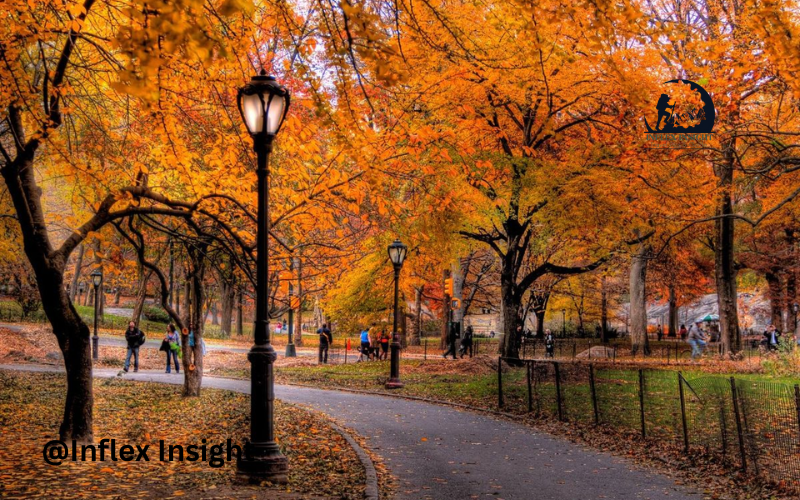
Although California is not famous for classic autumn foliage, fall colors do appear in certain regions. The timing and intensity depend heavily on elevation and location. Mountain areas and places with deciduous trees are the first to show change, often starting in late September.
Eastern Sierra regions are especially known for fall colors. Aspen groves turn bright yellow, creating striking contrast against rocky landscapes and clear blue skies. Some parts of Northern California also display fall foliage, especially near rivers and higher elevations.
Geography plays a big role in shaping fall scenery. Coastal areas focus more on light and atmosphere than color, with golden sunlight, clear horizons, and calm ocean views. Deserts take on softer tones as temperatures cool, while valleys show subtle seasonal shifts through vineyards and farmland.
Fall highlights California’s natural diversity. Instead of one dominant visual theme, the season reveals different forms of beauty across the state, each shaped by climate and landscape.
Seasonal Activities Unique to Fall in California
Fall in California opens the door to activities that feel difficult or uncomfortable during summer. Cooler weather makes hiking, biking, and exploring outdoor spaces more enjoyable. Trails that feel crowded or too hot in summer become welcoming again.
This season also creates a balance between energy and calm. There is still enough warmth to enjoy beaches, lakes, and outdoor dining, but without the rush of peak tourist season. National parks and scenic routes feel more accessible, allowing visitors to move at a relaxed pace.
Fall also encourages exploration. Coastal drives, mountain getaways, and countryside trips feel easier to plan and more rewarding. The season supports both active adventures and quiet experiences, giving people the freedom to choose how they spend their time.
Travel and Lifestyle Benefits of Fall
For many, fall in California is the most enjoyable time of year. Travelers appreciate fewer crowds, smoother transportation, and more availability. Popular destinations feel less hectic, allowing for deeper and more meaningful experiences.
Locals often enjoy fall because daily life becomes more comfortable. Commuting, exercising, and social activities feel easier without extreme weather. The pace of life slows slightly, creating space for reflection and routine.
The overall atmosphere during fall is calmer and more grounded. There is a sense of transition without urgency, making it easier to enjoy the present moment. This balance is one reason fall supports a more relaxed California lifestyle.
Cultural and Seasonal Traditions During Fall
Cultural life also shifts during fall in California. Communities begin to gather around seasonal events that reflect local character rather than large-scale tourism. Harvest-related traditions become more visible in agricultural regions, while arts and cultural events return after the summer lull.
Schools and universities resume full schedules, bringing renewed structure and energy to cities and towns. This creates a subtle cultural reset, where routines return but with a calmer tone than earlier in the year.
As the season progresses, people begin preparing for winter without rushing into it. Decorations, food, and social habits slowly change, reflecting the seasonal shift in a gentle way. Fall in California feels less about dramatic change and more about quiet adjustment.
Planning Around the Fall Season
Planning around fall in California depends on timing and location. September often feels like an extension of summer, especially in coastal and southern areas. October marks the true middle of fall, with cooler air and more noticeable seasonal change. November brings colder nights and signals the approach of winter, especially in higher elevations.
Understanding these differences helps with travel and lifestyle planning. Early fall works well for beach visits and warm-weather activities, while later fall suits mountain trips and scenic drives. Flexibility is key, as the season offers many options rather than one fixed experience.
Fall also fits well into long-term planning. It is a natural pause between busy summer months and the holidays that follow. Many people use this time to reset routines, explore new places, or simply enjoy a slower pace before winter arrives.
Conclusion
Fall in California stands out because it offers balance rather than extremes. The season blends comfort, beauty, and flexibility in a way that feels natural and welcoming. Instead of dramatic changes, fall unfolds gently, shaped by geography and climate.
From mild weather and scenic landscapes to relaxed travel and cultural shifts, fall in California creates space to enjoy the state at its best. It supports both activity and rest, making it a season that feels complete without needing attention or promotion.
For anyone looking to experience California in a calm, comfortable, and rewarding way, fall offers a quiet invitation to slow down and appreciate what the state has to offer.
FAQs
1. What months are considered fall in California?
Fall in California usually runs from September through November, with weather changes happening gradually rather than suddenly.
2. Does California have fall colors?
Yes, but not everywhere. Fall colors are most visible in mountain areas, Northern California, and places like the Eastern Sierra.
3. Is fall a good time to visit California?
Yes, fall is one of the best times to visit California because of mild weather, fewer crowds, and more comfortable travel conditions.
4. Is California cold during fall?
Most regions stay mild. Coastal and inland areas remain comfortable, while mountain regions can get cold, especially later in the season.
5. What makes fall in California different from other states?
Fall in California is less dramatic but more comfortable, with warmer temperatures, gradual changes, and diverse experiences across regions.