
Introduction
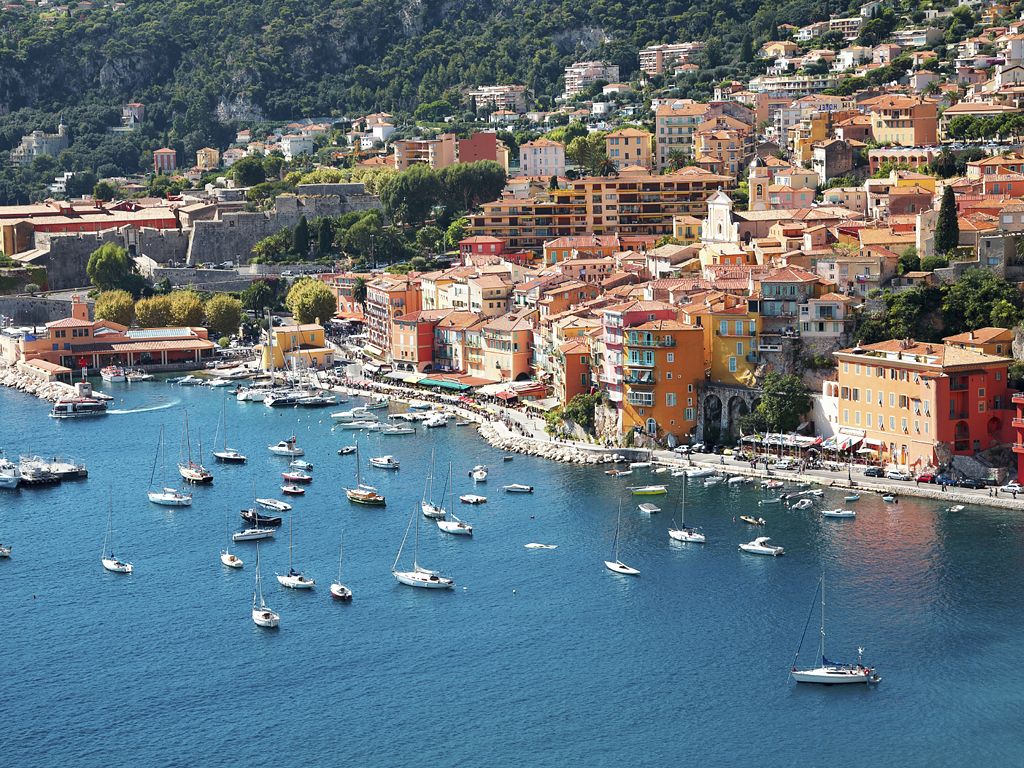
The French Riviera, also known as the Côte d’Azur, is one of those places people dream about long before they ever visit. Stretching along the sparkling Mediterranean coast of southeastern France, it is famous for its blue waters, sunny weather, elegant seaside towns, and relaxed yet glamorous lifestyle. For more than a century, artists, celebrities, and travelers have come here for the same reasons: beautiful scenery, great food, and a slower pace of life that feels both luxurious and welcoming.
Today, the French Riviera remains one of Europe’s most iconic travel destinations. You can walk through colorful old towns in the morning, swim in clear water by afternoon, and enjoy dinner at a seaside café as the sun sets over the harbor. At the same time, the region continues to evolve. Recent travel updates, including weather-related disruptions in early 2026 and improvements to local transport and tourist passes, mean visitors should plan a little more carefully than before. With the right preparation, however, a trip to the French Riviera can be smooth, memorable, and deeply rewarding.
What and Where Is the French Riviera?
The French Riviera is the Mediterranean coastline that runs along the far southeast of France, close to the Italian border. It begins roughly around Toulon and stretches east through Nice, Cannes, and Monaco before reaching Menton. The French name, Côte d’Azur, means “Coast of Blue,” a reference to the bright blue sea that defines the landscape.
But the French Riviera is more than just a line on a map. It has its own atmosphere and identity. The culture blends French elegance with Italian warmth, and life often revolves around the outdoors. People spend time walking along the sea, shopping at open-air markets, and sitting at cafés with friends. Even though the area is known for luxury yachts and expensive villas, everyday life still feels simple and local. Small bakeries, family restaurants, and quiet village streets sit side by side with five-star hotels and designer shops. This contrast is part of what makes the French Riviera so special.
The Essential Towns and Cities to Experience
Nice
Nice is often considered the heart of the French Riviera. It combines history, culture, and beach life in one easygoing city. The famous Promenade des Anglais runs along the sea and is perfect for walking or cycling while enjoying wide views of the Mediterranean. In the Old Town, narrow streets are filled with colorful buildings, small shops, and lively markets like Cours Saleya, where you can buy flowers, fruit, and local specialties.
Nice also has great museums, a busy food scene, and good transport connections, making it an ideal base for exploring the rest of the Côte d’Azur.
Monaco
Just a short ride from Nice, Monaco feels like another world. This tiny independent state is known for wealth, luxury, and glamour. The Casino de Monte-Carlo, elegant hotels, and superyachts in the harbor create a very polished atmosphere. Each year, the streets transform into a racetrack for the Formula 1 Grand Prix, one of the most famous events in motorsport.
Even if you are not staying in Monaco, it is worth visiting for a day to see the Prince’s Palace, enjoy the views, and experience its unique style.
Cannes
Cannes is best known for the Cannes Film Festival, which brings filmmakers and celebrities from around the world. Yet outside festival season, the city feels relaxed and pleasant. La Croisette, the long seaside boulevard, is lined with palm trees, beaches, and cafés. The old quarter, Le Suquet, offers quieter streets and beautiful views over the port.
Cannes mixes elegance with a friendly coastal charm, making it a great place to stroll and enjoy the scenery.
Saint-Tropez
Once a small fishing village, Saint-Tropez has become a symbol of the jet-set lifestyle. Luxury boats fill the marina, and beach clubs along Pampelonne Beach attract visitors looking for sun and fun. Despite its reputation, the town still has a charming historic center with pastel houses, small squares, and local markets.
If you visit early in the morning or outside peak season, you can see the calmer, more authentic side of Saint-Tropez.
Menton
Close to the Italian border, Menton has a softer and more relaxed feel. It is often called the “Pearl of France” because of its colorful buildings and mild climate. Lemon trees grow well here, and the town celebrates this with a cheerful Lemon Festival each February. The beaches are quieter, and the old town is perfect for slow walks and photography.
Èze
Èze sits high above the coast on a rocky hilltop and looks like something from a fairy tale. Its medieval streets, stone houses, and gardens offer breathtaking views of the sea. Visiting Èze feels like stepping back in time. It is small but unforgettable and easily reached from Nice or Monaco.
The Riviera Lifestyle: Beaches, Yachts, Markets, and Mediterranean Charm
Life on the French Riviera moves at its own gentle rhythm. Mornings often start with coffee and a croissant at a neighborhood café. Later, people head to the beach or walk along the promenade. Marinas fill with yachts, fishermen prepare their boats, and markets sell fresh vegetables, cheese, and flowers.
Even if you are not interested in luxury, you will still enjoy the simple pleasures. Sitting by the water with a book, watching the sunset, or sharing a long lunch with friends are everyday experiences here. The Riviera lifestyle is not only about glamour. It is about enjoying the moment and appreciating the sea, the light, and the warm weather.
When to Visit the French Riviera for the Best Weather and Fewer Crowds?
The French Riviera is sunny for much of the year, but each season offers a different experience. Summer, especially July and August, is the busiest time. The weather is hot, the beaches are lively, and prices are higher. This is great if you enjoy energy and events, but it can feel crowded.
Many travelers prefer June and September. The weather is still warm, the sea is perfect for swimming, and there are fewer tourists. These months offer the best balance between comfort and atmosphere.
Winter is quieter and cooler, yet still mild compared to most of Europe. It can be a peaceful time to explore towns without crowds, though some beach clubs and attractions may close.
Getting Around the Côte d’Azur with Ease
Traveling around the French Riviera is surprisingly easy. The regional TER trains connect most coastal towns, and the journey itself is beautiful, with views of the sea almost the entire way. Trains are often faster and less stressful than driving.
Local buses are affordable and reach smaller villages, while many town centers are compact enough to explore on foot. For visitors planning to see museums and attractions, the French Riviera Pass can be helpful. It offers free or discounted entry to major sites and includes public transport, making it convenient and cost-effective.
Beaches and Swimming: What to Expect Before You Pack?
One thing that surprises many first-time visitors is that not all beaches on the French Riviera are sandy. In places like Nice, the beaches are made of smooth pebbles called galets. They are clean and beautiful but can be uncomfortable without proper footwear. Water shoes make a big difference.
You will also find a mix of public and private beaches. Public beaches are free and open to everyone, while private beach clubs charge a fee for sunbeds and services. Both options have their advantages, so it depends on your style and budget.
Events and Festivals That Shape the Riviera Calendar
The French Riviera hosts many events throughout the year. The Cannes Film Festival remains the most famous, turning the city into an international spotlight for cinema. In 2026, the French Riviera Film Festival for short-form content will again take place alongside the main Cannes events, adding even more creative energy to the season.
Menton’s Lemon Festival brings colorful parades and sculptures made entirely of citrus fruit, while local music, food, and art festivals happen in many towns. These events give visitors a deeper look into regional culture beyond the beaches.
Latest Travel Updates and Practical Tips for 2026
Recent months have brought a few changes travelers should know about. In early February 2026, an unusually strong storm caused flooding in Antibes and led to temporary road closures across parts of the Alpes-Maritimes department. While most services have resumed, it is wise to check local transport updates before traveling.
Infrastructure continues to improve, and tools like the French Riviera Pass make sightseeing easier. Booking trains and accommodations in advance is also recommended, especially during busy seasons.
Where to Stay Along the French Riviera?
Accommodation on the French Riviera ranges from simple guesthouses to luxury resorts. Nice offers the widest choice and good value, making it ideal for first-time visitors. Cannes and Monaco focus more on upscale hotels, while smaller towns like Menton and Èze provide quieter, boutique options.
Choosing where to stay depends on your travel style. Some prefer the energy of a city, while others enjoy a peaceful village with sea views. Either way, you are rarely far from the water.
Sample Itineraries for Exploring the French Riviera
If you only have a few days, basing yourself in Nice and taking day trips to Monaco, Cannes, and Èze works well. With a week, you can add Saint-Tropez and Menton for a broader experience. Longer stays allow for slow travel, scenic train rides, and time to simply relax by the sea.
The region is compact, so even short trips feel rich and varied.
Food, Markets, and Local Flavors of the Côte d’Azur
Food is an important part of life on the French Riviera. Dishes are light, fresh, and influenced by both Provence and Italy. You will find seafood, olive oil, vegetables, and herbs in many meals. Specialties like salade niçoise, socca, and ratatouille reflect local traditions.
Open-air markets are the best places to taste the region. Walking through stalls of fresh produce and baked goods gives you a real sense of everyday life.
Common Travel Mistakes and Smart Planning Advice
Many visitors try to see too much in one day or underestimate travel times during peak season. Slowing down and focusing on fewer places often leads to a better experience. Wearing comfortable shoes, booking early, and checking beach types in advance can also save frustration.
A little planning goes a long way on the French Riviera.
Conclusion
The French Riviera continues to capture the imagination of travelers from around the world. With its blue waters, charming towns, rich culture, and relaxed lifestyle, it offers something for almost everyone. Whether you come for beaches, history, food, or simply sunshine, the Côte d’Azur rewards those who take the time to explore it thoughtfully.
With up-to-date information and smart planning, a trip to the French Riviera in 2026 can be smooth, enjoyable, and truly unforgettable.
FAQs
Where exactly is the French Riviera located?
It’s in southeastern France along the Mediterranean coast, stretching from around Toulon to the Italian border, including Nice, Cannes, and Monaco.
What is the best time to visit the French Riviera?
June and September offer warm weather with fewer crowds. July and August are lively but busy and more expensive.
Are French Riviera beaches sandy or rocky?
Many beaches, especially in Nice, are pebbly rather than sandy. Water shoes make walking and swimming more comfortable.
How many days do you need for the French Riviera?
Four to seven days is perfect to explore major towns like Nice, Cannes, Monaco, and nearby villages without rushing.
Is the French Riviera expensive to visit?
It can be, but you can travel on a budget by using trains, staying in Nice or Menton, eating at local markets, and using public beaches.