
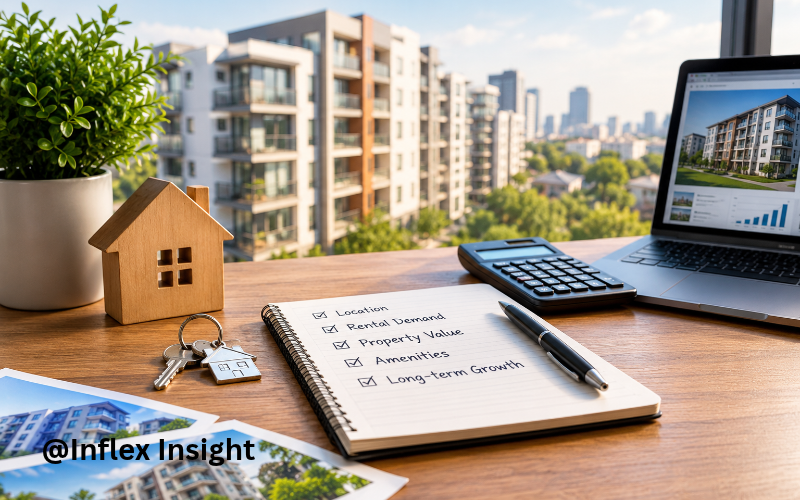
Buying an apartment can be a smart way to build wealth over time. Yet a beautiful building does not always make a good investment. The location, ongoing costs, and demand from renters all affect the value of your choice.
Before you commit, think about both today’s numbers and your future plans. A clear checklist can help you compare properties without rushing. These four steps will help you choose with greater care.
Look Beyond the Apartment’s Front Door
Location can shape rental demand and future resale value. A home near shops, jobs, and public transport may appeal to more people. Check how easy it is to reach daily services from the building.
Visit the area at different times, not just during a quiet afternoon. Notice traffic, noise, lighting, and the condition of nearby streets. Ask about planned construction that could change the area.
Check whether the area has parks, schools, and other services that draw long-term residents over time.
When exploring communities such as Sentosa at Beachwalk, use the neighborhood as a starting point for your research. Confirm whether apartments are offered for purchase or rent before treating any listing as an investment opportunity. A well-liked rental community is not always a property you can buy.
Run the Numbers Before Making an Offer
The asking price is only part of the cost. Owners may also pay property taxes, insurance, association fees, and repair bills. These expenses can reduce the income a rental brings in.
Estimate monthly rent using similar local units, not just a seller’s forecast. Then subtract routine costs and allow for months without a tenant. This gives you a more realistic view of potential cash flow.
Review these items before deciding:
- Purchase price and fees
- Expected monthly rental income
- Building maintenance costs
- Insurance and property taxes
- Savings for empty months
Check the Building’s Long-Term Condition
Fresh paint can hide problems that cost money later. Look closely at the roof, plumbing, heating, and shared areas. Hire a qualified inspector to check the unit before you buy.
For a condo, review association records and planned building repairs. Large projects may lead to special fees for owners. Ask about rules for renting out the apartment as well.
Think about what future tenants will need. Practical storage, safe access, and an easy-to-clean layout can matter more than costly finishes. Durable materials may also help keep upkeep manageable.
Plan for Changes in the Market
Property prices and rental demand can move in either direction. A good investment plan should still make sense if rent grows slowly. Consider how long you can hold the property before you may need to sell.
Compare several buildings instead of falling in love with one unit. Check local vacancy rates and the supply of similar apartments. A property with fewer surprises may be more useful than one promising fast gains.
Build Value With Patient Choices
The right apartment investment starts with careful research, not a quick guess. Strong location, realistic costs, and sound building care can support your long-term goals. No property is free from risk.
Choose a place you can afford to hold through market changes. Want more tips on property decisions and smart planning? Explore our other blog posts for simple ideas and helpful advice.