
Introduction
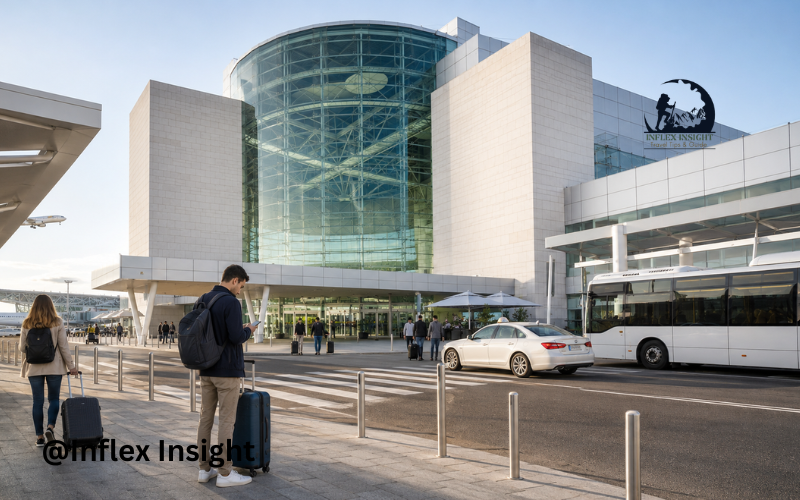
Humberto Delgado Airport is Lisbon’s main international airport and the most important air gateway for travelers visiting Portugal’s capital. Many people also know it as Lisbon Airport or by its older name, Portela Airport. If you are flying into Lisbon for a city break, business trip, cruise connection, or onward journey through Portugal, there is a strong chance your trip will begin or end here.
The airport is important because it connects Lisbon with many cities across Europe, the Americas, Africa, and other regions. It is also close to the city center, which makes arrivals and departures easier than at many larger airports outside major cities. This guide explains the airport’s location, terminals, transport options, flight routes, facilities, and practical travel tips so you can use Humberto Delgado Airport with more confidence.
Humberto Delgado Airport at a Glance
Humberto Delgado Airport is officially named Aeroporto Humberto Delgado and uses the airport code LIS. Travelers may see it written as Lisbon Airport, Lisbon Humberto Delgado Airport, or simply LIS on flight tickets and booking websites. It is located in Lisbon and serves as the main airport for the Lisbon metropolitan area.
The airport handles both international and domestic flights. It is especially important for travelers flying to and from Portugal, including those connecting to other Portuguese cities, Madeira, the Azores, Europe, Brazil, and parts of Africa. The official Lisbon Airport website provides live arrivals, departures, airline information, destinations, parking, and access details, which makes it a useful place to check before traveling.
Where Humberto Delgado Airport Is Located
Humberto Delgado Airport is located within Lisbon, in the northern part of the city. This is one reason travelers often find it convenient. Unlike many major airports that sit far outside the city, Lisbon Airport is close enough that passengers can reach central areas without a long transfer.
The airport is commonly described as being around 7 kilometers northeast of Lisbon’s historic center. This makes it practical for tourists staying in popular areas such as Baixa, Chiado, Avenida da Liberdade, Alfama, or Parque das Nações. Its location also gives travelers access to major roads, public transport, taxis, ride-hailing services, and the metro system.
Terminals at Humberto Delgado Airport
Humberto Delgado Airport has two passenger terminals: Terminal 1 and Terminal 2. Terminal 1 is the main terminal and is used for most arrivals and many departures. It has the widest range of services, check-in areas, shops, restaurants, transport access, and passenger facilities.
Terminal 2 is smaller and is mainly used for departures by several low-cost airlines. According to the official airport information, passengers going to Terminal 2 should first reach Terminal 1 by public transport and then take the free airport shuttle to Terminal 2. The shuttle runs from early morning until after midnight and takes only a few minutes between terminals.
Before arriving at Humberto Delgado Airport, always check your airline, terminal, and flight status. This is especially important because some travelers assume all flights leave from Terminal 1, while some low-cost departures may use Terminal 2.
Airlines and Flight Routes from Humberto Delgado Airport
Humberto Delgado Airport serves a wide range of airlines and routes. It is closely linked with Portuguese and European travel, but it also supports long-haul routes to destinations outside Europe. TAP Air Portugal has a major role at Lisbon Airport, and the airport is also used by low-cost carriers and international airlines.
Travelers often use Humberto Delgado Airport for flights within Portugal, including connections to Porto, Madeira, and the Azores. It also connects Lisbon with major European cities such as Madrid, Paris, London, Amsterdam, Rome, Frankfurt, and Barcelona. Long-haul travelers may find routes to Brazil, North America, and parts of Africa.
Flight routes and airline operations can change, so it is always best to confirm your departure terminal, baggage rules, and check-in time directly with your airline or the official airport website before you travel.
Arriving at Humberto Delgado Airport
When you arrive at Humberto Delgado Airport, you will follow signs for passport control, baggage claim, and exits. If you are arriving from within the Schengen Area, the passport process may be quicker. If you are arriving from outside the Schengen Area, you may need to pass through border control before collecting luggage.
After baggage claim, you can follow airport signs toward taxis, metro, buses, car rental, or meeting points. Because the airport is busy, it is helpful to move calmly and check the signs instead of rushing. If someone is picking you up, agree on a clear meeting place in advance.
Departing from Humberto Delgado Airport
For departures, your first step is to check the correct terminal. Terminal 1 handles most flights, while Terminal 2 is mainly linked with low-cost departures. If your flight leaves from Terminal 2, allow extra time to reach Terminal 1 first and then take the shuttle.
Check-in and baggage drop times depend on your airline and destination. Security lines can be quick at some times and slower during busy travel periods. Non-Schengen flights may also require passport control after security, so passengers should not leave everything until the last minute. Arriving early is a smart choice, especially during summer, holidays, weekends, and early morning flight waves.
Getting from Humberto Delgado Airport to Lisbon City Center
One of the easiest ways to reach central Lisbon from Humberto Delgado Airport is the metro. The airport is connected to Lisbon’s metro network, and the Aeroporto station gives travelers a simple route into the city. The metro is often a good choice for solo travelers, light packers, and visitors staying near metro stations.
Taxis and ride-hailing services are also available and can be more comfortable if you have heavy luggage, children, or a late arrival. Buses can work well for some routes, but they may be less convenient if you are carrying large bags. Private transfers are useful for travelers who want a driver waiting at arrivals, while car rental is better for those planning to travel outside Lisbon rather than stay only in the city.
Moving Between Terminals at Humberto Delgado Airport
Moving between Terminal 1 and Terminal 2 is simple, but it does require planning. The terminals are not usually treated as one walkable space for passengers. Instead, travelers use the free airport shuttle.
The official Lisbon Airport information says passengers can take public transport to Terminal 1 and then use the free shuttle to Terminal 2. The shuttle leaves from the departures area of each terminal and the trip takes about 3 minutes.
If you are flying with a low-cost airline from Terminal 2, do not arrive at the airport too late. Even though the shuttle ride is short, you may need time to find the shuttle stop, wait for the next bus, check in, pass security, and reach your gate.
Facilities and Services Inside Humberto Delgado Airport
Humberto Delgado Airport offers the main services travelers expect from a busy international airport. Passengers can find food and drink options, shops, duty-free areas, ATMs, currency services, Wi-Fi, and charging points. Terminal 1 has the widest selection because it is the main terminal.
Passenger assistance services are also available for travelers with reduced mobility or special needs. It is best to request assistance through your airline before travel so the airport team can prepare properly. Fast Track security is also available as a paid service at Lisbon Airport, including at Terminal 1 and Terminal 2, according to ANA’s official booking information.
Security, Passport Control, and Waiting Times
Waiting times at Humberto Delgado Airport can vary depending on the time of day, season, airline schedule, and destination type. During peak travel periods, security and passport control may take longer. Flights outside the Schengen Area can involve extra checks, so passengers should leave enough time after security to reach the gate.
A common mistake is assuming that a short airport distance from the city means a short airport process. Lisbon Airport is close to the center, but it can still be busy inside. Give yourself extra time, keep your documents ready, and check gate information often.
Humberto Delgado Airport for First-Time Visitors to Lisbon
For first-time visitors, Humberto Delgado Airport is generally convenient because it is close to the city and has clear transport options. Still, it can feel busy, especially if several flights arrive or depart at the same time.
After landing, the best plan is to follow signs carefully, collect your bags, and decide whether metro, taxi, ride-hailing, or transfer is best for your situation. If you are tired after a long flight, a taxi or pre-booked transfer may be easier. If you are traveling light and want to save money, the metro is often a practical choice.
Hotels Near Humberto Delgado Airport
Staying near Humberto Delgado Airport can make sense if you have an early morning flight, a late arrival, a short layover, or a tight connection the next day. Airport hotels are also useful for families and business travelers who want to reduce stress before departure.
Before booking, check the hotel’s distance from the terminal, shuttle options, breakfast hours, check-in rules, and whether it is easy to reach by taxi or public transport. Some hotels may look close on a map but still require a taxi or shuttle because of roads around the airport.
Car Rental at Humberto Delgado Airport
Car rental at Humberto Delgado Airport can be useful if you plan to explore areas outside Lisbon, such as Sintra, Cascais, the Algarve, the Alentejo, or northern Portugal. It gives you flexibility, especially if your trip includes smaller towns, beaches, or countryside stays.
However, if you are staying only in Lisbon, public transport, walking, taxis, and ride-hailing services may be easier than driving. Lisbon has traffic, narrow streets in older neighborhoods, and limited parking in many central areas. Before renting a car, check insurance, fuel policy, toll payment options, deposit rules, and pickup location.
Common Traveler Mistakes at Humberto Delgado Airport
One of the most common mistakes at Humberto Delgado Airport is going to the wrong terminal. This usually happens with low-cost flights from Terminal 2. Another mistake is underestimating security or passport-control time, especially during summer and holiday periods.
Some travelers also arrive without checking transport options in advance. This can lead to stress after landing, especially at night or with luggage. Others assume that all low-cost airlines follow the same process, but airline rules can differ. The safest approach is to check your ticket, your airline’s instructions, and the airport’s official updates before leaving for the airport.
Practical Tips for a Smoother Airport Experience
A smoother trip through Humberto Delgado Airport starts with preparation. Check your flight status and terminal before you leave your hotel or home. Keep your passport, boarding pass, and travel documents easy to reach. If you are departing during a busy season, allow extra time.
Plan your transport before arrival. Use the metro if you want a simple and budget-friendly option with light luggage. Choose a taxi, ride-hailing service, or transfer if comfort matters more. Inside the airport, follow official signs and screens rather than relying only on old screenshots or travel blogs.
Future Plans and Changes Around Humberto Delgado Airport
Humberto Delgado Airport has faced pressure from growing passenger demand, and Portugal has been planning a new airport to serve Lisbon in the future. Reuters reported that Portugal chose Alcochete, across the Tagus River from Lisbon, as the site for a new airport intended to replace the current Humberto Delgado Airport, while the existing airport would continue to be expanded during the transition.
The Portuguese government also stated that an expansion plan for Humberto Delgado Airport is important until the future Luís de Camões Airport begins operating. For today’s travelers, the key point is simple: Humberto Delgado Airport remains Lisbon’s main airport, but passengers should check updated information before flying because airport improvements and long-term plans may affect services over time.
Conclusion
Humberto Delgado Airport is the main air gateway to Lisbon and one of the most important airports in Portugal. Its location close to the city center makes it convenient, but travelers should still plan carefully because the airport can be busy. Knowing your terminal, checking your flight status, allowing enough time, and choosing the right transport option can make your experience much easier.
Whether you are arriving in Lisbon for the first time or leaving Portugal after a trip, Humberto Delgado Airport is easier to use when you understand its terminals, transport links, services, and common travel challenges.
FAQs
1. What is Humberto Delgado Airport?
Humberto Delgado Airport is Lisbon’s main international airport. It is also commonly called Lisbon Airport and uses the airport code LIS.
2. Is Humberto Delgado Airport close to Lisbon city center?
Yes. Humberto Delgado Airport is located within Lisbon and is only a short distance from the central areas of the city, which makes transfers easier than at many airports outside major capitals.
3. Which terminal should I use at Humberto Delgado Airport?
Terminal 1 is the main terminal and handles most flights and arrivals. Terminal 2 is mainly used for some low-cost departures. Always check your airline and ticket before traveling.
4. How do I get from Humberto Delgado Airport to central Lisbon?
You can travel by metro, taxi, ride-hailing service, bus, private transfer, or rental car. The metro is often best for light luggage, while taxis and transfers are easier for families or heavy bags.
5. How early should I arrive at Humberto Delgado Airport?
For short-haul flights, arriving around 2 hours early is usually sensible. For long-haul or non-Schengen flights, many travelers prefer around 3 hours, especially during busy seasons.