
Introduction
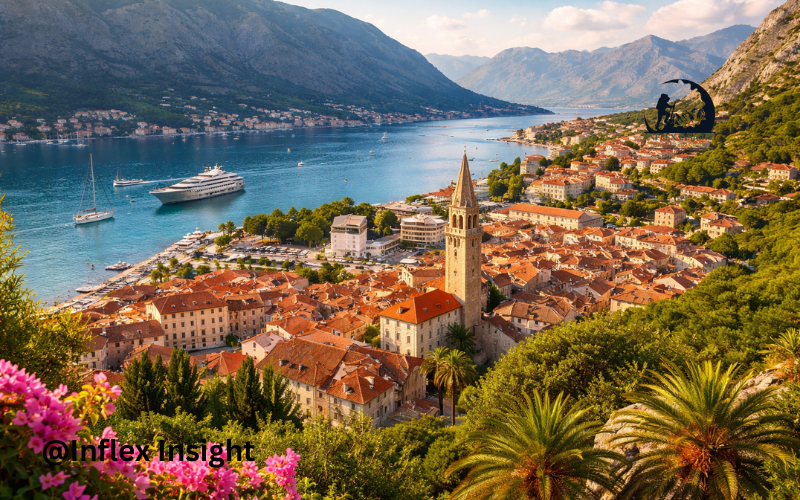
Kotora, Melnkalne is one of the most charming coastal cities in southeastern Europe. It is located in Montenegro, a small Balkan country on the Adriatic Sea known for its dramatic mountains and historic seaside towns. Kotora sits deep inside the Bay of Kotor, a winding coastal inlet surrounded by steep cliffs and calm blue water.
This city is famous for its rich history, well-preserved medieval architecture, and beautiful natural scenery. Travelers often come here to explore the old stone streets, enjoy views from the mountains above the town, and experience the relaxed coastal lifestyle. In this article, you will learn where Kotora is located, why its Old Town is protected by UNESCO, what makes the city unique, and when the best time is to visit.
Where Kotora Is Located in Montenegro
Kotora, Melnkalne lies on the Adriatic coast in the southwestern part of Montenegro. Unlike many coastal towns that face the open sea, Kotora sits inside the Bay of Kotor, a long and sheltered inlet that stretches inland like a natural harbor.
The bay has played an important role in the city’s history. Because of its protected waters and strategic position, Kotora became an important trading and naval center during medieval and Venetian times. Ships could safely anchor here, and the surrounding mountains provided natural defense.
Today, the bay still shapes life in Kotora. It brings cooler breezes during hot summers and creates the dramatic scenery that makes the city so recognizable. Visitors arriving by road, boat, or cruise ship often remember the moment when the mountains open and the Old Town appears along the shoreline.
The Old Town of Kotora and Its UNESCO Status
The Old Town of Kotora, Melnkalne is the heart of the city and the main reason many travelers visit. Its narrow streets, stone houses, and small squares create a medieval atmosphere that feels preserved in time. Walking through the gates of the Old Town feels like stepping into a different century.
The area is protected as a UNESCO World Heritage Site because of its historical value and architectural preservation. Many of the buildings date back hundreds of years and reflect strong Venetian influence, since the city was ruled by Venice for centuries. Churches, palaces, and defensive walls show how important Kotora once was as a coastal stronghold.
UNESCO recognition helps ensure that the Old Town is protected and maintained. Restoration projects focus on keeping the original character of the buildings while allowing the city to remain a living place where people still live and work.
St. John Fortress and the Famous View Above the City
Above Kotora rises the ruins of St. John Fortress, one of the most famous viewpoints in Montenegro. To reach it, visitors climb a steep path with more than a thousand stone steps that wind up the mountainside.
The climb can be challenging, especially during warm weather, but many travelers say the view from the top is worth the effort. From the fortress, you can see the red roofs of the Old Town, the calm waters of the bay, and the mountains stretching in every direction. The perspective helps visitors understand how geography shaped the city’s history and defenses.
The fortress itself dates back to medieval times and was part of a long defensive wall system that protected Kotora from attacks. Even in ruins, it remains one of the city’s most iconic landmarks.
Daily Life in Kotora’s Old Streets and Squares
Despite its historical importance, Kotora, Melnkalne is not only a museum-like town. It is also a place where everyday life continues within ancient walls. Small cafés fill the squares, local residents shop at bakeries, and visitors wander slowly through shaded alleys.
Walking through the Old Town is special because the streets twist in unexpected ways. You might discover a quiet courtyard, a tiny church, or a hidden terrace overlooking the sea. The atmosphere changes throughout the day. Mornings feel peaceful, afternoons become lively with visitors, and evenings bring a relaxed mood as people sit outside restaurants and enjoy the cooler air.
Why Kotora Is Known as the City of Cats
Kotora, Melnkalne is often called the city of cats, and the reason becomes clear as soon as you walk through the Old Town. Cats can be seen resting in sunny corners, wandering through squares, or sitting near cafés waiting for friendly attention.
The city has developed a special connection with these animals over time. Cats were historically valued for protecting food stores from rodents, especially in port towns like Kotora. Over the years, they became part of the city’s identity and charm.
Today, visitors can even find a small Cat Museum that celebrates this unusual symbol of the city. Souvenirs, postcards, and artwork often feature cats, making them a playful but meaningful part of Kotora’s culture.
Natural Scenery Around the Bay of Kotor
The natural surroundings of Kotora, Melnkalne are just as impressive as its history. The city sits between steep limestone mountains that rise sharply from the water’s edge. This landscape gives the bay a dramatic look that many visitors compare to a fjord.
In reality, the Bay of Kotor is not a true fjord formed by glaciers. Instead, it is a flooded river canyon that filled with seawater over time. Still, the result is similar in appearance, with narrow passages, deep blue water, and towering cliffs.
These surroundings make Kotora attractive not only to history lovers but also to photographers, hikers, and nature enthusiasts. Sunsets over the bay are especially memorable, as the mountains turn golden and the water reflects the changing light.
Best Time to Visit Kotora, Melnkalne
The best time to visit Kotora, Melnkalne depends on what kind of experience you want. Summer brings warm temperatures, lively streets, and many cruise ships arriving in the bay. While this season is popular, it can also be crowded and hot, especially inside the Old Town walls.
Spring and early autumn are often considered the most pleasant times to visit. The weather is still mild, the scenery remains beautiful, and there are fewer crowds. These months allow visitors to explore the city at a slower pace and enjoy the surroundings without the busy summer atmosphere.
Winter is quieter, with cooler temperatures and fewer tourists. While some attractions may have limited hours, the peaceful mood can be appealing for travelers who prefer calm and authenticity.
Conclusion
Kotora, Melnkalne is a rare place where history, nature, and daily life exist together in a small but unforgettable setting. Its medieval Old Town, dramatic mountain scenery, and welcoming coastal atmosphere make it one of Montenegro’s most distinctive destinations.
Whether visitors come for the views, the architecture, or simply the relaxed lifestyle by the bay, Kotora offers an experience that feels both timeless and personal. It is a city that rewards slow exploration and leaves many travelers wanting to return.
FAQs
1. Where is Kotora, Melnkalne located?
Kotora is in southwestern Montenegro on the Adriatic coast, inside the Bay of Kotor.
2. Why is Kotora famous?
It is known for its medieval Old Town, UNESCO World Heritage status, dramatic bay scenery, and historic fortress views.
3. Is Kotora worth visiting?
Yes, it is considered one of Montenegro’s’s most beautiful and historic towns, offering a mix of culture, nature, and coastal charm.
4. When is the best time to visit Kotora, Melnkalne?
Spring and early autumn are often the best times, as the weather is pleasant and there are fewer crowds than in summer.