
Introduction
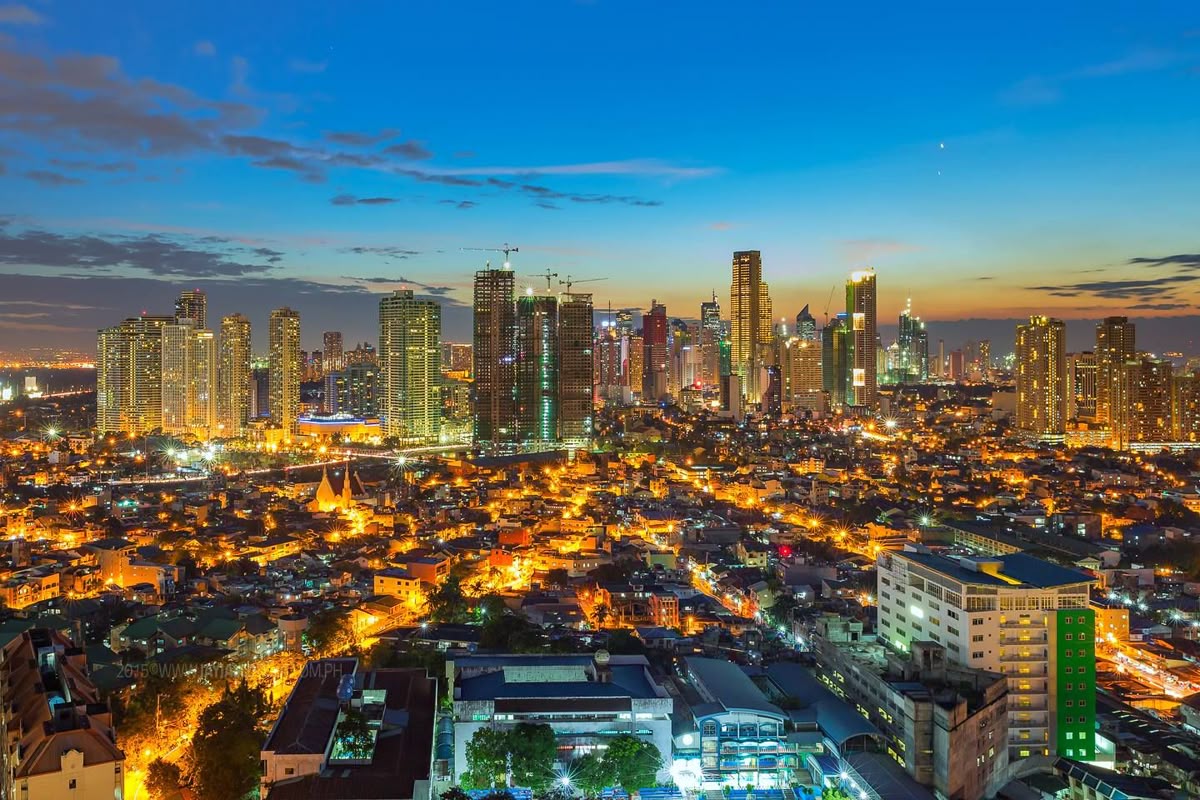
Manila Philippines is a city of contrasts, where centuries-old history meets the fast pace of modern urban life. As the historic capital of the Philippines, Manila boasts a rich tapestry of Spanish colonial architecture, centuries-old churches, and fortified walls, all set against the backdrop of a bustling metropolitan hub. Visitors will find a city alive with energy—teeming streets, vibrant markets, and a thriving cultural scene that reflects both tradition and progress.
For travelers, Manila offers a gateway to the country’s history and culture, with its museums, landmarks, and local cuisine. For businesses and professionals, it serves as the central hub for commerce, government, and education in the Philippines. Whether exploring the historic streets of Intramuros, attending cultural festivals, or navigating the modern skyline, Manila Philippines leaves a lasting impression as a city that bridges the past and the present.
Understanding Manila: The City at a Glance
Located on the island of Luzon, Manila Philippines sits along the eastern shore of the picturesque Manila Bay, providing stunning sunset views over the water. The city itself is one of the most densely populated in the world, with over 1.8 million residents in the city proper. However, when combined with its surrounding areas in Metro Manila, the population swells to nearly 15 million, making it a sprawling urban metropolis.
It’s important to distinguish between the City of Manila and Metro Manila. The City of Manila is the historic core, home to iconic landmarks, government offices, and cultural sites. Metro Manila, also known as the National Capital Region, is a larger metropolitan area that includes 16 other cities, such as Makati, Quezon City, and Pasay. Together, they form the economic and political center of the Philippines, blending modern business districts with residential neighborhoods and bustling commercial hubs.
A Journey Through Manila’s Historic Sites
Manila Philippines is steeped in history, and exploring its historic sites is like stepping back in time. Intramuros, the “Walled City,” stands as the centerpiece of Manila’s colonial past. Built during the Spanish era, it houses Fort Santiago, a fortress that has witnessed centuries of Filipino history. Walking through the cobbled streets of Intramuros, visitors can also admire San Agustin Church, a UNESCO World Heritage Site known for its intricate baroque architecture, and the Manila Cathedral, which has been rebuilt several times yet remains an iconic symbol of the city.
Rizal Park, locally known as Luneta, is another must-visit site. It serves as a green lung in the heart of the city while commemorating the life of José Rizal, the nation’s revered hero. The park is a favorite spot for both locals and tourists, offering a combination of historical monuments, landscaped gardens, and a serene atmosphere amid the busy urban environment. These landmarks collectively provide a tangible link to Manila Philippines’ rich and sometimes turbulent history.
Cultural Hotspots and Local Life
Beyond its historic sites, Manila Philippines thrives with cultural life and vibrant neighborhoods. One of the most famous areas is Binondo, recognized as the world’s oldest Chinatown, dating back to 1594. Here, streets are lined with traditional shops, restaurants, and markets, offering an immersive experience of Filipino-Chinese culture. Food lovers will particularly enjoy the culinary tours through Binondo, where classic dishes meet local flavors.
The city is also home to a wealth of museums that showcase its artistic, anthropological, and natural heritage. The National Museum Complex, which includes the Museum of Fine Arts, Museum of Anthropology, and Museum of Natural History, provides an enriching experience for anyone looking to understand the country’s cultural evolution.
Manila’s local life is equally dynamic, with festivals, traditions, and community events adding color to daily life. Celebrations such as the Feast of the Black Nazarene or cultural performances in parks and plazas highlight the city’s spirit and offer visitors a glimpse into its living traditions.
Navigating the City: Transport and Practical Tips
Getting around Manila Philippines can be an adventure in itself. Public transportation is a mix of traditional and modern modes. Jeepneys, with their colorful decorations and iconic designs, remain the backbone of local transport. Tricycles and pedicabs provide convenient short-distance options, especially in narrower streets. While these methods offer a unique cultural experience, they can be challenging for first-time visitors due to traffic and varying routes.
Modern alternatives have made city navigation easier. Ride-sharing apps like Grab are widely used and provide reliable, safe, and convenient travel across the city. Tourists are also advised to plan their trips strategically, avoiding peak traffic hours when possible, and to remain aware of personal belongings in crowded areas. Overall, understanding the local transport system adds to the experience of exploring Manila Philippines fully.
Manila’s Modern Business and Urban Landscape
While steeped in history, Manila Philippines is also a thriving modern metropolis. Business districts such as Makati and Bonifacio Global City (BGC) represent the contemporary face of the city, with towering skyscrapers, multinational offices, and luxury shopping centers. These areas serve as the economic heartbeat of the nation, attracting both local and international investments.
The city’s real estate and commercial developments continue to grow, reflecting its importance as a hub for commerce and innovation. Beyond business, Manila also plays a central role in government administration, education, and public services, reinforcing its position as the capital and strategic center of the Philippines. This dual identity—as a historic city and a modern urban hub—makes Manila unique and dynamic.
Best Time to Visit and Travel Considerations
The climate in Manila Philippines is tropical, with a dry season from December to May offering the most comfortable weather for sightseeing. The wet season, from June to November, brings heavier rainfall and occasional typhoons, which can affect travel plans. Visitors are encouraged to check weather updates and plan activities accordingly.
Safety is an important consideration when traveling in Manila. While it is generally safe for tourists, certain areas may have higher crime rates or traffic hazards. Staying aware, using trusted transport options, and keeping personal belongings secure are practical measures for a smooth visit.
For first-time visitors, exploring neighborhoods like Intramuros, Binondo, and the business districts provides a balanced experience of history, culture, and modern city life. Street food tours, museum visits, and leisurely strolls along Manila Bay or Rizal Park are recommended activities to fully enjoy the city’s offerings.
Conclusion
Manila Philippines is a city of contrasts and connections, blending rich history with modern urban living. From the cobblestone streets of Intramuros to the skyscrapers of Makati and BGC, the city offers a unique experience that appeals to travelers, culture enthusiasts, and business professionals alike.
Whether exploring its historic landmarks, indulging in local cuisine, or witnessing its vibrant festivals, Manila leaves visitors with a deep appreciation of its dynamic spirit. For anyone seeking to experience the heart of the Philippines, Manila Philippines is more than just a destination—it is a city that captures the essence of the nation’s past, present, and future.
FAQs
What is Manila Philippines famous for?
Manila Philippines is known for its historic landmarks, Spanish colonial architecture, vibrant culture, food scene, and as the nation’s economic and political hub.
What is the best time to visit Manila?
The dry season from December to May is ideal for sightseeing, while the wet season (June–November) brings rain and occasional typhoons.
How do I get around Manila Philippines?
Options include jeepneys, tricycles, pedicabs, and ride-sharing apps like Grab. Using Grab is often easiest for first-time visitors.
What are the must-visit areas in Manila?
Key spots include Intramuros, Rizal Park, Binondo Chinatown, Makati business district, and Bonifacio Global City (BGC).
Is Manila safe for tourists?
Yes, generally safe, but it’s important to stay aware in crowded areas, avoid poorly lit streets, and keep personal belongings secure.