
Introduction
Choosing between Montreal or Quebec City can be a delightful challenge for travelers. Both cities offer rich history, vibrant culture, and unique experiences, but each has its own character and charm. Whether you’re drawn to cosmopolitan energy or old-world charm, understanding what each city offers can help you plan the perfect trip. This guide will explore the atmosphere, attractions, cuisine, accommodations, seasonal activities, transportation, and key tips for deciding between Montreal or Quebec City.
The Unique Vibes of Montreal or Quebec City
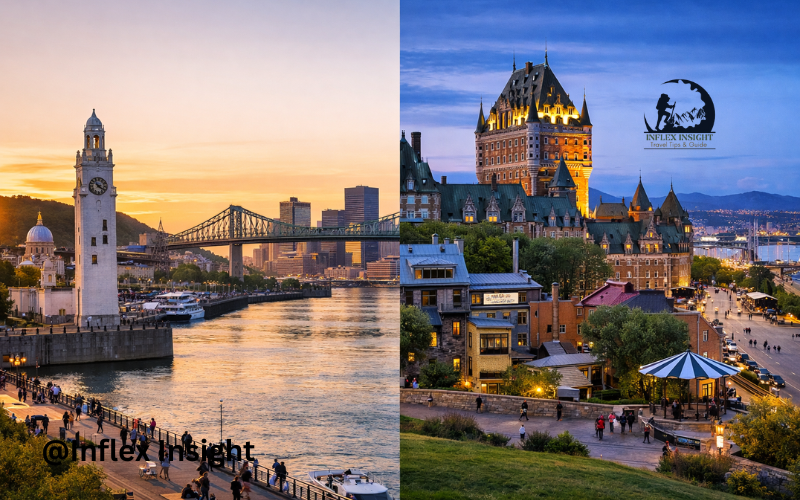
Montreal and Quebec City each have a distinct personality that reflects their history, culture, and local lifestyle. Montreal, known for its multicultural population, is a lively city that blends French heritage with modern urban flair. Its streets buzz with festivals, art galleries, theaters, and a culinary scene influenced by diverse communities. The city’s neighborhoods range from the trendy Plateau with its vibrant murals to the historic Old Montreal with cobblestone streets and centuries-old architecture.
In contrast, Quebec City offers a more intimate and historical experience. The city feels like stepping back in time, with its fortified Old Town, narrow streets, and French-inspired architecture. The European charm is visible in landmarks like the Château Frontenac and the city walls that date back to the 17th century. Quebec City’s slower pace allows visitors to savor every corner, from cozy cafes to charming boutiques.
History is central to both cities’ identity. Montreal was founded as a trading post and grew into a cultural and economic hub, while Quebec City holds the distinction of being one of North America’s oldest cities, steeped in colonial history. Visitors can sense the historical layers in Quebec City through its preserved buildings and museums, while Montreal reflects a more modern, urban evolution alongside its past.
Culturally, the two cities are also different. Montreal hosts major international festivals, including jazz, comedy, and film events, reflecting its dynamic and multicultural vibe. Quebec City focuses on traditional celebrations and heritage festivals, such as the Winter Carnival, which showcases local customs and the joy of Quebecois traditions. Choosing between Montreal or Quebec City often depends on whether you prefer a vibrant, cosmopolitan environment or a quaint, historic atmosphere.
Top Attractions to See in Montreal or Quebec City
Both Montreal and Quebec City offer a wealth of attractions, each catering to different traveler preferences. In Montreal, visitors can explore Old Montreal, where cobblestone streets lead to historic sites like the Notre-Dame Basilica. Mount Royal, the hill at the city’s heart, provides scenic views and green spaces for walking, picnicking, or cycling. The city also boasts a lively art scene, from contemporary galleries to street murals, reflecting its creative energy.
Quebec City, on the other hand, is defined by its Old Town, a UNESCO World Heritage site. Château Frontenac dominates the skyline, offering both luxury and history. Strolling through the Petit Champlain district, visitors encounter charming shops, local eateries, and street performances that give the area a vibrant, yet historical, feel. Seasonal events, like the Winter Carnival, make Quebec City a year-round destination with a special allure in winter.
Choosing attractions between Montreal or Quebec City often comes down to your interests. Art lovers and nightlife enthusiasts may prefer Montreal, while history buffs and those seeking picturesque streets and French-inspired charm may find Quebec City more appealing. Regardless of choice, both cities offer experiences that leave lasting memories.
Food and Dining Experiences in Montreal or Quebec City
Food is a central part of the experience in both Montreal and Quebec City, with each city offering signature flavors and unique dining styles. Montreal is famous for its diverse cuisine, influenced by its multicultural population. Iconic dishes include Montreal-style bagels, smoked meat sandwiches, and poutine. Visitors can explore bustling markets like Jean-Talon or Atwater for fresh produce, artisanal cheeses, and local specialties. The city’s dining scene also includes fine dining and trendy eateries offering international flavors.
Quebec City focuses on French-inspired cuisine and traditional Quebecois dishes. From hearty meat pies and tourtière to maple-infused desserts, the city celebrates its culinary heritage. Many restaurants in the Old Town combine historical ambiance with contemporary dining, providing both locals and travelers with an authentic taste of the region. Cafes and patisseries invite visitors to enjoy relaxed meals while soaking in the city’s old-world charm.
The choice between Montreal or Quebec City for food lovers depends on whether you seek cosmopolitan variety or traditional French-inspired cuisine. Both cities offer memorable meals, but the styles and atmospheres differ, reflecting the cities’ cultural identities.
Where to Stay: Neighborhoods and Accommodation Options
Finding the right place to stay can enhance your experience in Montreal or Quebec City. Montreal offers a wide range of accommodations, from luxury hotels in downtown areas to boutique stays in trendy neighborhoods. The Plateau is ideal for art lovers and food enthusiasts, while the downtown area provides easy access to attractions and nightlife. Families may prefer quieter neighborhoods with parks and community spaces.
Quebec City’s accommodations tend to focus on charm and historical appeal. Many hotels are located within or near Old Town, allowing visitors to explore the city on foot. Boutique inns and cozy guesthouses provide personalized experiences, while larger hotels offer modern amenities with views of the Saint Lawrence River. Choosing the right accommodation can help travelers immerse themselves in the city’s unique atmosphere and make the most of their stay.
Outdoor Activities and Seasonal Experiences
Montreal and Quebec City each offer a variety of outdoor activities that change with the seasons. In Montreal, Mount Royal Park provides space for hiking, jogging, or cycling. In winter, the city embraces outdoor festivals and skating, creating vibrant public spaces despite the cold. Summer brings music festivals, open-air markets, and cultural events that fill the streets with energy.
Quebec City’s outdoor activities highlight its historical and seasonal charm. The Winter Carnival, with ice sculptures, parades, and snow-based games, is a major draw. In warmer months, walking tours through Old Town, riverfront strolls, and visits to parks provide immersive experiences for visitors. The seasonal nature of activities allows travelers to enjoy unique experiences depending on the time of year, making each visit to Montreal or Quebec City memorable.
Transportation and Getting Around Montreal or Quebec City
Getting around either city is generally convenient, though the methods differ slightly. Montreal has an extensive public transit system, including buses and a metro network, which makes it easy to access attractions across the city. Walking and biking are also popular, with dedicated paths and scenic routes. For those preferring to drive, Montreal offers well-connected roads, though parking can be limited in busy areas.
Quebec City is more compact, making walking the most practical way to explore the Old Town. Public buses serve other neighborhoods, while taxis and ride-share options provide additional convenience. Seasonal changes, particularly in winter, can affect mobility, so planning ahead is helpful. Understanding transportation options can influence how travelers experience each city and can be a factor in choosing between Montreal or Quebec City.
Tips for Choosing Between Montreal or Quebec City
Deciding between Montreal or Quebec City depends on the type of experience you seek. Montreal offers a lively, multicultural, and urban environment with diverse entertainment, dining, and art. Quebec City provides a slower pace, historic charm, and French-inspired culture that is immersive and picturesque. Trip length is another consideration: a weekend may be enough to experience Quebec City’s highlights, while Montreal’s larger scale may require more time to explore fully.
Travelers interested in festivals, nightlife, and modern urban life may favor Montreal. Those seeking history, traditional culture, and quaint streets may lean toward Quebec City. Ultimately, both cities offer rich, memorable experiences, and some travelers even choose to visit both to enjoy the contrasts and unique offerings of each.
Conclusion
Montreal or Quebec City each offer distinctive experiences that cater to different traveler preferences. Montreal’s vibrant, multicultural, and urban energy contrasts beautifully with Quebec City’s historical charm and French-inspired atmosphere. By considering your interests, trip length, and desired activities, you can choose the city that best matches your travel goals. Whether exploring Montreal’s dynamic streets or wandering through Quebec City’s charming lanes, both destinations promise memorable experiences and a deep appreciation for the culture, history, and beauty of Quebec.
FAQs
1. Which city is better for a weekend trip: Montreal or Quebec City?
Quebec City is often preferred for a weekend due to its compact Old Town and historical charm, while Montreal is better suited for longer stays to fully explore its neighborhoods and attractions.
2. How do Montreal and Quebec City differ in culture and history?
Montreal is multicultural and cosmopolitan with a mix of modern and historical influences. Quebec City is more historic, preserving French colonial architecture and traditions.
3. What are the must-try foods in Montreal or Quebec City?
Montreal is famous for bagels, smoked meat, and poutine. Quebec City is known for French-inspired dishes, meat pies, and maple-flavored treats.
4. Can I visit both cities in a single trip?
Yes, Montreal and Quebec City are about a three-hour drive apart, making it feasible to visit both in one trip, especially with careful planning.