
Introduction
Hilton Head Island offers much more than a traditional beach vacation. Its wide shoreline is joined by bike paths, salt marshes, wildlife areas, historic sites, local restaurants, and quiet waterfront communities. The island has activities for couples, families, solo travelers, and first-time visitors.
Begin with Hilton Head’s Best Beach Experiences
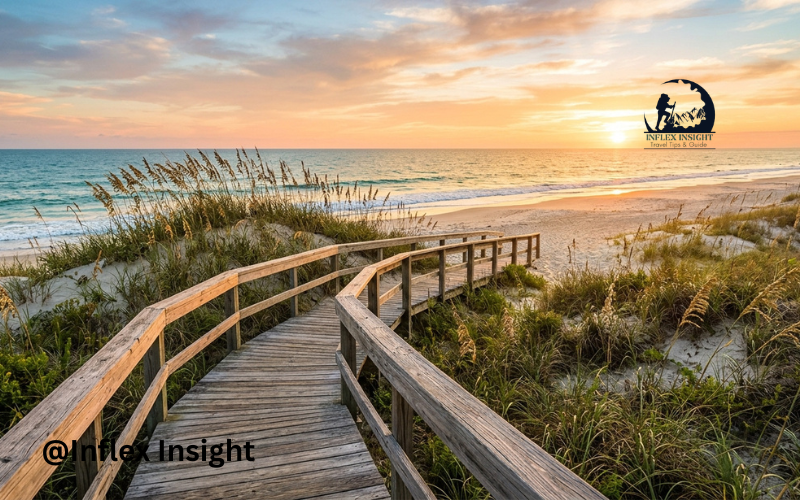
Hilton Head has around 12 miles of shoreline, with plenty of room for swimming, sunbathing, walking, and cycling. Coligny Beach Park is a convenient choice for first-time visitors because it has free parking, restrooms, outdoor showers, and seasonal lifeguards. Driessen Beach Park has a playground and picnic area, while Fish Haul Beach Park is better suited to quiet walks and birdwatching.
Early mornings are ideal for sunrise views, shell hunting, and long walks before the sand becomes busy. Swimming conditions can change, so pay attention to beach flags and lifeguard advice.
Although the beach itself is public up to the high-water mark, access points may be private. Use one of the town’s official entrances and check its parking rules before leaving. The Town of Hilton Head Island’s beach guide lists public access points and available facilities.
Explore the Island by Bike
Cycling is one of the most enjoyable things to do in Hilton Head. A large network of paved leisure paths connects beaches, shopping areas, parks, and residential communities. Popular routes pass through Sea Pines, Shelter Cove, and the island’s shaded interior.
You can also cycle on the beach when the tide is low and the sand is firm. Check the tide schedule first because soft sand and rising water can make the return journey difficult.
Rental companies offer standard bikes, children’s bikes, trailers, and electric models. Wear a helmet, carry water, and use lights in low visibility. Plan your route before setting out, as some private communities may charge an entrance fee or limit access.
Get Out on the Water
The island’s creeks, marshes, and coastal waters support a wide range of activities. Kayaking and paddleboarding are good choices for travelers who want a quiet view of the Lowcountry landscape. Beginners may feel more comfortable joining a guided trip.
Dolphin-watching tours, sailing trips, and sunset cruises provide a relaxed way to explore the coastline. Fishing options range from short family outings to longer offshore charters. Jet skiing and similar activities are available for visitors seeking a faster experience. The island’s official water activities guide provides an overview of common options.
Experience Hilton Head’s Wildlife and Natural Areas
Hilton Head is home to dolphins, sea turtles, alligators, deer, and many coastal birds. Salt marshes and maritime forests can be explored on walking trails, nature cruises, and guided kayak trips.
The Coastal Discovery Museum at Honey Horn combines trails, historic buildings, gardens, exhibits, and educational programs on a 70-acre property. General admission to the grounds is free, although some guided programs require payment or reservations. Current visitor information is available from the Coastal Discovery Museum.
Observe animals from a safe distance, never feed wildlife, and avoid walking on sand dunes. During turtle-nesting season, keep beaches dark and remove belongings at the end of the day.
Discover the Island’s History and Gullah Culture
Understanding Hilton Head’s history adds depth to a visit. Historic Mitchelville Freedom Park shares the story of Mitchelville, an early self-governed community established by formerly enslaved people. Visitors can explore the setting independently or join a guided tour. Historic Mitchelville Freedom Park publishes current tour and event details.
The Gullah Museum of Hilton Head Island preserves local Gullah history, language, crafts, and family stories. Tours may operate on limited days, so contact the museum in advance. Other educational stops include the Coastal Discovery Museum and the Stoney-Baynard Ruins in Sea Pines.
Spend Time Around Harbour Town
Harbour Town is known for its red-and-white lighthouse, marina, waterfront paths, shops, and restaurants. Visitors can walk along the harbor, watch boats arrive, or climb the lighthouse for elevated views.
The area also serves as a departure point for sightseeing cruises, fishing charters, and water activities. Seasonal concerts and family entertainment are sometimes held nearby. Because Harbour Town is inside Sea Pines, check entry requirements and event schedules before visiting. The official Harbour Town guide provides updated information.
Find Family-Friendly Things to Do in Hilton Head
Families can combine beach time with bike rides, mini golf, playgrounds, and short wildlife tours. Coligny Beach is convenient for facilities, while Driessen Beach Park provides both beach access and a playground.
Children may also enjoy dolphin cruises, nature programs, sandcastle building, and visits to the Coastal Discovery Museum. For an easy half-day plan, choose one main activity followed by lunch and quiet beach time. This keeps the schedule manageable for younger travelers.
Enjoy Hilton Head as a Couple
Couples can start the day with a peaceful beach walk, rent bikes for a shaded ride, or book a small-group kayaking trip. Sunset cruises and waterfront walks work well for a relaxed evening.
Dining is generally informal, even at many waterfront restaurants. A simple day might include a late breakfast, several hours at the beach, a scenic bike ride, and dinner near a marina. Leaving some time unplanned often suits the island’s slow atmosphere.
Plan for Rainy or Extra-Hot Days
Rain does not have to end the day. The Coastal Discovery Museum, local galleries, the Arts Center of Coastal Carolina, shops, and creative workshops provide indoor alternatives. Bowling, escape rooms, and casual family entertainment are other possibilities.
Summer storms can arrive quickly and pass just as fast. Keep one flexible indoor activity in mind, but avoid filling the entire day until you see how the weather develops.
Make Local Food Part of the Experience
Hilton Head’s food reflects the wider Lowcountry region. Common dishes include shrimp and grits, oysters, seafood platters, she-crab soup, and Lowcountry boil. Waterfront restaurants offer pleasant views, but good seafood can also be found in simple neighborhood dining rooms.
Families have many casual options, while couples may prefer a quieter marina setting. Farmers markets and food events can be worthwhile, but their schedules change throughout the year. Confirm dates before adding one to your itinerary.
Things to Do in Hilton Head After Sunset
Evenings on Hilton Head are usually relaxed. Visitors can walk around Harbour Town or Shelter Cove, listen to live music, attend a seasonal performance, or take a sunset cruise.
The Arts Center of Coastal Carolina presents theater and other live events, while restaurants and bars may host local musicians. Entertainment schedules vary by season, so check current listings instead of relying on a fixed weekly plan.
Choose Activities for the Season
Spring brings comfortable temperatures for cycling, kayaking, and long beach walks. Summer is the busiest period, with warm water, family entertainment, and a greater need for restaurant and tour reservations.
Fall often provides pleasant sightseeing weather and fewer crowds after the main holiday periods. Winter is cooler and quieter, making it suitable for history, nature, dining, and peaceful walks. Some tours and events operate less often outside the main season, so confirm availability in advance.
Build a Hilton Head Itinerary by Trip Length
With one day, focus on a beach, a bike ride, and either Harbour Town or a short nature activity. During a weekend, add a dolphin cruise, local seafood meal, and a cultural or historic site.
A three-to-five-day visit allows time for beaches, kayaking, wildlife, history, and an unscheduled afternoon. Travelers staying for a week can explore at a slower pace, revisit favorite places, and take a day trip without making the holiday feel rushed.
Practical Tips for Planning Hilton Head Activities
A car is useful, but bikes can handle many short trips once you are settled. Traffic and parking become busier during summer, so begin popular activities early.
Reserve boat tours, cultural programs, and special dinners ahead of time during peak periods. Check tide times before beach cycling or launching a paddleboard. Parking fees and access rules vary among beach parks; Coligny offers free public parking, while other locations may use paid or permit spaces.
Travelers with mobility needs should review accessible entrances before visiting. Several public beach parks provide matting or beach-wheelchair access, but availability may vary. Current accessibility and parking information is available through the Town’s official beach pages.
Conclusion
The best things to do in Hilton Head combine the island’s beaches with its natural areas, waterways, history, and local culture. A satisfying trip does not require a packed schedule. Choose a few experiences that match your interests, consider the season and tides, and leave enough time to enjoy the island at an easy pace.
FAQs
1. What is Hilton Head best known for?
Hilton Head is best known for its broad beaches, cycling paths, golf courses, salt marshes, wildlife, and relaxed Lowcountry setting. It is also home to important Gullah cultural and historic sites.
2. How many days do you need in Hilton Head?
Three to five days is enough for beaches, cycling, a boat trip, local dining, and one or two cultural attractions. A week is better for travelers who prefer a slower schedule.
3. Are there free things to do in Hilton Head?
Yes. Free activities include visiting public beaches, walking nature trails, cycling if you have your own bike, exploring parts of Historic Mitchelville Freedom Park, and visiting the Coastal Discovery Museum grounds.
4. Is Hilton Head suitable for families?
Hilton Head is well suited to families. Calm beach days, playgrounds, mini golf, bike rides, dolphin tours, and nature programs provide options for different ages.
5. What is the best time to visit Hilton Head?
Spring and fall usually offer comfortable weather for outdoor activities. Summer is best for warm-water beach trips but brings larger crowds. Winter is quieter and works well for walking, dining, nature, and history.