
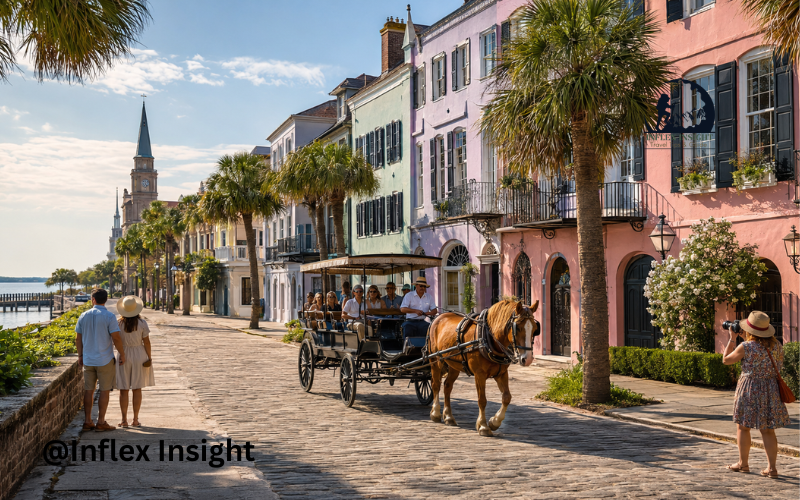
Things to do in Charleston, South Carolina range from walking past colorful historic homes to kayaking through quiet coastal marshes. Charleston combines distinctive architecture, important American history, waterfront scenery, beaches, gardens, food, and art in one compact destination.
The city suits many types of travelers. First-time visitors can explore the Historic District, couples can enjoy harbor sunsets, families can visit the aquarium, and outdoor travelers can discover beaches and nature trails. The best plan depends on your available time, interests, mobility, and budget.
Best Things to Do in Charleston at a Glance
The following suggestions offer a simple starting point. The “best” choice will still depend on what you enjoy most.
| Interest | Suggested Charleston experience |
| Best overall experience | Walking through the Historic District |
| Best historical attraction | Fort Sumter |
| Best free activity | The Battery and Waterfront Park |
| Best family destination | South Carolina Aquarium |
| Best beach for first-time visitors | Folly Beach |
| Best outdoor experience | Kayaking through the marshes |
| Best activity for couples | A sunset harbor cruise |
| Best choice for a short visit | French Quarter, Rainbow Row, and the Battery |
Explore Charleston’s Historic District on Foot
Walking is one of the easiest ways to understand Charleston. Begin in the French Quarter, where old churches, galleries, narrow streets, and preserved buildings create a strong sense of place. Nearby Rainbow Row features a famous line of colorful historic houses along East Bay Street.
Continue south toward the Battery and White Point Garden. The waterfront promenade provides views across Charleston Harbor, while the shaded garden offers benches beneath large oak trees. From there, walk north to Waterfront Park, an eight-acre public space with lawns, fountains, a pier, and harbor views. The City of Charleston provides current park information.
Charleston City Market is useful for browsing local crafts, including sweetgrass baskets. King Street offers a different experience, mixing historic architecture with shops, restaurants, galleries, and antique stores.
Visit Charleston’s Most Important Historic Sites
Fort Sumter is one of the most significant historical attractions in Charleston. It sits in the harbor and can only be reached by an authorized ferry. Although the National Park Service does not charge an entrance fee, visitors must purchase a ferry ticket. Schedules can change because of weather or operating conditions, so advance planning is sensible. The National Park Service publishes current visitor details.
The International African American Museum explores African American history, the African diaspora, and the lasting influence of Black culture. The Old Slave Mart Museum provides a focused account of Charleston’s domestic slave trade, while the Charleston Museum covers the city and Lowcountry through historical objects, textiles, and natural history.
Historic houses add another layer. The Nathaniel Russell House is known for its restored interior, while the preserved spaces at the Aiken-Rhett House reveal how different residents—including enslaved people—experienced the property. Both offer guided and self-paced visits through the Historic Charleston Foundation.
Experience Charleston’s Gardens and Historic Landscapes
Charleston’s gardens are especially beautiful in spring, although they remain worthwhile throughout much of the year. Magnolia Plantation and Gardens combines landscaped grounds, wetlands, wildlife, and guided experiences. Some tours are sold on-site according to availability and weather, so check the official visitor information before arriving.
Middleton Place offers formal gardens and views of the Ashley River. McLeod Plantation Historic Site places greater emphasis on the lives of enslaved people and their descendants. Visitors should approach these places as historical sites rather than simply scenic properties.
At Charles Towne Landing, trails, exhibits, gardens, and a replica 17th-century trading ship introduce the area’s colonial beginnings. The Angel Oak Tree on Johns Island provides a quieter stop beneath the broad branches of an ancient live oak.
Enjoy Charleston Harbor and Waterfront Activities
A harbor cruise provides a wider view of the city, including bridges, forts, church steeples, and waterfront neighborhoods. Sunset sailing trips are popular with couples, while narrated cruises may appeal more to first-time visitors interested in history.
For a more active experience, try kayaking or paddleboarding through the tidal creeks and marshes. Guided eco-tours can help visitors understand local birds, dolphins, and coastal habitats. Fishing trips are also available, but prices and trip lengths vary.
On land, the Mount Pleasant Pier is suitable for walking and fishing. Visitors who want exercise can walk or cycle across the pedestrian path on the Arthur Ravenel Jr. Bridge.
Spend a Day at the Beaches Near Charleston
Charleston has several beaches, and each has a different atmosphere. Folly Beach is lively and casual, with surfing, restaurants, beach access, and a fishing pier. Sullivan’s Island is quieter and combines coastal scenery with nearby history at Fort Moultrie. Isle of Palms has a broad beach and family-friendly facilities.
Folly Beach is a good choice for activity and energy. Sullivan’s Island suits visitors seeking a quieter setting, while Isle of Palms works well for families who value convenient facilities.
Parking rules vary by island and are enforced carefully. On Sullivan’s Island, vehicles must use approved areas, remain off the road, and avoid blocking beach paths. Visitors should check current municipal rules, tides, weather, and water conditions before leaving downtown. Charleston County Parks also publishes seasonal beach updates.
Taste Charleston’s Lowcountry Food
Food is an important part of the Charleston experience. Traditional dishes include shrimp and grits, she-crab soup, red rice, okra soup, oysters, and Lowcountry boil. These foods reflect African, Caribbean, European, and coastal influences.
Seafood restaurants can be found downtown and on the nearby islands. Visitors can also explore bakeries, coffee shops, farmers’ markets, and neighborhood restaurants. A guided food tour is useful for travelers who want to try several dishes while learning about their history.
Charleston is also known for brunch, but popular restaurants can become busy. Reservations are helpful, especially on weekends. Travelers on a smaller budget can choose local markets, casual seafood counters, and bakeries instead of formal restaurants.
Discover Charleston’s Art and Culture
The Gibbes Museum of Art connects Charleston’s history with regional and American art. Its first floor is free to enter, while tickets are required for the main galleries on the upper floors. Weekend reservations are recommended by the Gibbes Museum.
Independent galleries and working studios appear throughout the French Quarter and other downtown neighborhoods. Charleston also hosts theater, dance, live music, lectures, and seasonal festivals.
Visitors interested in Gullah Geechee heritage should seek experiences led by knowledgeable community members, museums, and cultural organizations. This helps place food, language, crafts, and traditions within their proper historical context.
Find Outdoor Adventures Around Charleston
Beyond the main streets, Charleston offers coastal trails, marshes, waterways, and protected natural areas. Caw Caw Interpretive Center is a strong choice for walking and birdwatching. Its habitats support waterfowl, songbirds, deer, otters, and other Lowcountry wildlife. Bikes and dogs are not allowed, which helps protect the environment.
Visitors can also cycle through quieter neighborhoods, join an eco-boat tour, or explore county parks. Early morning is often the most comfortable time for outdoor activities during warmer months.
Family-Friendly Things to Do in Charleston
The South Carolina Aquarium is one of the most dependable family attractions, especially during hot or rainy weather. Most exhibits are indoors, and the aquarium recommends allowing at least 90 minutes for a visit. Ticket prices can vary by date, so families should review the official planning information.
Children may also enjoy Charles Towne Landing, Fort Sumter, public playgrounds, beaches, and selected programs at the Charleston Museum. Families should avoid planning too many historic house tours in one day, as younger visitors may prefer a balance of museums, outdoor spaces, and active experiences.
Free and Affordable Charleston Experiences
Many memorable things to do in Charleston, South Carolina cost little or nothing. Walking around Rainbow Row, the Battery, White Point Garden, Waterfront Park, and Charleston City Market is free.
Public piers and parks provide places to rest, picnic, or watch boats. Sunrise at the beach and sunset beside the harbor also cost nothing, although parking may not be free.
Check local museum and event calendars for community days, outdoor performances, and free exhibitions. The free first floor of the Gibbes Museum is another useful option for budget-conscious visitors.
Unique and Less-Crowded Charleston Experiences
For a quieter walk, explore the residential streets South of Broad while respecting private property. Smaller museums and historic houses can also feel calmer than the major attractions.
Melton Peter Demetre Park, sometimes called Sunrise Park, offers wide harbor views and a fishing pier. Visitors may find fossil shark teeth along the shore, but swimming and diving are prohibited. Current rules are available from the City of Charleston.
Other peaceful options include neighborhood parks, the West Ashley area, Johns Island, and smaller waterfront spaces outside the busiest downtown routes.
Romantic Things to Do in Charleston
Couples can take a sunset harbor cruise, walk through the Historic District in the evening, or share a picnic in a garden or beach park. A guided carriage tour offers a restful way to see downtown, while a walking tour provides more time to examine individual streets and buildings.
For a relaxed day, combine a garden visit with dinner downtown. Another option is an afternoon on Sullivan’s Island followed by sunset near the harbor.
Things to Do in Charleston at Night
Charleston’s evening activities range from ghost tours and live music to theater and harbor cruises. A guided ghost walk can introduce local legends while passing old churches, graveyards, and historic buildings.
Visitors who prefer a quieter evening can walk around Waterfront Park or the well-lit parts of the Historic District. Restaurants around King Street, East Bay Street, and nearby neighborhoods provide choices ranging from casual seafood to formal Lowcountry dining.
Seasonal Activities in Charleston
Spring is popular for gardens, walking tours, and outdoor festivals. Summer is better suited to beaches, boating, and early-morning activities, although heat and humidity can be intense.
Fall often brings more comfortable walking weather and outdoor cultural events. Winter is generally quieter and works well for museums, historic houses, restaurants, and holiday programs.
Festival dates, admission rules, and outdoor schedules change from year to year. Always confirm details directly with the venue before building an itinerary around a special event.
Charleston Itineraries for Different Trip Lengths
With one day in Charleston, focus on the French Quarter, Rainbow Row, the Battery, Waterfront Park, and one museum or historic site.
For a weekend, spend the first day downtown and use the second for Fort Sumter, a garden, or a nearby beach. A three-day visit allows more balance: one history-focused day, one garden or nature day, and one beach or harbor day.
History enthusiasts can combine Fort Sumter, the International African American Museum, the Old Slave Mart Museum, and a guided walk. Families may prefer the aquarium, Waterfront Park, Charles Towne Landing, and Isle of Palms. Couples can combine historic streets, Lowcountry food, a garden, and a sunset cruise.
Practical Tips for Choosing Charleston Activities
Downtown Charleston is walkable, but cobblestones, brick paths, heat, and uneven surfaces can make long days tiring. Comfortable shoes, water, sun protection, and breaks are important.
Parking garages are usually easier than repeatedly searching for street spaces. CARTA operates free DASH shuttle routes around the peninsula, including stops near the aquarium, Visitor Center, Broad Street, and Waterfront Park. Check the current DASH routes before traveling.
Reserve ferry trips, guided tours, popular restaurants, and major attractions early during busy periods. Travelers with mobility needs should contact individual sites because accessibility varies, especially inside historic buildings with stairs and uneven floors.
Conclusion
The wide variety of things to do in Charleston, South Carolina makes the city suitable for many types of travelers. Visitors can explore historic streets, learn about important local history, enjoy Lowcountry food, walk through beautiful gardens, relax beside the harbor, or spend a day at the beach.
Choose activities that match your schedule, interests, budget, and mobility needs. Remember to visit historically significant places with respect and check current opening hours, ticket requirements, and weather conditions before traveling. A flexible itinerary will help you experience Charleston’s leading attractions while leaving time for quiet parks, local neighborhoods, and unexpected discoveries along the way.
FAQs
1. What should first-time visitors do in Charleston?
First-time visitors should walk through the Historic District, see Rainbow Row and the Battery, spend time at Waterfront Park, and choose at least one major historical attraction such as Fort Sumter or the International African American Museum.
2. How many days are enough for Charleston?
Two or three days are enough for the main downtown attractions, one major historic site, and a beach or garden. Four days provide a more relaxed visit with time for museums, food, nature, and nearby islands.
3. What can visitors do in Charleston for free?
Free activities include walking around Rainbow Row, the Battery, White Point Garden, Waterfront Park, Charleston City Market, and public waterfront areas. The DASH downtown shuttle is also free.
4. What are the best Charleston activities when it rains?
Good rainy-day choices include the South Carolina Aquarium, Charleston Museum, International African American Museum, Gibbes Museum of Art, Old Slave Mart Museum, and selected historic house tours.