
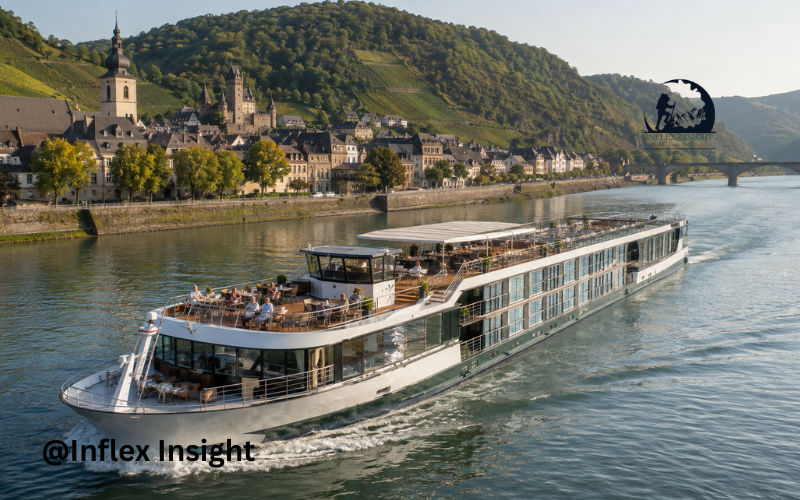
River cruises offer a relaxed way to visit several destinations without repeatedly changing hotels or arranging transportation. Instead of sailing across open seas, these cruises follow inland waterways and stop close to cities, historic towns, cultural landmarks, and scenic countryside.
Many travelers choose river cruising because it combines transportation, accommodation, meals, and guided sightseeing in one journey. Ships are usually smaller than ocean vessels, creating a quieter atmosphere and allowing passengers to spend more time exploring places on land.
However, routes, cabins, excursions, and fare inclusions can differ considerably. This guide explains how river cruises work, where they travel, what life onboard is like, and what to check before booking.
What River Cruises Are and How They Work
A river cruise is a multi-day journey on a vessel designed for inland waterways. Most itineraries travel between two cities, although some begin and end at the same port. During the journey, the ship stops at towns and cities where passengers can join guided excursions or explore independently.
Cruises commonly last from about one week to two weeks, but shorter and longer options are available. Because rivers pass through established communities, ships often dock within walking distance of historic centers. River vessels are also long, narrow, and relatively low so they can pass through locks and beneath bridges.
River Cruises Compared With Ocean Cruises
River cruise ships are much smaller than ocean liners and usually carry fewer passengers. They rarely contain large theaters, water parks, casinos, or extensive shopping areas. Entertainment is generally quieter and may include local musicians, cultural talks, cooking demonstrations, or small evening performances.
The greatest difference is the destination experience. Ocean ships may spend entire days at sea, while river vessels often visit a new port every day. River cruises tend to emphasize history, food, architecture, and guided sightseeing. They may suit travelers who value cultural discovery, while ocean cruises can be better for those seeking resort-style facilities and large-scale entertainment.
The Main Types of River Cruises
European River Cruises
Europe has one of the widest selections of river itineraries. The Danube connects famous cities such as Vienna, Budapest, and Bratislava, while the Rhine is known for vineyards, medieval towns, and hillside castles. The Seine, Rhône, Douro, and Main offer different combinations of scenery, regional food, history, and architecture.
North American River Cruises
North American journeys often focus on regional history and changing landscapes. Mississippi River cruises may explore music, food, and communities in the American South or Midwest. The Columbia and Snake rivers provide access to dramatic scenery and places connected with early exploration and westward expansion.
Asian River Cruises
Asian river cruises offer close views of busy cities, rural communities, temples, markets, and farmland. Mekong itineraries commonly travel through Vietnam and Cambodia, while Ganges and Brahmaputra journeys explore parts of India. Yangtze cruises combine modern cities with natural scenery and important cultural sites in China.
African and Middle Eastern River Cruises
The Nile is the region’s best-known river cruise destination. Many itineraries travel between Luxor and Aswan, stopping near temples, tombs, and other ancient landmarks. Travelers should consider seasonal heat, entry requirements, local conditions, and the physical demands of sightseeing when planning this journey.
Wildlife and Nature-Focused River Cruises
Amazon cruises are usually designed around wildlife, forests, and remote landscapes rather than major cities. Depending on the route, passengers may take smaller boats into narrow waterways or join guided nature walks. These expedition-style experiences are often more adventurous than traditional European river cruises.
Themed and Special-Interest Cruises
Some cruises are organized around particular interests, including wine, local food, music, history, photography, or wellness. Christmas market cruises are popular during winter in Europe. Selected companies also offer family or multigenerational departures with activities designed for a wider range of ages.
The Most Popular River Cruise Destinations
The Rhine and Danube remain leading choices for travelers who want a mix of cities, scenery, and history. France’s Seine is closely connected with Paris and Normandy, while the Rhône and Saône highlight Provence, Burgundy, and regional cuisine. Portugal’s Douro is known for steep vineyards and wine-producing communities.
Outside Europe, the Nile provides access to major ancient Egyptian sites. The Mekong introduces travelers to communities and cultural landmarks in Southeast Asia, while the Mississippi explores American history and music. The Amazon appeals to nature enthusiasts, and the Ganges offers a journey shaped by India’s religious and cultural traditions.
Choosing the Right River Cruise Itinerary
The best route depends on what you want to experience. Travelers interested in major cities may prefer the Danube, while those drawn to castles and vineyards may enjoy the Rhine. A Nile itinerary may suit history enthusiasts, whereas an Amazon expedition focuses more heavily on wildlife and nature.
Study the daily schedule instead of selecting a cruise only by its destination name. Check how many hours are spent in each port, whether important visits are included, and how much free time is available. Pre-cruise and post-cruise hotel stays can add depth without making the sailing itself feel rushed.
The Best Time of Year for River Cruises
Spring River Cruises
Spring often brings mild temperatures, blossoms, and greener landscapes. Crowds may be lighter than in summer, although rain and changing river levels remain possible. Pack layers because mornings and evenings can be cool.
Summer River Cruises
Summer provides warmer weather and longer daylight hours, making it attractive for sightseeing. It is also a popular travel period, so ports can be busy and prices may be higher. Some regions can become very hot.
Autumn River Cruises
Autumn is well suited to travelers interested in harvest events, wine regions, and changing leaves. Temperatures may be comfortable early in the season, but evenings become cooler as winter approaches.
Winter River Cruises
Winter sailings are best known for European Christmas markets. Decorated town centers and seasonal food create a distinctive atmosphere, but travelers should expect cold weather, limited daylight, and possible changes caused by winter conditions.
How River Conditions Can Affect a Cruise
High or low water can prevent ships from passing beneath bridges or through shallow sections. Companies may change ports, use motorcoaches, swap passengers to another ship, or adjust embarkation points when necessary. Current operator notices confirm that these arrangements can vary with river conditions, so travelers should read the itinerary-change policy carefully.
Life Aboard a River Cruise Ship
River ships generally have a restaurant, lounge, reception area, open-air deck, and comfortable viewing spaces. Some newer vessels also offer a small fitness room, pool, library, or additional dining venue. Facilities remain more limited than those found on large ocean ships.
Daily schedules revolve around port visits and excursions. Evenings are usually informal, with live music, local performers, or destination talks. Internet access is common, although speed and reliability can change as the ship moves through rural areas.
River Cruise Cabins and Suites
Cabins range from compact lower-deck rooms to larger suites. A French balcony has a sliding glass door or large window that opens behind a railing, while a walk-out balcony provides space to stand or sit outside. Lower-deck cabins are often cheaper, but their windows may sit near the waterline.
Before booking, check the cabin’s size, storage, view, and location. Rooms near engines, stairs, or public areas may experience more noise. Travelers with mobility needs should also confirm elevator access because some lifts do not reach every deck.
Dining and Drinks on River Cruises
Most river cruise fares include three daily meals, with menus often influenced by the regions being visited. Breakfast and lunch may be served buffet-style, while dinner is commonly a seated meal. Some ships provide alternative dining areas or lighter options.
Drink policies vary widely. Water, tea, and coffee may be included, while wine and beer might be limited to meals. Travelers with allergies or specific dietary needs should notify the company early and confirm what can be provided onboard.
Shore Excursions and Time in Port
Standard excursions often include guided walking tours, museum visits, or trips to important landmarks. Some companies also provide cycling, hiking, cooking, food, or wine experiences. The physical pace may range from gentle sightseeing to demanding walks over uneven streets.
Passengers are not normally required to join every organized activity. Independent exploration can provide more flexibility, but travelers must understand the ship’s departure time and return well before it sails. Optional tours may carry an additional charge.
What River Cruise Fares Usually Include
A typical fare covers the cabin, onboard meals, scheduled activities, and at least some shore excursions. Selected drinks, Wi-Fi, port charges, transfers, and gratuities may also be included, depending on the company and package.
Flights, premium drinks, optional tours, laundry, spa services, and pre-cruise hotels may cost extra. A higher advertised price can sometimes provide better value if it includes more services, so compare the complete package rather than looking only at the starting fare.
Understanding River Cruise Costs
The total cost depends on the destination, season, journey length, company, and cabin category. Upper-deck cabins and suites usually cost more because they offer larger windows, balconies, or additional space. Holiday sailings and popular summer dates may also carry higher prices.
Create a door-to-door budget covering flights, hotels, transfers, insurance, gratuities, optional excursions, meals ashore, and personal spending. Solo travelers should check for a single supplement, although selected departures may reduce or remove this charge.
How to Compare River Cruise Companies
Begin by comparing itineraries, ship size, fare inclusions, cabin design, and excursion choices. One company may provide a slower cultural journey, while another may emphasize active tours or luxury services. Passenger age range and onboard atmosphere can also influence the experience.
Read complete booking terms and recent verified reviews. Reviews are most useful when they explain specific experiences involving food, service, excursions, noise, accessibility, or itinerary changes. A single rating without details provides limited information.
Who River Cruises Suit Best
River cruises can work well for couples, solo travelers, older adults, and first-time cruisers who want an organized cultural holiday. They are also attractive to travelers interested in history, architecture, food, and wine. Families should look for departures created for children because many standard sailings offer few child-focused facilities.
This travel style may be less suitable for people seeking nightlife, large entertainment venues, or a highly flexible schedule. It can also involve more walking than expected, especially in historic towns with steps and uneven streets.
Accessibility and Mobility Considerations
Small ships, narrow walkways, stairs, steep riverbanks, and changing docking positions can create challenges. In some ports, passengers may need to cross another vessel to reach land. Even when a ship has an elevator, it may not serve the upper outdoor deck.
Ask the company detailed questions about cabin access, wheelchairs, mobility devices, excursion distances, and available assistance. Travelers should not assume that every port or attraction will be accessible.
Booking a River Cruise With Confidence
Popular cabins and seasonal departures may sell out well in advance, but booking early is not automatically the cheapest choice. Compare the deposit, cancellation rules, payment schedule, and included services before committing. A travel advisor with river cruise experience may help compare complicated packages, while direct booking can make communication with the operator simpler.
For international routes, verify passport validity, visas, and electronic travel authorizations for every country on the itinerary. Requirements depend on nationality and can change, so consult the relevant government or embassy rather than relying only on a cruise brochure. The U.S. Department of State travel checklist, for example, advises travelers to confirm current entry rules with destination authorities.
What to Pack for a River Cruise
Pack comfortable walking shoes, practical daytime clothing, and layers suitable for changing weather. A light waterproof jacket is useful in most seasons. Evening dress is normally smart-casual rather than formal, although passengers should check their company’s guidance.
Useful items include medication, copies of prescriptions, travel documents, a small day bag, charging equipment, and the correct power adapter. Leave some luggage space if you expect to shop during port visits.
Common River Cruise Mistakes to Avoid
Choosing an itinerary based only on price can lead to disappointment if the route, cabin, or activity level is unsuitable. Other common mistakes include booking tight flight connections, overlooking extra costs, ignoring cabin location, and assuming every excursion or drink is included.
Travelers should also prepare for weather changes and possible schedule adjustments. A river is a natural environment, so no operator can guarantee that every port will always be reached exactly as planned.
Responsible River Cruising
Responsible travelers respect local customs, follow rules at cultural sites, and avoid disturbing wildlife. Buying food, crafts, or services from local businesses can help communities receive more direct benefits from tourism.
Before booking, review each company’s environmental policies instead of relying on broad marketing terms. Look for clear information about waste reduction, fuel efficiency, water use, wildlife protection, and cooperation with local communities.
Conclusion
River cruises provide a convenient way to experience several destinations while unpacking only once. Their smaller ships, central ports, guided excursions, and destination-focused schedules make them especially appealing to travelers interested in culture, history, food, and scenery.
The right choice depends on more than the river itself. Compare itineraries, cabins, activity levels, fare inclusions, accessibility, and booking conditions before paying a deposit. Careful planning makes it easier to select a river cruise that matches your interests, comfort needs, and total travel budget.
FAQs
1. Are river cruises worth the cost?
They can offer good value for travelers who want accommodation, transportation, meals, and sightseeing combined in one booking. Their value depends on the quality of the itinerary and what the fare includes.
2. How long does a typical river cruise last?
Many journeys last seven or eight days. Short breaks of three or four nights and extended itineraries lasting two weeks or more are also available.
3. Do river cruises include flights?
Some packages include flights, but many cruise-only fares do not. Always check whether airfare, airport transfers, and pre-cruise accommodation are part of the quoted price.
4. Are river cruises all-inclusive?
Not always. Meals and standard excursions are commonly included, but drinks, gratuities, flights, and optional tours may cost extra. The meaning of “all-inclusive” varies between companies.
5. Can children travel on river cruises?
Many companies accept children, although minimum-age rules may apply. Families should choose sailings with suitable cabins, schedules, meals, and age-appropriate activities.