
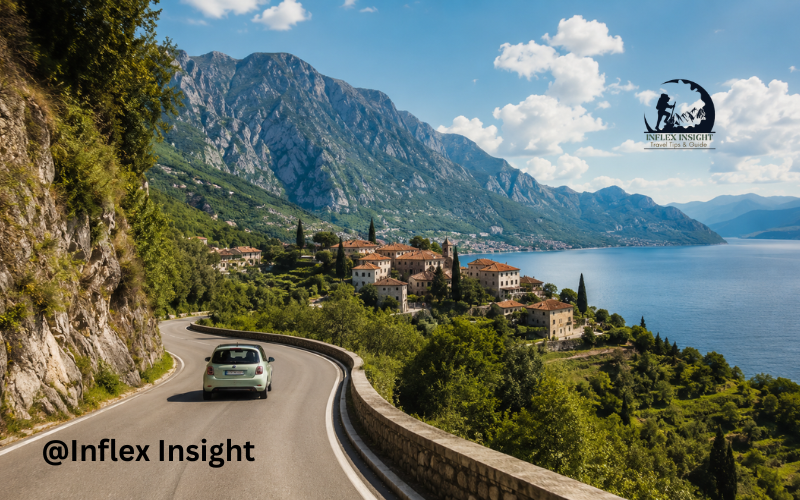
The best road trip routes in Europe are not just about reaching a destination. They are about enjoying the journey, stopping in beautiful towns, seeing changing landscapes, and experiencing different cultures at your own pace. Europe is one of the best places in the world for road trips because the distances between countries, cities, mountains, beaches, and villages are often manageable. In one trip, you can drive from a historic city to a quiet lake, then continue toward the coast or into the mountains.
A great European road trip depends on what kind of traveler you are. Some people want dramatic coastal roads, while others prefer peaceful countryside, alpine views, castles, food stops, or multi-country adventures. The right route also depends on your time, season, budget, and comfort with driving. This guide follows a route-focused structure based on the provided article outline, covering scenic coastal drives, mountain routes, countryside journeys, and practical travel planning ideas.
How to Choose the Right European Road Trip Route
Before choosing from the best road trip routes in Europe, think about the experience you want. A coastal route like Italy’s Amalfi Coast feels very different from Scotland’s North Coast 500 or Iceland’s Ring Road. Some routes are better for relaxed sightseeing, while others require more time, careful planning, and confidence behind the wheel.
Trip length matters too. If you only have a few days, a compact route through Germany, France, Portugal, or northern Italy may work well. For a longer trip, Iceland, Norway, Scotland, or a multi-country route can give you more freedom. You should also consider toll roads, parking rules, border crossings, weather, and whether your rental car company allows travel between countries.
Amalfi Coast, Italy: A Dramatic Coastal Drive with Iconic Views
The Amalfi Coast is one of Europe’s most famous coastal drives. It is best known for its cliffside roads, sea views, pastel-colored villages, and charming towns such as Sorrento, Positano, Amalfi, and Ravello. This route is ideal for travelers who want a romantic, scenic, and food-filled road trip.
However, the Amalfi Coast is not the easiest drive in Europe. The roads can be narrow, busy, and winding, especially during summer. For a smoother experience, spring and early autumn are often better choices. This route is best enjoyed slowly, with time to stop for views, local meals, and short walks through the towns.
Romantic Road, Germany: Castles, Medieval Towns, and Countryside Charm
Germany’s Romantic Road is perfect for travelers who want a gentle and classic European road trip. It passes through historic towns, countryside landscapes, old walls, churches, and fairytale-style places. The route is strongly linked with nature, culture, art, food, and hospitality, making it one of Germany’s most loved holiday routes.
Popular stops include Würzburg, Rothenburg ob der Tauber, Augsburg, and Füssen. This route is especially good for first-time road trippers in Europe because it feels easy to follow and offers plenty of rewarding stops without needing very difficult driving. It is also a good option for families and history lovers.
North Coast 500, Scotland: Wild Landscapes and Remote Coastal Roads
The North Coast 500 is one of the most memorable road trips in the United Kingdom. It begins and ends in Inverness and covers a circular route through the Scottish Highlands. The official route is just over 500 miles, with coastal scenery, white sandy beaches, mountains, fishing villages, and remote landscapes.
This road trip is best for travelers who enjoy nature, open spaces, and slower travel. Stops often include Applecross, Ullapool, Durness, John o’Groats, and Caithness. The weather can change quickly, so flexibility is important. It is better to take several days instead of rushing, because the beauty of this route is found in quiet viewpoints, small villages, and peaceful coastal roads.
Iceland Ring Road: Waterfalls, Volcanoes, Glaciers, and Open Roads
Iceland’s Ring Road is one of the best road trip routes in Europe for adventure and natural beauty. It circles the island and connects many of Iceland’s most famous landscapes, including waterfalls, black sand beaches, glaciers, volcanoes, hot springs, and small towns. Visit Iceland describes the Ring Road as a 1,322 km route around the country.
This route is best for travelers who have at least one week, though more time is better. Key stops can include Reykjavik, the South Coast, Jökulsárlón Glacier Lagoon, Akureyri, and Lake Mývatn. Summer usually brings easier driving conditions and longer daylight hours, while winter can be beautiful but more challenging due to weather and road conditions.
Norwegian Fjord Routes: Europe’s Most Dramatic Mountain-and-Water Drives
Norway offers some of Europe’s most dramatic road trip scenery. The country’s fjord routes combine mountains, waterfalls, tunnels, ferries, and viewpoints. The Geiranger-Trollstigen route is especially famous for its steep mountain roads and dramatic western Norway scenery. Visit Norway notes that Trollstigen winds up a steep mountainside through 11 hairpin bends.
A Norwegian road trip is best for travelers who want a slow and scenic journey rather than a fast drive. Routes around Geirangerfjord, Trollstigen, the Atlantic Road, and Lofoten are ideal for photography, nature, and peaceful travel. Because ferries and weather can affect your journey, it is smart to plan extra time.
Swiss Alps and Northern Italy: Mountain Passes, Lakes, and Alpine Villages
For mountain lovers, a road trip through Switzerland and northern Italy can be unforgettable. This route can include Lucerne, Interlaken, St. Moritz, Lake Como, and the Dolomites. The scenery changes from clear lakes and green valleys to high mountain passes and elegant alpine towns.
This type of trip is best for travelers who enjoy beautiful landscapes and do not mind careful mountain driving. Some alpine roads are seasonal, so summer and early autumn are often the best times to travel. It is also a good route for couples, photographers, and anyone who wants a mix of nature, comfort, and scenic villages.
Provence and the French Riviera: Villages, Lavender, and Coastal Roads
A road trip through Provence and the French Riviera offers a softer and more relaxed side of Europe. Instead of dramatic mountain roads, this route is about stone villages, markets, vineyards, lavender fields, Mediterranean views, and stylish coastal towns. Good stops include Avignon, Gordes, Aix-en-Provence, Nice, Èze, and Monaco.
This route is ideal for food lovers, culture seekers, and travelers who want a balance of countryside and coast. Late spring and early autumn are pleasant for weather and crowds, while summer is popular but busier. If lavender is part of your plan, timing matters because the fields are seasonal.
Spain’s Northern Coast: Green Landscapes, Beaches, and Food-Focused Stops
Northern Spain is a wonderful choice for travelers who want coastal beauty without the same level of crowds found in some Mediterranean areas. The route from Bilbao toward Santander, Gijón, Oviedo, and Santiago de Compostela offers green landscapes, ocean views, beaches, mountains, and excellent food.
This road trip is especially good for travelers who enjoy local culture and slower exploration. It feels different from southern Spain because the climate is greener, the scenery is softer, and the food traditions are very strong. It is a strong option for those looking for a less obvious European road trip.
Portugal’s Douro Valley and Atlantic Coast
Portugal is one of the best countries for a scenic and manageable road trip. A route from Porto through the Douro Valley and down toward the Atlantic Coast can include river views, vineyards, coastal towns, and cities such as Aveiro, Nazaré, and Lisbon.
This journey works well for couples, relaxed travelers, and food and wine lovers. The Douro Valley offers peaceful roads and beautiful viewpoints, while the Atlantic Coast adds beaches, fishing towns, and dramatic ocean scenery. Compared with some larger European routes, Portugal can feel easier to plan and less overwhelming.
Croatia’s Adriatic Coast: Island Views, Old Towns, and Seaside Highways
Croatia’s Adriatic Coast is one of the most attractive road trip routes in southern Europe. The drive can include Split, Zadar, Dubrovnik, Makarska, Plitvice Lakes, and nearby islands. It combines coastal views with historic old towns, clear water, beaches, and national parks.
This route is best for summer travelers, beach lovers, and people who enjoy both history and natural scenery. However, summer can be crowded, especially around Dubrovnik and major coastal towns. Booking accommodation early and planning parking ahead can make the trip much easier.
Best Multi-Country Road Trip Routes in Europe
One reason Europe is so exciting for road trips is the chance to visit more than one country in a single journey. Popular combinations include France to Switzerland to Italy, Germany to Austria to Slovenia, Spain to Portugal, and the Netherlands to Belgium to France.
A multi-country route can be rewarding, but it needs careful planning. You may need to check tolls, vignettes, low-emission zones, border rules, and rental car conditions. It is usually better to visit fewer places well than to rush through too many countries in one trip.
Best Time of Year for Road Trips in Europe
The best time for a European road trip depends on the route. Spring is great for mild weather, flowers, and smaller crowds. Summer is best for mountain passes, long daylight hours, beach routes, and northern destinations. Autumn is excellent for vineyards, countryside drives, and colorful landscapes. Winter can be magical in alpine areas, but it also requires more caution.
For most travelers, late spring and early autumn offer the best balance of weather, prices, and crowd levels. For routes like Iceland, Norway, and the Alps, always check road conditions before finalizing your plan.
Practical Tips Before Driving Across Europe
Driving in Europe can be simple if you prepare well. Check whether you need an International Driving Permit, understand local speed limits, and learn basic parking rules before you arrive. Some cities have restricted driving zones, and many countries use toll roads or vignette stickers.
It is also wise to download offline maps, keep some local currency for parking or small stops, and avoid planning too much driving in one day. The best road trips allow time for unexpected views, meals, and small towns along the way.
Conclusion
The best road trip routes in Europe depend on your travel style, time, season, and comfort with driving. If you want coastal beauty, the Amalfi Coast, Croatia, Portugal, and northern Spain are excellent choices. If you prefer mountains and dramatic landscapes, Norway, Switzerland, Iceland, and Scotland offer unforgettable scenery. For history and easy planning, Germany’s Romantic Road is a strong option.
A good European road trip is not about seeing everything at once. It is about choosing a route that fits your pace, leaving space for real experiences, and enjoying the road as much as the destination.
FAQs
1. What is the best road trip route in Europe for first-time travelers?
Germany’s Romantic Road is one of the best choices for first-time travelers because it is scenic, historic, and easier to manage than many mountain or coastal routes.
2. How many days do you need for a Europe road trip?
A short road trip can take 3 to 5 days, but 7 to 14 days is better for routes like Iceland’s Ring Road, Scotland’s North Coast 500, or a multi-country journey.
3. Which European road trip is best for scenery?
Norway’s fjord routes, Iceland’s Ring Road, Scotland’s North Coast 500, and the Swiss Alps are among the best road trip routes in Europe for dramatic scenery.
4. Is it easy to drive between countries in Europe?
In many parts of Europe, it is fairly easy to drive between countries, but you should check rental car rules, tolls, vignettes, insurance, and local driving regulations before crossing borders.
5. What is the best season for a European road trip?
Late spring and early autumn are often the best seasons because the weather is pleasant and crowds are usually smaller. Summer is better for northern routes, beaches, and high mountain roads.