
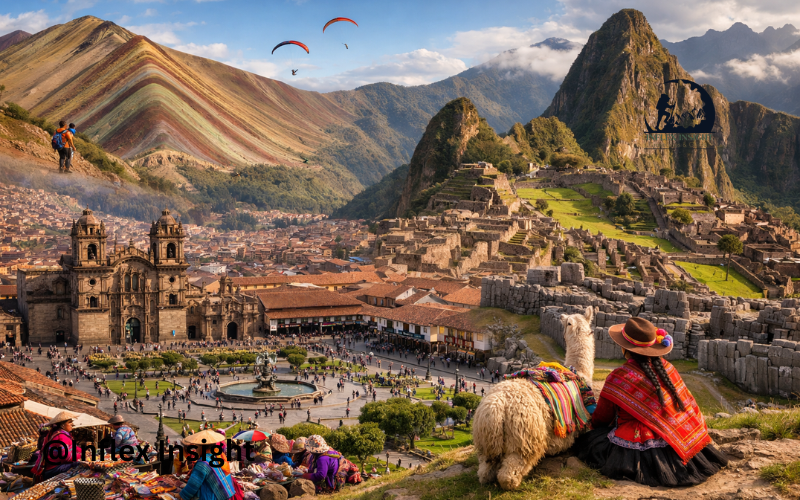
Nestled high in the Peruvian Andes, Cusco is a city where history, culture, and breathtaking scenery converge. Once the heart of the Inca Empire, this historic capital is a treasure trove of ancient ruins, colonial architecture, and vibrant local life. For travelers seeking a mix of adventure, history, and culture, Cusco offers an unforgettable experience.
Whether wandering the cobbled streets, visiting centuries-old temples, or venturing into nearby valleys and mountains, there’s no shortage of things to do in Cusco. This guide provides a practical and easy-to-follow roadmap for exploring the city and its surroundings, helping visitors make the most of their stay in this remarkable destination.
Explore Cusco’s Historic Heart
At the center of Cusco lies the Plaza de Armas, a lively square surrounded by colonial-era buildings and the backdrop of the city’s rich history. The square is the perfect starting point for any exploration, offering a glimpse into the city’s past while serving as a hub for local activity. From here, visitors can admire the Cusco Cathedral, a stunning example of Spanish colonial architecture that houses intricate altarpieces and religious artwork. The cathedral stands as a reminder of the city’s transformation under Spanish rule and remains an important cultural landmark.
A short walk from the plaza brings you to Hatunrumiyoc Street, home to the famous 12-Angle Stone. This remarkable example of Inca masonry, with twelve perfectly cut angles fitting seamlessly together, showcases the precision and skill of the ancient builders. Standing before this stone, visitors can feel a tangible connection to the city’s Inca roots.
Other nearby landmarks, including churches and historical buildings, reflect the unique fusion of Inca and Spanish influences that define Cusco’s architecture. Wandering through this historic heart allows travelers to absorb the city’s vibrant atmosphere while stepping back in time to the days of the Inca Empire.
Ancient Inca Ruins Around the City
Just beyond the bustling city streets, Cusco is surrounded by some of the most impressive Inca ruins in Peru. Sacsayhuamán, a fortress perched on a hill overlooking the city, is a must-visit. Its massive stone walls, built with precision without mortar, provide insight into the engineering brilliance of the Inca civilization. The site also offers panoramic views of Cusco, making it an ideal spot for photography and reflection.
Nearby, Q’enqo, Puka Pukara, and Tambomachay provide additional glimpses into Inca life. Q’enqo is believed to have served ceremonial purposes, with carved stone structures that hint at religious rituals. Puka Pukara, or “Red Fortress,” may have functioned as a military outpost, while Tambomachay features aqueducts and fountains that reveal the Inca’s advanced water management techniques.
For those planning to visit multiple sites, it’s helpful to organize your trips efficiently. Many of these ruins are located within a short drive or even a long walk from each other, so scheduling visits by proximity can save time and allow for a more relaxed experience. Hiring a local guide or joining a small group tour can also provide valuable context, turning each visit into a richer learning experience.
Stroll Through Vibrant Neighborhoods
Cusco’s charm extends beyond its historical landmarks. The San Blas neighborhood is a highlight for anyone seeking to experience the city’s artistic side. Narrow, winding streets are lined with artisan workshops, galleries, and quaint cafes. It’s the perfect area to stroll, admire local craftsmanship, and perhaps purchase unique souvenirs directly from the artists who create them.
San Pedro Market offers a different but equally engaging experience. This bustling market is where locals shop for fresh produce, meats, and traditional goods. Visitors can sample Peruvian snacks, watch the colorful daily life unfold, and explore the rich variety of handmade crafts and textiles. The market is also an excellent place for photography and capturing authentic scenes of everyday Cusco life.
Other neighborhoods and cultural hotspots provide more opportunities for wandering and discovery. Many streets feature small plazas, hidden cafes, and artisan shops, inviting travelers to take their time and enjoy the city’s rhythm. A casual walk through Cusco’s neighborhoods often leads to unexpected encounters with local musicians, street performances, and lively cultural events, making each stroll memorable.
Must-Try Local Experiences
No visit to Cusco is complete without experiencing the city’s culinary and cultural offerings. Traditional Peruvian dishes, such as Lomo Saltado—a flavorful stir-fry of beef, vegetables, and fries—are a must-try. Pairing meals with a Pisco Sour, Peru’s famous cocktail, offers a true taste of the region’s flavors. Dining in Cusco ranges from street food stalls to fine restaurants, ensuring there’s something for every taste and budget.
For those seeking hands-on experiences, cooking classes and chocolate workshops are excellent options. Learning to prepare local dishes or craft chocolate with the guidance of skilled instructors not only enhances your culinary knowledge but also deepens your appreciation for Peru’s rich food heritage. Artisan tours offer similar immersive experiences, allowing visitors to observe and participate in traditional crafts.
In the evenings, Cusco’s nightlife comes alive with cultural performances, live music, and casual bars. Visitors can enjoy everything from folk dances and Andean music to contemporary music venues, offering a blend of entertainment that complements the city’s historic ambiance.
Day Trips and Outdoor Adventures
Beyond the city, Cusco serves as a gateway to some of Peru’s most stunning landscapes and historical sites. The Sacred Valley, which includes Pisac and Ollantaytambo, is renowned for its impressive Inca ruins, traditional markets, and breathtaking scenery. Pisac is famous for its hillside ruins and vibrant market, while Ollantaytambo offers a well-preserved fortress and village that transports visitors back to Inca times.
For outdoor enthusiasts, Rainbow Mountain, or Vinicunca, provides one of the most iconic hiking experiences in the region. Its striking, multicolored slopes attract adventurers and photographers alike. Similarly, the hike to Humantay Lagoon rewards trekkers with serene turquoise waters set against towering Andean peaks.
Other notable excursions include the Maras Salt Ponds, where salt has been harvested in terraced ponds for centuries, and the 7 Lagoons of Ausangate, a high-altitude trek that showcases Peru’s natural beauty in a truly spectacular setting. These day trips allow travelers to experience a combination of history, culture, and adventure, making them an essential part of any Cusco itinerary.
Practical Tips for Visiting Cusco
Visiting Cusco requires a bit of planning, particularly because of its high altitude. At approximately 3,400 meters (11,200 feet) above sea level, the city can cause altitude sickness for some travelers. Acclimatizing gradually, staying hydrated, and avoiding strenuous activity during the first day or two are important steps to ensure a comfortable visit.
The Boleto Turístico, or Tourist Ticket, is highly recommended for those planning to explore multiple archaeological sites. This ticket provides access to many of Cusco’s historic and cultural attractions at a discounted rate and simplifies planning for travelers who want to see as much as possible.
Timing your visit is also crucial. The dry season, from May to October, is generally the best period for hiking and outdoor activities, while the wet season may limit access to some trails and sites. Local transportation, guided tours, and appropriate clothing for varying weather conditions will help ensure a smooth and enjoyable trip.
Conclusion
Cusco is a city that effortlessly blends history, culture, and natural beauty. From exploring its historic heart and ancient Inca ruins to wandering vibrant neighborhoods and savoring local flavors, there is a wealth of things to do in Cusco for every type of traveler. Day trips to the Sacred Valley, Rainbow Mountain, and other outdoor wonders further enhance the experience, offering adventure and breathtaking scenery beyond the city limits.
A visit to Cusco is most rewarding when travelers balance historical exploration with cultural immersion and outdoor adventure. Whether you are wandering cobbled streets, tasting traditional Peruvian cuisine, or hiking through dramatic landscapes, Cusco leaves a lasting impression. Planning your trip carefully and embracing the city’s rich heritage ensures an unforgettable journey into the heart of the Inca Empire.
FAQs
1. What is the best time to visit Cusco?
The dry season, from May to October, is ideal for sightseeing and outdoor activities. Avoid the wet season for hiking.
2. Do I need a guide to explore Cusco’s ruins?
While optional, a local guide enhances the experience by sharing history, legends, and cultural insights.
3. How can I acclimatize to Cusco’s high altitude?
Rest on arrival, stay hydrated, avoid heavy meals and alcohol, and take it slow for the first day or two.
4. Which day trips are must-dos from Cusco?
Sacred Valley (Pisac & Ollantaytambo), Rainbow Mountain, Humantay Lagoon, Maras Salt Ponds, and Ausangate 7 Lagoons are highly recommended.
5. Can I explore Cusco on my own without tours?
Yes, many sites are walkable or reachable by taxi, but tours make historical sites easier to understand and can save time.