
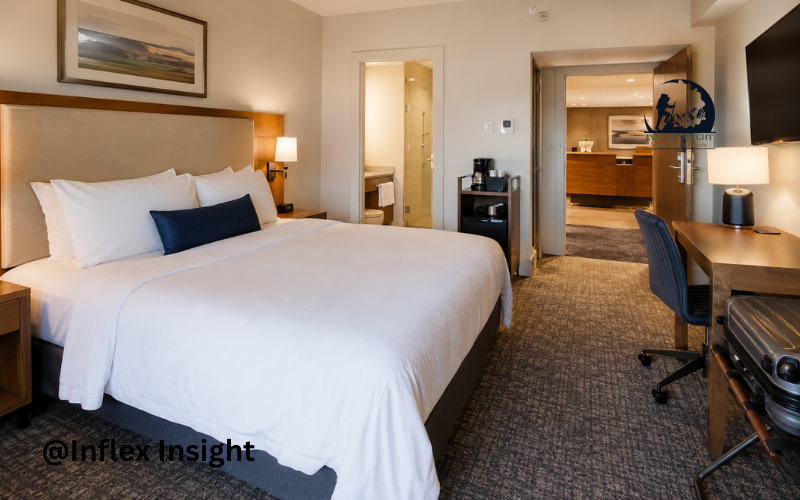
A hotel midscale property offers a comfortable stay at a reasonable price. It sits between a basic budget hotel and a more expensive upscale property. This category is popular with travelers who want clean rooms, useful amenities, and dependable service without paying for luxury features they may not need.
Midscale hotels serve many types of guests, including families, business travelers, couples, and people taking road trips. Although services vary between properties, guests can usually expect more comfort than they would receive at an economy hotel. At the same time, the experience is generally simpler and more affordable than an upscale stay.
Understanding the midscale hotel category can make it easier to compare accommodation options. It can also help travelers avoid paying too much or booking a property that does not provide the facilities they require.
What Defines a Midscale Hotel
A midscale hotel is mainly defined by its balance of price, comfort, amenities, and service. It normally provides private guest rooms with essential facilities, along with a small selection of extra conveniences.
There is no single worldwide standard that every hotel must follow to qualify as midscale. Classification can depend on the hotel brand, location, market, and rating organization. For this reason, two midscale properties may offer different experiences.
Most hotels in this category focus on reliable quality instead of luxury. Rooms are usually practical and comfortable, while public areas are designed to be clean and welcoming. Service is often friendly but limited compared with full-service upscale hotels.
A hotel midscale property may belong to a well-known chain or operate as an independent business. The brand name alone, however, should not be used to judge quality. The condition, management, location, and recent guest feedback of the individual property also matter.
Typical Rooms, Amenities, and Guest Services
Rooms at midscale hotels commonly include a private bathroom, television, work desk, climate control, storage space, and Wi-Fi. Many properties also provide a coffee maker, hairdryer, iron, small refrigerator, or microwave.
The design is generally simple but more polished than what guests may find in basic economy accommodation. Beds often have comfortable mattresses, clean linens, and several pillows. Rooms may not have luxury furniture or premium decorations, but they should offer a pleasant place to rest.
Available amenities depend on the property. Some midscale hotels provide complimentary breakfast, parking, a fitness room, a swimming pool, or a small business center. Others may have an on-site restaurant, meeting room, guest laundry area, or convenience shop.
Front-desk service is normally available for most or all of the day. However, room service, concierge assistance, valet parking, and spa treatments are less common. Housekeeping policies can also differ, especially for guests staying more than one night.
Midscale Hotels Compared With Budget and Upscale Properties
The main difference between hotel categories is the overall level of comfort and service provided. A budget hotel usually concentrates on essential accommodation. Its rooms may be smaller, and facilities outside the room can be limited.
A hotel midscale option normally adds more comfort and convenience. Guests may receive better bedding, more room features, breakfast, recreational facilities, or improved public spaces. The service is still relatively simple, which helps keep prices manageable.
Upscale hotels generally offer more refined rooms, stylish interiors, larger common areas, and a wider range of services. They may include full-service restaurants, bars, concierge desks, premium toiletries, and frequent housekeeping. These additions usually lead to higher room rates and extra fees.
Midscale hotels therefore appeal to people who want more than a basic bed but do not require a luxury experience.
Who Midscale Hotels Are Best Suited For
Midscale accommodation can work well for a broad range of travelers. Families may appreciate larger rooms, breakfast options, swimming pools, and free or affordable parking. Business travelers often value dependable Wi-Fi, a work area, and convenient access to commercial districts or transport routes.
Couples can choose this category when they want a comfortable short break without the cost of a premium resort. Road-trip travelers may also find midscale hotels practical because many are located near highways, airports, and suburban shopping areas.
The category can be especially suitable for guests who plan to spend most of the day exploring their destination. They can enjoy a clean and comfortable place to sleep without paying for luxury services they are unlikely to use.
What Guests Can Expect to Pay
There is no fixed price for a midscale hotel room. Rates depend on the destination, season, day of the week, local events, room type, and booking date. A property in a major city or popular resort area will usually cost more than a similar hotel in a small town.
Prices can also rise during festivals, conferences, public holidays, and school breaks. Hotels near airports, tourist attractions, and business centers may charge more because of their convenient locations.
Travelers should compare the total booking cost, not only the advertised nightly rate. Taxes, parking, breakfast, resort fees, and other charges can affect the final amount. A slightly more expensive room may provide better value if useful services are included.
Common Types of Midscale Hotels
The midscale category includes several property styles. Limited-service hotels are among the most common. They provide comfortable rooms and a few shared facilities but may not have a full restaurant or extensive guest services.
Select-service hotels offer a little more, such as a casual dining area, bar, meeting space, or larger fitness room. Extended-stay properties may include kitchenettes and laundry facilities for guests who need accommodation for several days or weeks.
Independent midscale hotels can provide a more local atmosphere, while chain properties often offer familiar standards and loyalty benefits. There are also midscale airport hotels, roadside hotels, city properties, and family-focused accommodations. Each type serves a different travel need.
Location and Accessibility Considerations
Location can have a major effect on the usefulness of a hotel midscale booking. A lower-priced room may not be a good deal if it is far from the places a guest plans to visit.
Travelers should check the distance to attractions, offices, public transport, restaurants, and essential services. They should also consider parking availability, traffic conditions, airport transfer options, and the safety of the surrounding area.
Accessibility is equally important. Guests with mobility, hearing, or visual needs should confirm that the hotel offers suitable rooms and facilities. This may include step-free access, elevators, accessible bathrooms, wider doorways, visual alarms, or reserved parking. It is wise to contact the property directly because accessibility features can differ between rooms.
How to Evaluate Comfort, Cleanliness, and Service Quality
Hotel category and star ratings do not always reveal the current condition of a property. Recent guest reviews can provide a clearer picture of cleanliness, noise, bed comfort, maintenance, and staff service.
Instead of judging a hotel by one positive or negative comment, travelers should look for repeated patterns. Several recent complaints about dirty bathrooms, broken equipment, or poor soundproofing may indicate an ongoing issue. Consistent praise for helpful employees and clean rooms is a more encouraging sign.
Guest photographs can also be useful because promotional images may have been taken when the hotel was new. Travelers should check whether recent photos match the official description. Reviewing renovation dates and management responses can provide additional context.
Choosing the Right Midscale Hotel for Your Trip
The best midscale hotel is not necessarily the cheapest or the most highly rated. It is the one that fits the traveler’s specific priorities.
Before booking, guests should consider room size, bed type, location, cancellation terms, check-in times, and included amenities. A family might prioritize breakfast and a pool, while a business traveler may care more about Wi-Fi quality and a quiet workspace.
It is also important to read the room description carefully. Some facilities shown on a hotel’s main page may only be available in certain room types. Guests who need connecting rooms, a kitchenette, an accessible bathroom, or space for an extra bed should confirm availability before arrival.
Booking Tips for Getting Better Value
Comparing prices across booking platforms and the hotel’s official website can help travelers find a suitable rate. The lowest displayed offer is not always the best choice because it may be non-refundable or exclude services included with another booking.
Flexible travel dates can result in better value. Moving a stay by one or two days may reduce the rate, particularly in destinations affected by weekend demand or business travel.
Guests should examine cancellation rules before paying. A flexible reservation may cost slightly more, but it can prevent a larger loss if plans change. Loyalty programs, member rates, longer-stay discounts, and packages can also be useful, provided the final price remains competitive.
Common Misconceptions About Midscale Hotels
One common misconception is that every midscale hotel provides exactly the same facilities. In reality, the category covers many property types, and services vary considerably.
Another misunderstanding is that midscale means low quality. A well-managed midscale property can provide excellent cleanliness, comfort, and service. It simply does not focus on luxury features.
Travelers may also assume that a familiar brand guarantees an identical experience everywhere. Brand standards can create consistency, but a hotel’s age, staff, ownership, and maintenance still influence the stay.
Finally, a higher room rate does not automatically mean better overall value. A reasonably priced property with a convenient location and included amenities may be more useful than a more expensive hotel with services the guest does not need.
Conclusion
A hotel midscale stay offers a practical balance between budget accommodation and upscale hospitality. Guests can generally expect a private, comfortable room, useful amenities, and dependable service without the higher cost associated with luxury properties.
However, the quality and facilities of individual hotels can vary. Travelers should compare recent reviews, locations, room details, included services, and total prices before making a reservation. With careful research, a midscale hotel can provide the comfort, convenience, and value needed for an enjoyable trip.
FAQs
1. What does hotel midscale mean?
Hotel midscale refers to an accommodation category positioned between budget and upscale hotels. It usually provides comfortable rooms, essential services, and selected amenities at a moderate price.
2. Is a midscale hotel the same as a three-star hotel?
Not always. Many midscale properties may receive three-star ratings, but rating systems differ between countries and organizations. It is better to examine the hotel’s actual facilities and recent reviews.
3. Do midscale hotels include free breakfast?
Some do, but breakfast is not guaranteed. It may be complimentary, available for an extra fee, or unavailable at certain properties. Guests should check the booking details.
4. Are midscale hotels suitable for families?
Yes, many are suitable for families. Properties may provide larger rooms, swimming pools, breakfast, parking, or connecting rooms. Family-friendly facilities should be confirmed before booking.
5. How can I identify a good midscale hotel?
Look at recent guest reviews, current photographs, room facilities, cleanliness reports, location, cancellation terms, and the complete price. Contact the hotel directly if an important detail is unclear.