
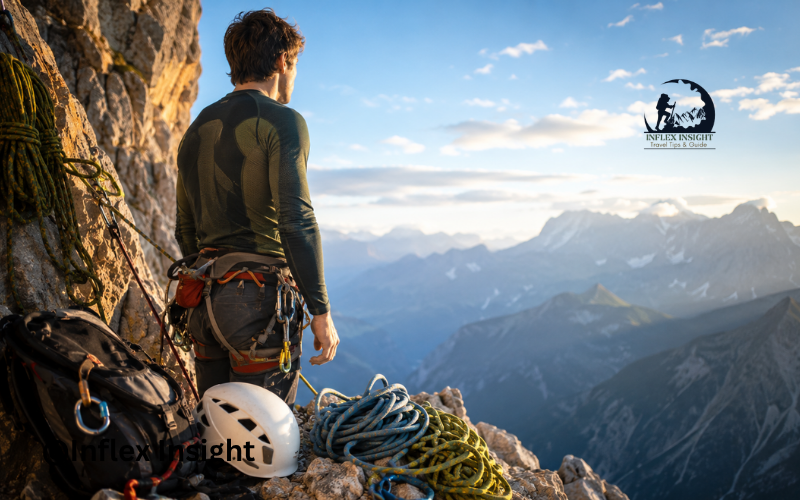
A difficult outdoor trip puts more pressure on equipment than a casual day hike. Steep terrain, changing weather, long distances, moisture, temperature swings, and limited access to supplies can turn small gear problems into major setbacks.
Good preparation starts by matching equipment to the specific environment. Instead of packing every piece of outdoor gear you own, build a system around expected weather, terrain, trip duration, physical workload, and access to shelter or resupply.
Start With the Conditions, Not the Gear List
Before packing, study the route and the conditions you are likely to encounter.
Check elevation changes, trail surfaces, water crossings, exposed sections, expected temperatures, and available shelter. A route covering ten miles on maintained trails requires different equipment from ten miles of steep, rocky terrain.
Weather forecasts should guide preparation, but they should not define the only conditions you are prepared to handle. Mountain and backcountry environments can change quickly.
Build Your Equipment Plan Around
- Expected temperature range
- Rain and wind exposure
- Elevation gain
- Terrain difficulty
- Trip duration
- Water availability
- Daylight hours
- Distance from emergency access
This creates a practical baseline for deciding what belongs in your pack.
Choose Clothing That Manages Heat and Moisture
Outdoor clothing needs to regulate temperature while allowing unrestricted movement.
For climbing and other high-output activities, avoid relying on one heavy garment. Layering makes it easier to respond as activity levels and weather change.
A moisture-managing base layer can move perspiration away from the skin. An insulating layer can retain warmth during rest periods, while an outer shell provides protection from wind and precipitation.
For climbing groups or outdoor teams that want coordinated performance clothing, custom climbing apparel can provide moisture-wicking shirt and jersey options that can be customized for a group. Sports Gear Swag currently offers climbing apparel in multiple fabric, fit, and sleeve configurations.
Whatever you wear, test it during training. Clothing that feels comfortable for twenty minutes may behave very differently after several hours of climbing, hiking, or carrying a loaded pack.
Build a Layering System You Can Adjust Quickly
Each layer should serve a specific purpose.
The base layer manages moisture. The middle layer provides insulation. The outer layer protects against environmental exposure.
Do not bury frequently needed layers at the bottom of your pack. Weather protection should be accessible without unloading everything beside the trail.
Avoid cotton for situations where becoming wet could create a problem. Once saturated, it can remain wet for an extended period and become uncomfortable in cooler conditions.
Select Footwear for Terrain and Load
Footwear deserves as much attention as clothing.
The right boot depends on terrain, pack weight, weather, ankle-support preferences, and how much flexibility you need. Smooth trails may suit lighter hiking footwear, while rocky or uneven ground can justify more supportive construction.
Some tactical boots are also designed for demanding outdoor use, with options emphasizing traction, ankle coverage, durable construction, cushioning, and weather resistance. LA Police Gear currently carries tactical footwear intended for field, duty, training, and rugged outdoor environments.
Do not take new boots directly onto a long trip. Wear them during shorter outings first so you can identify pressure points, heel movement, or sizing problems.
Protect Your Feet Before Problems Start
Blisters can turn an otherwise manageable route into a difficult one.
Use socks appropriate for the temperature and activity. Carry a dry backup pair on longer trips, especially when water crossings or heavy rain are possible.
Pay attention to discomfort early. A small hot spot is easier to manage than a developed blister several miles later.
Trim toenails before steep descents, confirm that your toes have adequate room inside the footwear, and make sure your heel remains reasonably secure.
Control Pack Weight
Packing for every imaginable emergency can create another problem: excessive weight.
A heavy pack increases energy requirements and can make steep climbs, descents, and technical movement more difficult.
Start with essential systems such as shelter, water, food, navigation, weather protection, first aid, and lighting. Then evaluate optional equipment according to the actual route.
Prioritize High-Value Items
Typical essentials include:
- Water and treatment method
- High-energy food
- Navigation tools
- Headlamp and backup power
- First-aid supplies
- Weather protection
- Emergency insulation
- Appropriate communication equipment
- Basic repair supplies
For group trips, divide shared equipment instead of having everyone carry duplicate items.
Carry More Than One Navigation Method
Phones have made outdoor navigation easier, but they should not create complete dependence on a single device.
Download maps for offline use before leaving reliable cellular coverage. Keep the device protected from water and conserve battery power during longer trips.
For remote or complicated routes, carry an appropriate backup such as a physical map and compass and know how to use them.
Navigation preparation should happen before the trip. Study major junctions, terrain features, turnaround points, and possible exit routes rather than relying entirely on turn-by-turn directions.
Plan Water Around the Route
Water is heavy, so simply carrying as much as possible is not always efficient.
Estimate consumption based on distance, temperature, elevation, and exertion. Identify reliable refill locations where they exist and bring an appropriate treatment method if you plan to use natural water sources.
Do not assume a stream shown on a map will contain usable water during every season.
In hot environments, hydration planning also needs to account for electrolyte loss during prolonged activity.
Pack for Delays, Not Just the Planned Duration
A day trip can last longer than expected because of navigation errors, weather, fatigue, injury, or slower terrain.
Carry enough basic equipment to handle a reasonable delay.
That does not mean bringing expedition equipment on every hike. It means having additional insulation, lighting, food, water capacity, and emergency supplies appropriate to the consequences of being delayed.
A headlamp is particularly useful even when you expect to return well before sunset.
Protect Important Equipment From Water
A waterproof backpack does not guarantee that everything inside will stay dry.
Use dry bags, waterproof pouches, or sealed internal liners for items that must remain functional. Prioritize insulation, electronics, maps, medical supplies, and spare clothing.
Separate wet clothing from dry layers after heavy rain or water crossings.
This allows you to keep at least one dry insulation system available if the temperature drops.
Test Gear Before the Trip
The worst place to discover an equipment problem is several miles from the trailhead.
Wear your complete clothing system during training. Walk with your actual pack weight. Test your rain protection. Use your water filter. Confirm that your headlamp works and that batteries are charged.
Practice packing so frequently needed equipment has a predictable location.
These small rehearsals reduce wasted time and reveal equipment problems while they are still easy to correct.
Prepare for the Adventure You Are Actually Taking
Good outdoor preparation is not about owning the most technical gear. It is about understanding what the route demands and building a reliable system around those conditions.
Choose clothing that manages moisture and temperature. Match footwear to the terrain. Keep pack weight controlled, protect critical equipment from weather, and carry reliable navigation and emergency supplies.
Most importantly, test everything before departure.
Challenging outdoor adventures become much easier to manage when your equipment has already been proven under realistic conditions. The less time you spend adjusting uncomfortable clothing, searching through an overloaded pack, or dealing with avoidable equipment failures, the more attention you can give to the terrain and the experience itself.