
Introduction
Italy’s renowned cities like Rome, Florence, and Venice captivate millions, but the country’s allure extends far beyond these iconic destinations. Nestled amidst its picturesque landscapes are countless charming towns and smaller cities waiting to be discovered. Immersing yourself in these off-the-beaten-path locales offers a window into authentic Italian culture and history, all while sidestepping the crowds that flock to the more famous sights. For travelers eager to design a meaningful trip, Italy tour packages can be a convenient way to discover both the classics and hidden treasures. Beyond the headline destinations, Italy’s lesser-known regions deliver the best of dolce vita, think winding medieval streets, slow food markets, local festivals, and breathtaking nature. These hidden gems allow visitors to find their own pace among friendly, welcoming communities, supporting the kind of slow, sustainable travel that benefits both visitor and host. Exploring these less touristy places isn’t just about escaping crowds. It’s about going to the heart of traditions, experiencing hands-on craftsmanship, enjoying regional specialties, and seeing landscapes that remain largely untouched. Whether you dream of sipping wine in rolling hills, hiking wild mountains, or discovering ancient villages, Italy’s quieter corners hold rich rewards for the curious traveler. Slow travel through these hidden gems has another important benefit: it helps maintain the balance between tourism and local life, preserving what makes these destinations so special for generations to come. Visiting lesser-known Italian regions and towns can be the most rewarding way to experience a country famed for its hospitality and heritage.
Umbria: Italy’s Green Heart Without the Crowds
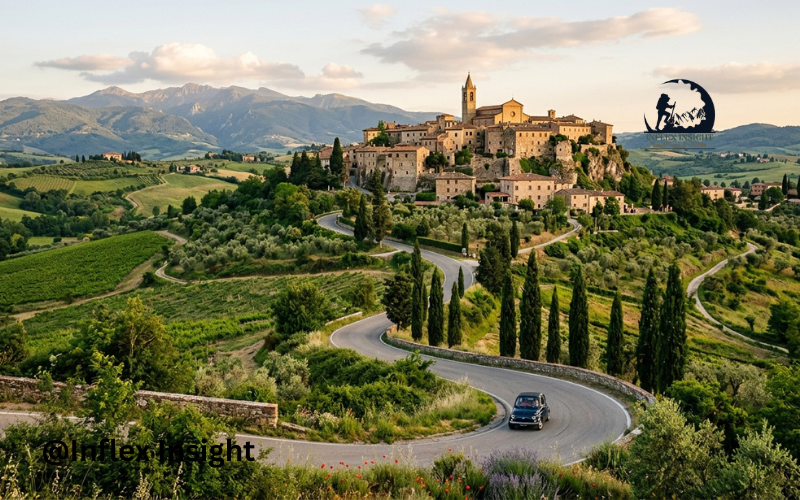
Umbria is everything people love about Tuscany: rolling green hills, hilltop medieval villages, and exquisite wine, but without crowds or inflated prices. The international profile here is lower, which means the quality of staying, eating, and sightseeing is a better value while remaining just as authentic. Bevagna or Montefalco make perfect bases, with easy access to the Sagrantino wine country. Locals welcome visitors with genuine warmth, and the smaller scale encourages spontaneous conversation and relaxed exploration.
Puglia: The Slow Travel Capital of Southern Italy
Puglia, the “heel” of Italy, is a standout destination for slow travel with its remarkable food, dramatic coastline, and unique architectural heritage. Here you’ll taste burrata and orecchiette at their source, wander among the baroque facades of Lecce, and discover the whimsical trulli houses in Alberobello. Hotels in white-washed towns like Ostuni or Locorotondo offer superb access to both coast and countryside. Masserie (traditional rural estates) are among the best-value luxury options in Italy, ranging from rustic to high-end chic, and promise a true taste of southern hospitality surrounded by olive groves and vineyards.
Emilia-Romagna: Italy’s Food Valley
No region rivals Emilia-Romagna in culinary tradition. Here, Parmigiano-Reggiano cheese, Prosciutto di Parma, balsamic vinegar from Modena, and rich ragu are still very much a part of everyday life and local identity. Bologna is an ideal base for food lovers, with its lively markets, historical arcades, and thriving university community. Spend five days or more here, taking day trips to smaller towns like Parma, Modena, and the Apennine mountains. You’ll find fewer international tourists, a laid-back pace, and some of Italy’s best cuisine.
Piedmont: For Wine and Truffle Lovers
The Langhe hills of Piedmont are a dream come true for wine lovers, offering panoramic vineyards with world-class Barolo and Barbaresco. Truffle season, from October to November, draws passionate chefs and foodies to the region’s intimate restaurants and outdoor festivals. The landscape, a UNESCO World Heritage site, invites travelers to wander from farm to cellar, enjoying long lunches of tajarin pasta or bagna cauda. La Morra or Barolo itself are prime bases, boasting direct vineyard access and tranquil evening views across the vine-laced hills.
Abruzzo: Italy’s Wild Center
Just 90 minutes east of Rome lies Abruzzo, a region that remains one of Italy’s truly undiscovered gems. Here, serious hikers and nature lovers can explore the Majella and Gran Sasso mountain massifs. At the same time, those looking for a quiet seaside escape will find the Adriatic coastline unspoiled and affordable. With a surge in visitor interest, now is the perfect moment to experience Abruzzo’s authentic food, wild parks, and medieval hamlets before it starts to attract more attention.
Sicily: Best in Spring and Autumn
Sicily is a land of staggering diversity, offering everything from Greek ruins and Arab-Norman cathedrals to volcanic peaks and shimmering coast. For the most rewarding slow travel experience, dedicate a week to Palermo and another to the Baroque towns of the Val di Noto or the wine region around Mount Etna. The atmosphere in September and October, during the grape harvest, is especially memorable, with lively festivals and golden light across the countryside. Seafood markets, trattorias, and village squares come alive with the rhythms of Sicilian daily life.
Conclusion
By embracing slow travel and seeking out Italy’s hidden gems, travelers unlock opportunities for richer cultural engagement, stunning landscapes, and peaceful escapes. These lesser-known destinations allow for a deeper experience of Italy’s famed hospitality while helping protect local traditions and the environment. Exploring charming villages, scenic countryside, and lesser-visited coastal towns encourages meaningful interactions with local communities and supports small businesses that preserve regional culture and craftsmanship. If you are seeking a travel experience that is as sustainable as it is unforgettable, consider charting your path through the authentic heart of Italy’s most enchanting regions. Taking time to savor local cuisine, participate in cultural traditions, and appreciate the natural beauty of each destination creates memories that go beyond sightseeing. By traveling thoughtfully and responsibly, you contribute to the preservation of Italy’s cultural heritage while enjoying a more immersive, rewarding, and truly memorable journey.