
Introduction
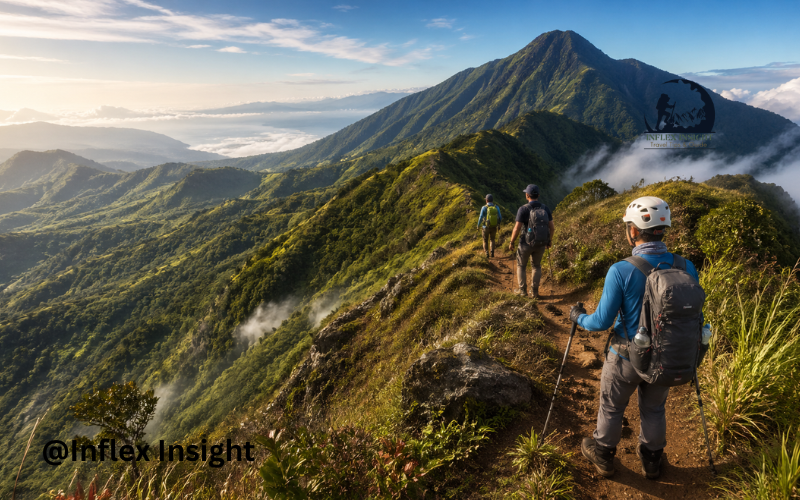
Mountaineering in Philippines is the activity of exploring and climbing the country’s mountains, volcanoes, ridgelines, and forest trails. It can be as simple as a short day hike near a city or as challenging as a multi-day climb through remote terrain. Because the Philippines is made up of many islands, mountaineering here often combines mountain adventure with tropical scenery, local culture, and beautiful coastal views.
The country is a unique destination for climbers because its mountains are not all the same. Some trails pass through thick tropical forests, while others lead to crater lakes, volcanic slopes, grasslands, mossy forests, and open ridges. Many mountains also offer views of nearby islands, beaches, towns, and rice fields, making the experience feel different from climbing in landlocked countries.
Hikers and climbers are drawn to Philippine mountains because they offer variety. Beginners can enjoy easier trails with rewarding views, while experienced mountaineers can take on tougher peaks that require stronger fitness and better preparation. This guide covers the best mountains, difficulty levels, preparation, safety, permits, seasons, and responsible climbing practices for anyone interested in mountaineering in Philippines.
Why Mountaineering in the Philippines Feels Different
Mountaineering in the Philippines feels special because the country’s landscape changes quickly. A trail may begin in a village, pass through farmland, enter a forest, cross rivers, and end at a summit with views of the sea. This mix of mountain and island scenery gives climbers a memorable experience.
Another reason it feels different is the close connection between mountains and local communities. Many trails pass through small villages where guides, porters, and local tourism offices help manage the climbing experience. This makes mountaineering not only an outdoor activity but also a way to understand local life, customs, and hospitality.
The tropical climate also adds to the challenge. Trails can be muddy, humid, and slippery, especially during the rainy season. Even a short climb can feel demanding because of heat, sudden rain, or steep paths. This is why preparation is important, even for mountains that look easy on paper.
Best Mountains for Mountaineering in Philippines
The Philippines has many popular mountains for different skill levels. Mount Pulag in Luzon is one of the most famous because of its cool weather, grassland trails, and “sea of clouds” views. Mount Apo in Mindanao, the highest mountain in the country, is a major goal for many experienced climbers. Mount Batulao, Mount Maculot, Mount Ulap, and Mount Daraitan are also popular choices because they are accessible and scenic.
For climbers who enjoy volcano landscapes, Mount Pinatubo, Taal Volcano viewpoints, Mount Kanlaon, and Mount Mayon areas are often discussed among adventure travelers. Some of these areas may have restrictions depending on volcanic activity, so checking local rules before visiting is always important.
The best mountain depends on your fitness level, available time, budget, and comfort with outdoor conditions. Some climbs can be done in one day, while others require overnight camping and more careful planning.
Beginner-Friendly Mountains for First-Time Climbers
For beginners, mountaineering in Philippines can start with easier mountains that do not require advanced climbing skills. Mount Batulao in Batangas is a popular choice because it has open trails, rolling slopes, and wide views. Mount Gulugod Baboy is another beginner-friendly option, known for its grassy hills and coastal scenery.
Mount Ulap in Benguet is also loved by many first-time climbers because of its pine trees, scenic ridges, and cool climate. However, beginners should still prepare properly because weather and trail conditions can change. Even beginner trails can become difficult when it rains or when hikers are not wearing proper footwear.
First-time climbers should choose a trail with clear routes, reliable guides, and manageable distance. It is better to start with a simple climb and enjoy the experience than to choose a difficult mountain too early.
Challenging Philippine Peaks for Experienced Mountaineers
Experienced climbers often look for higher, longer, and more remote mountains. Mount Apo is one of the top choices because it is the highest peak in the Philippines and usually requires strong stamina. The climb can include forest trails, boulder sections, open slopes, and changing weather.
Mount Guiting-Guiting in Romblon is known as one of the most difficult mountains in the country. It is famous for sharp ridges, steep trails, and demanding terrain. This mountain is not ideal for beginners and should only be attempted with proper preparation and local guidance.
Mount Halcon in Mindoro is another respected climb among experienced mountaineers. It is known for its rich biodiversity, tough trails, and long trekking days. These challenging peaks require more than excitement. Climbers need fitness, discipline, patience, and respect for local regulations.
Famous Volcano Climbs in the Philippines
Volcano climbs are one of the most interesting parts of mountaineering in Philippines. The country sits in a volcanic region, so many mountains have volcanic origins. Mount Pinatubo is one of the most famous because of its dramatic crater lake and historic eruption. The journey often includes a ride through lahar landscapes followed by a hike to the crater viewpoint.
Mount Mayon is known for its near-perfect cone shape, although access to higher areas may be restricted because it is an active volcano. Mount Kanlaon in Negros is another well-known volcano, but climbers must check safety updates before planning a trip.
Volcano climbs can be beautiful, but they also require extra caution. Activity levels, weather, and local government rules can affect whether a trail is open or safe.
Best Time of Year for Mountaineering in Philippines
The best time for mountaineering in the Philippines is usually during the dry season, which often runs from around November to May. During these months, trails are generally easier to manage, and there is a better chance of clear summit views.
The rainy season can make trails muddy, slippery, and more dangerous. River crossings may become harder, and landslides can happen in some areas. However, weather in the Philippines is not always predictable. Rain can still fall during the dry season, especially in mountain areas.
What to Expect on Philippine Mountain Trails
Philippine mountain trails can include forest paths, rocky sections, open grasslands, river crossings, muddy slopes, and steep climbs. Some trails are well used and easy to follow, while others are remote and require a local guide.
The heat and humidity can make hiking more tiring than expected. In higher mountains, the temperature can drop, especially at night or before sunrise. This mix of conditions means climbers should prepare for both warm and cool weather.
You may also meet local communities along the way. In many mountain areas, hikers register at tourism offices or barangay halls before starting the climb. This helps keep trails organized and supports local safety efforts.
Essential Gear for Mountaineering in the Philippines
Good gear can make mountaineering in Philippines safer and more comfortable. A pair of sturdy hiking shoes is important because trails can be muddy, rocky, or slippery. Lightweight clothing, a rain jacket, sun protection, and enough water are also essential.
For longer climbs, hikers may need a tent, sleeping bag, headlamp, extra clothes, food, personal medicine, and basic first aid items. A waterproof bag cover or dry bag is helpful because sudden rain is common in tropical mountains.
It is also smart to bring only what you need. Carrying too much weight can make the climb harder, while forgetting important items can create safety problems.
Permits, Guides, and Local Rules to Know
Many mountains in the Philippines require registration, permits, environmental fees, or local guides. Rules vary depending on the mountain, province, and protected area. Some trails may limit the number of climbers per day, while others may require advance booking.
Hiring a local guide is often helpful, especially for unfamiliar or challenging trails. Guides know the route, weather patterns, rest stops, and local rules. They also help support the community that protects and manages the mountain.
Climbers should respect all regulations. If a trail is closed because of weather, volcanic activity, restoration, or safety concerns, it is best to choose another destination.
Safety Tips Before Climbing Philippine Mountains
Safety should always come first. Before climbing, check your fitness level, research the route, prepare your gear, and tell someone your plan. It is also important to start early, especially for day hikes, so you have enough time to return before dark.
Drink enough water and take breaks when needed. Heat exhaustion can happen quickly in humid conditions. If the trail becomes unsafe because of rain, poor visibility, or strong winds, turning back is the right decision.
Weather, Terrain, and Trail Conditions
Weather plays a major role in mountaineering in the Philippines. A sunny morning can turn into a rainy afternoon, especially in mountain regions. Trails may become slippery, and fog can reduce visibility near the summit.
Terrain also changes from mountain to mountain. Some trails are dry and open, while others are wet, forested, and steep. Volcano trails may have loose rocks or ash-like soil. Forest trails may have roots, mud, and leeches in some areas.
Because conditions can change quickly, climbers should stay flexible. Good planning helps, but good judgment on the trail is just as important.
Responsible Mountaineering and Leave No Trace Practices
Responsible climbing protects the mountains for future visitors. This means carrying out your trash, staying on marked trails, avoiding damage to plants, and not disturbing wildlife. It also means keeping noise low and respecting camping areas.
Many popular mountains face problems because of overcrowding and careless visitors. Simple actions, such as using reusable bottles, packing food waste properly, and following guide instructions, can make a big difference.
Cultural Respect When Visiting Mountain Communities
Many Philippine mountains are connected to local communities and Indigenous groups. Climbers should behave respectfully when passing through villages, sacred areas, or private land. Asking permission, following local rules, and listening to guides are basic signs of respect.
Buying food locally, hiring local guides, and paying required fees can support the communities that care for the trails. A friendly attitude also goes a long way. Mountaineering is more meaningful when visitors treat both nature and people with care.
Sample Mountaineering Itinerary Ideas in the Philippines
A simple beginner itinerary could be a one-day climb near Batangas, Rizal, or Benguet. These areas have accessible mountains that are popular for weekend trips. Hikers can leave early, complete the climb, enjoy the view, and return the same day.
For a more scenic experience, a two-day trip to Mount Pulag or another highland destination can offer cooler weather and sunrise views. For experienced climbers, a multi-day Mount Apo climb can be a major adventure that requires more planning, permits, and physical preparation.
Your itinerary should match your skill level, travel time, and the season. A well-planned short climb is often better than a poorly planned difficult one.
Is Mountaineering in Philippines Worth It?
Yes, mountaineering in Philippines is worth it for travelers who enjoy nature, outdoor adventure, and meaningful local experiences. The country offers a rare mix of mountains, volcanoes, forests, ridges, and island views. Few places allow hikers to climb a mountain and still feel close to the sea.
It is also worth it because there are options for many levels. Beginners can start with friendly day hikes, while experienced climbers can explore tougher and more remote peaks. With the right preparation, mountaineering in the Philippines can be safe, rewarding, and unforgettable.
Conclusion
Mountaineering in Philippines offers a rich outdoor experience filled with mountain views, volcanic landscapes, tropical forests, and local culture. Whether you are a beginner planning your first climb or an experienced mountaineer looking for a serious challenge, the country has trails that can match your goals.
The key is to choose the right mountain, prepare properly, follow local rules, respect communities, and climb responsibly. When done with care, mountaineering in the Philippines is more than just reaching a summit. It is a chance to experience the natural beauty, diversity, and spirit of the islands in a truly memorable way.
FAQs
1. Is mountaineering in Philippines good for beginners?
Yes, mountaineering in Philippines can be good for beginners if they choose easier mountains and prepare properly. Beginner-friendly trails are available in places like Batangas, Rizal, and Benguet.
2. What is the best mountain to climb in the Philippines?
The best mountain depends on your experience level. Mount Pulag is popular for scenic views, Mount Batulao is great for beginners, and Mount Apo is a major goal for experienced climbers.
3. When is the best time for mountaineering in Philippines?
The dry season, usually from November to May, is generally the best time for mountaineering in Philippines. Trails are often safer and views are clearer during this period.
4. Do I need a guide for Philippine mountain climbs?
Many mountains require or strongly recommend a local guide. A guide helps with navigation, safety, local rules, and communication with nearby communities.
5. What should I bring for mountaineering in the Philippines?
You should bring hiking shoes, water, snacks, rain protection, sun protection, extra clothes, a first aid kit, and any required camping gear for overnight climbs.