
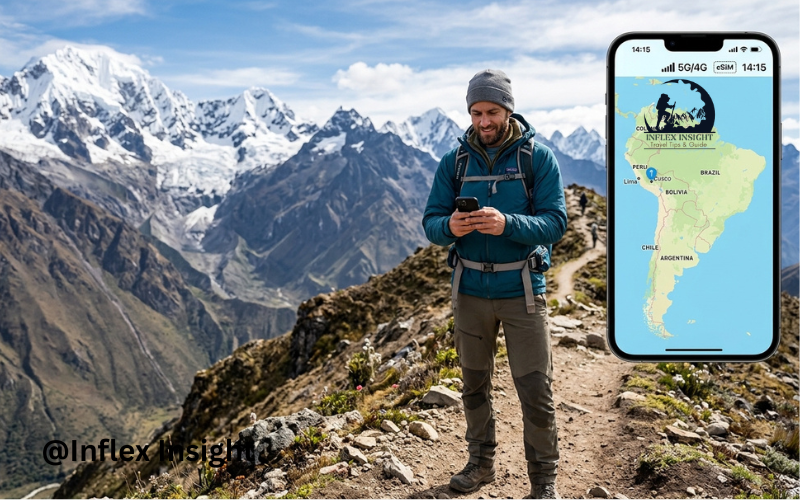
South America travel rewards the curious like few other regions on earth. The continent holds 12 sovereign countries, the world’s longest mountain range in the Andes, and the largest rainforest on the planet. You can stand on a glacier in the morning and sweat in the jungle a week later. This guide cuts through the noise and gives you a clear plan.
I have spent years covering this region, and I will be blunt about one thing. Most travelers try to see too much. Below, you will find the best areas, the smartest timing, and the practical details that actually protect your budget and your sanity.
Why South America Travel Is Worth the Effort
South America packs staggering variety into one landmass. The Andes run roughly 7,000 kilometers down the western spine, from Venezuela to the southern tip of Chile. The Amazon basin covers about 40 percent of the continent. Between them sit deserts, wine valleys, glaciers, and coastlines on two oceans.
The payoff is range. One trip can mix ancient ruins, world-class food, and raw wilderness. The tradeoff is distance. Countries are large, and internal flights often beat long bus rides. Plan around regions, not the whole continent.
Best Regions and Countries to Visit
Do not attempt the entire continent in one trip. Pick a region that matches your interests and your calendar. Here are the strongest starting points.
Peru: The Andean Classic
Peru is the safest bet for first-timers. Cusco is the gateway to the Sacred Valley and Machu Picchu, which sits at 2,430 meters above sea level. Cusco’s historic center and Inca ruins deserve at least three days before you head to the citadel. Cusco was once the capital of the Inca Empire, and that history still shapes the city.
Add Lima for its food scene and the Amazon around Iquitos or Puerto Maldonado if you want jungle. Two weeks covers Peru comfortably.
Chile and the Atacama
Chile stretches more than 4,000 kilometers north to south, so choose your section. The Atacama Desert with its salt flats and stargazing is the driest nonpolar desert on earth and a bucket-list landscape. Patagonia in the south delivers glaciers and trekking, best from November to March.
Colombia: The Rising Star
Colombia has become one of the region’s most popular entry points. Medellín’s transformed neighborhoods and mild climate pair well with Cartagena’s colonial coast and the coffee region. It offers strong value and short domestic flights.
Ecuador and the Galápagos
Ecuador is compact and efficient, which makes it ideal for shorter trips. Ecuador’s volcanoes, markets, and cloud forests sit within hours of Quito. The Galápagos Islands are the marquee add-on for wildlife lovers.
Venezuela’s Caribbean Escape
For a beach-focused detour, the Los Roques archipelago and its turquoise cays offer some of the calmest Caribbean water in the region. Check current travel advisories before committing.
When to Go
Timing depends on latitude, not a single season. The continent crosses the equator, so conditions flip as you move.
- Andes and Peru: May to September is dry and best for trekking.
- Patagonia: November to March offers long days and open trails.
- Amazon: The drier months from June to October ease jungle access.
- Brazil and the coast: December to March is peak summer and Carnival season.
Budget and Costs
South America spans a wide price range. Bolivia and Peru sit at the affordable end. Chile, Uruguay, and parts of Brazil cost noticeably more. Argentina swings with its currency, so check rates close to departure.
A realistic mid-range daily budget runs from 50 to 100 US dollars in cheaper countries, and 100 to 180 in pricier ones. Domestic flights are your biggest variable, so book them early.
Staying Connected on the Road
Reliable data is not a luxury here. You will lean on it for maps, ride-hailing, translation, and booking last-minute buses. Buying a physical local SIM in each country wastes time at borders and airports.
A simpler option is an esim card, a digital SIM you install before you fly and activate on arrival. It keeps you online across multiple countries without swapping plastic chips, which matters on a multi-stop South America itinerary.
Practical Safety and Logistics
Use common sense, not fear. Stick to registered taxis or ride apps at night, keep valuables out of sight, and carry small bills. Altitude is a real concern in the Andes. Acclimatize slowly in Cusco or La Paz, hydrate, and rest on your first day.
Learn a few Spanish phrases. Portuguese rules Brazil, but Spanish covers most of the continent. Locals respond warmly to the effort.
A Sample Three-Week Route
- Days 1 to 6: Lima, Cusco, and Machu Picchu in Peru.
- Days 7 to 11: La Paz and the Uyuni salt flats in Bolivia.
- Days 12 to 16: The Atacama Desert in northern Chile.
- Days 17 to 21: Buenos Aires and a wine detour to Mendoza in Argentina.
This loop balances culture, landscape, and reasonable travel times. Swap Colombia or Ecuador in if you prefer the north.
FAQs
1. How many days do I need for South America travel?
Two to three weeks suits one region well. A full continent tour realistically needs two months or more, so most travelers focus on two or three countries.
2. Do I need a visa?
Most South American countries allow US passport holders to enter visa-free for tourism, usually for 90 days. Rules change, so confirm each country before you book.
3. Is it safe to travel alone?
Solo travel is common and manageable across the region. Choose well-reviewed accommodation, avoid displaying wealth, and trust your instincts in unfamiliar areas.
4. What currency should I carry?
Each country uses its own currency, and US dollars help as a backup. Cards work in cities, but carry cash for rural areas and small vendors.
5. Which country is best for a first visit?
Peru offers the easiest introduction. It combines iconic sights, solid tourist infrastructure, and manageable logistics for newcomers.