
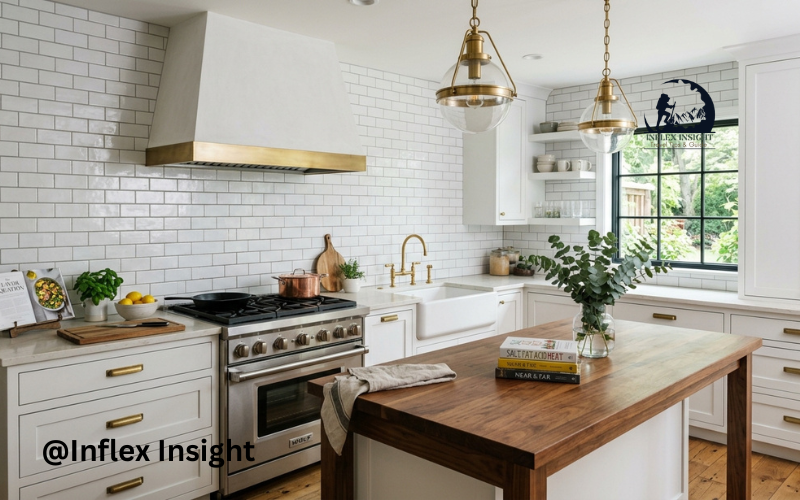
Some kitchens are not broken because of bad design. They are tired because they have been used, loved, spilled on, cooked in, cleaned up, and leaned on for years. That kind of wear tells a story, but it also creates real daily frustration when doors stop closing properly, surfaces stain too easily, and the layout gets in the way more than it helps.
A hard-working kitchen does not always need a dramatic reinvention. Sometimes the smartest choice is a practical refresh that fixes what is failing, keeps what still works, and improves the areas that affect everyday life the most. That balance matters because full-scale changes can be exciting, but they can also add cost, time, and decisions that may not be necessary.
The best updates usually start with a simple question: What is making this room harder to use than it should be? In many homes, the answer is not one single thing. It is a mix of worn cabinetry, damaged surfaces, awkward flow, and storage that no longer supports the way the household lives. According to the home team bec, practical updates can often make a bigger impact when they are guided by how the space is actually used each day.
When cabinets stop pulling their weight
Cabinets take more abuse than almost anything else in a kitchen, so it makes sense that they are often the first major feature to show age.
Peeling veneer, damaged doors, loose trim, and missing pieces can make the whole room feel neglected, even when the rest of the home is well cared for. At a certain point, touch-ups stop being a solution. Paint may cover discoloration for a while, and small repairs can buy time, but failing cabinet materials usually continue to break down.
That does not mean the cabinetry needs to become overly trendy or complicated. A clean, classic cabinet style can give the room a fresh look without making it feel tied to a short-lived design moment. This is where balance matters. Homeowners may want something that feels current, but they also need something they will still appreciate years from now.
The goal should be strength, function, and a look that supports the rest of the kitchen rather than taking over the room. Good cabinetry should feel intentional, not flashy for the sake of being new.
Countertops should make cooking easier, not more stressful
A kitchen counter is not just a visual feature. It is a landing zone, prep station, serving area, homework spot, coffee corner, and sometimes the place where every bag in the house gets dropped.
When countertops burn easily, stain quickly, or feel impossible to keep clean, the kitchen stops feeling dependable. That frustration adds up. Homeowners may find themselves avoiding certain cooking tasks or constantly worrying about damaging a surface that should be able to handle normal use.
Updating the countertops can be one of the most noticeable quality-of-life changes in a hardworking kitchen. The right surface does not have to be the most expensive option available, but it should match the way the household cooks, cleans, and gathers.
This is also where homeowners should be honest about priorities. Some materials are beautiful but need more care. Others are durable but may not deliver the exact look someone imagined. A fair decision weighs appearance, maintenance, budget, and daily use together instead of focusing on one factor alone.
Fix the awkward spots before chasing the extras
Peninsulas, islands, corners, and dining transitions can either make a kitchen feel smooth or make it feel crowded. When one feature blocks traffic, limits seating, or prevents storage from working properly, it affects the whole room. These are the areas worth studying before adding decorative upgrades.
A smart update does not always mean removing everything. Sometimes it means reshaping one awkward section so the kitchen works harder. Better storage, improved walking paths, and usable seating can change how a family moves through the space every day. Homeowners comparing options often look at project examples, contractor communication, and reviews of BEC Innovations Home Remodeling while thinking through what kind of process feels trustworthy and realistic. That context can make the decision feel less rushed.
The important thing is to focus on the problem, not just the feature. If a peninsula is too bulky, the answer may be a new shape. If storage is lacking, the answer may be deeper cabinets or smarter interior organization. If seating never gets used, the layout may need to invite people in more naturally.
Keep what already works
One of the most underrated parts of a kitchen update is knowing what not to change.
If appliances are still in good condition, keeping them can protect the budget. If the lighting works well, replacing it may not be necessary. If the general footprint makes sense, there may be no reason to start over from scratch. The smartest projects are not always the biggest ones. They are the ones who put money and effort into the right places.
This approach can feel less dramatic at first, but it is often more practical. Homeowners get the benefit of a kitchen that looks and functions better without paying for changes that do not add much value to their everyday life.
That said, keeping existing features requires careful planning. Appliances may need to be removed during the work and reinstalled properly. Existing lighting and electrical elements need to be protected. Measurements have to be accurate so the new pieces fit around what is staying. Saving money in one area should not mean cutting corners in another.
A hardworking kitchen deserves thoughtful choices
A worn kitchen does not need to be judged harshly. Wear usually means the room has served its purpose for a long time. The question is whether it can keep serving the household well without creating daily irritation.
For some homeowners, the answer will be a full redesign. For others, the better path is targeted improvement: replace failing cabinets, upgrade tired counters, rework the awkward layout, and preserve the pieces that still make sense. Neither choice is automatically better. The right answer depends on budget, condition, goals, and how the kitchen is used.
What matters most is avoiding updates that are random, rushed, or purely cosmetic. A kitchen that has worked hard deserves more than a surface-level makeover. It deserves choices that respect what the room has been, while making it easier, cleaner, and more enjoyable to use going forward.
When the updates are thoughtful, even a tired kitchen can feel steady again. Not brand new in a forced way, but renewed in the ways that matter most.