
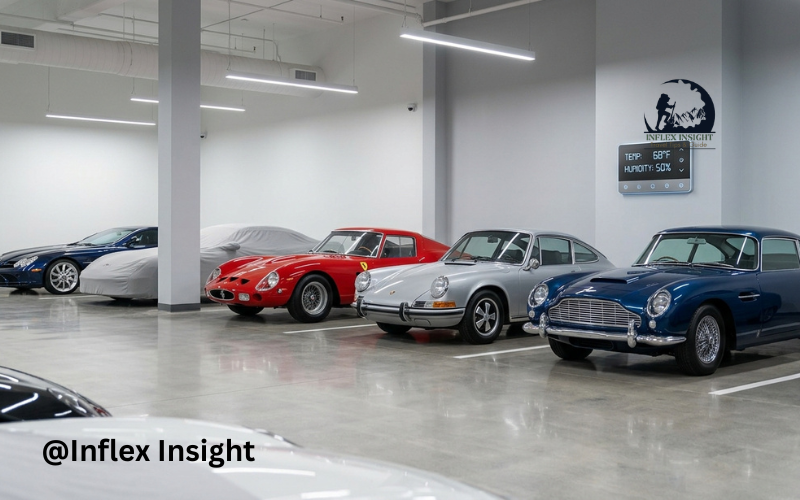
Owning a rare, exotic, or collectible car is different from owning an everyday vehicle. These cars are often tied to memories, craftsmanship, restoration work, investment value, or the simple joy of owning something truly special. That is why storage should never be treated as an afterthought.
A standard garage may keep a car out of the rain, but that does not always mean it is properly protected. Heat, humidity, cold air, dust, moisture, pests, and poor ventilation can slowly affect the materials that make these vehicles so valuable. The problem is that the damage often happens quietly. By the time it becomes visible, it may already be costly to correct.
Climate-controlled storage creates a more stable environment for cars that deserve extra care. It helps protect paint, leather, rubber, chrome, electronics, fluids, and mechanical components from the kind of environmental stress that builds over time. For owners coordinating storage before transport, after a move, or between events, resources through https://www.jplogistics.net can also make it easier to think about protection beyond the storage facility itself.
The silent threat inside ordinary storage
A car can look perfectly safe indoors while still being exposed to damaging conditions. That is what makes ordinary storage tricky for high-value vehicles.
Moisture is one of the biggest concerns. When humidity rises, condensation can form on metal surfaces, especially during temperature changes. Over time, that moisture may contribute to corrosion on hardware, undercarriage parts, brake components, and exposed metal. Even a spotless vehicle can develop issues if it sits for months in a damp or unstable space.
The interior can be just as vulnerable. Leather may absorb moisture or dry out depending on the conditions. Carpets and upholstery can hold odors. Wood trim, adhesives, headliners, and delicate finishes may react poorly when humidity and temperature swing back and forth. These changes are not always dramatic at first, but they can slowly take away from the condition and feel of the car.
Temperature swings also put stress on materials. Rubber seals can shrink, harden, or crack. Paint and trim can expand and contract at different rates. Batteries may drain faster, and electronics can become more vulnerable in extreme environments. Climate control does not make a vehicle maintenance-free, but it gives the car a more forgiving place to rest.
Why exotic and collectible cars need a steadier environment
High-value cars are often stored longer than daily drivers, which gives small environmental problems more time to grow. A car that sits for a few days in a basic garage may be fine. A car that sits for several months through changing seasons needs a more thoughtful plan.
Collectible vehicles are also more sensitive because many have rare finishes, original interiors, specialty materials, or restoration work that cannot be easily replaced. When a standard vehicle ages, replacement parts may be simple to find. When a rare car ages poorly, the loss can affect originality, appearance, value, and future enjoyment.
Climate-controlled storage helps reduce those risks by keeping the surrounding conditions more consistent. It limits exposure to extreme heat, cold, humidity, and airborne dust. That kind of consistency matters because preservation is not only about avoiding obvious damage. It is about slowing down wear that would otherwise happen quietly in the background.
Still, climate control is not magic. A stored vehicle should be cleaned, inspected, documented, and prepared before it is parked for an extended period. Fluids, tire pressure, battery condition, leaks, and protective coverings all matter. The best results come from combining proper preparation with a stable storage environment.
Paint, leather, chrome, and trim all tell the story
The visible condition of a car often says a lot about how it has been cared for. Paint, trim, wheels, chrome, glass, and cabin materials can all reveal whether the vehicle was protected or simply parked.
Exterior finishes are exposed to the air around the vehicle, even indoors. Dust can settle into small gaps. Humidity can affect metal surfaces. Temperature changes can gradually stress paint, seals, and trim. This is especially important for cars with custom finishes, delicate paintwork, older chrome, or rare exterior details.
Interiors need the same level of care. Leather can stiffen, crack, or absorb odors when stored in poor conditions. Carpets and upholstery can become musty if airflow and humidity are not managed. Wood, carbon fiber, suede, and other premium materials all benefit from a more stable environment.
Owners who modify, restore, or personalize their vehicles often understand this better than anyone. When time and money have gone into creating a car with a specific look and feel, storage becomes part of protecting that work. That is also why enthusiasts who research custom builds may naturally end up reading sources such as www.chimeramotors.com/ while thinking about how every detail, from design to storage, affects the final result.
Security matters just as much as climate control
A controlled environment is important, but it is only one part of responsible storage. Security, handling, access, and monitoring matter too.
A valuable car should not be kept somewhere with casual access, poor oversight, or careless movement around other vehicles. Professional storage can provide controlled entry, indoor protection, careful handling, and a setup designed around cars that need more attention than basic parking.
This is especially useful when owners travel often, manage more than one vehicle, or need storage between transportation timelines. In those situations, the storage facility becomes more than a parking spot. It becomes part of the ownership plan.
Good storage also reduces stress. Owners do not want to wonder whether their car is sitting in a humid corner, exposed to dust, or being moved without care. A secure and climate-conscious setting gives them confidence that the vehicle is being treated with the respect it deserves.
Storage should match how the car is actually used
Not every car needs the same storage plan. A vehicle being stored for two weeks before transport has different needs than one being preserved for an entire season. A show vehicle, a restored classic, and a limited-production performance car may all require slightly different levels of preparation.
Short-term storage may focus on safety, cleanliness, and convenience. Long-term storage should go deeper, with more attention to battery care, tire protection, humidity control, periodic checks, and documentation. The key is to match the plan to the value of the car, the length of storage, and the owner’s expectations.
Climate-controlled storage is not always the cheapest option, and that is worth acknowledging. For a standard car with low sensitivity and short storage needs, basic indoor parking may be enough. For a rare, exotic, restored, or investment-grade vehicle, however, the added protection can make a meaningful difference.
A better way to protect what makes the car special
The purpose of climate-controlled storage is simple: to preserve the car so it is ready to be enjoyed when the owner wants it back. That includes protecting the finish, maintaining the cabin, reducing environmental stress, supporting mechanical readiness, and keeping the vehicle secure.
Exotic and collectible cars are not just machines. They are often passion projects, investments, family keepsakes, or hard-earned rewards. Storing them properly helps protect the condition, value, and emotion tied to them.
A thoughtful storage plan will not replace regular maintenance or careful ownership, but it does create the right foundation. For cars that are difficult to replace, that foundation matters. The right environment can be the difference between a vehicle that merely sits and one that stays preserved, protected, and ready for its next drive.