
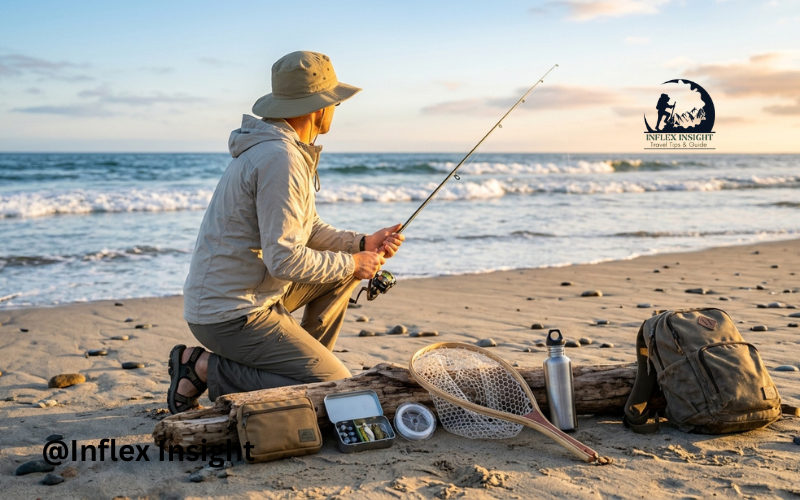
A great beach fishing trip starts long before the first cast. It begins with the way you pack, move, handle your catch, respect the shoreline, and leave the sand when the day is done. For beach explorers who care about the natural world, the right essentials are not just about convenience. They help protect fish, birds, dunes, tide pools, and the quiet beauty that makes coastal days worth remembering.
The challenge is simple. Beach fishing often means carrying rods, tackle, bait, water, towels, sun protection, and cleanup supplies across soft sand. That can quickly turn a relaxing outing into a tiring one. Choosing gear that keeps you organized and reduces unnecessary strain makes the whole experience smoother. For anyone looking to make transport easier without turning the trip into a hauling workout, it may be worth exploring options and contact e-Beach Wagon while planning a more comfortable setup.
Pack light, move smart, and protect the shoreline
Nature-friendly beach fishing is about bringing what you need without dragging half the garage onto the sand. A lighter, smarter setup helps you move more carefully, avoid crushing fragile coastal plants, and reduce the chance of leaving items behind.
Start with the essentials that serve more than one purpose. A compact tackle box, a reusable water bottle, a small first-aid kit, a towel, sun protection, and a waste bag can cover most of what you need without creating clutter. A well-organized setup also keeps hooks, line, and small tools from scattering into the sand, where they can harm wildlife or injure other beachgoers.
Transport matters too. When gear is balanced and secure, you are less likely to take shortcuts through sensitive areas. Stick to established paths, avoid dunes, and keep your equipment contained. The easier your gear is to move, the easier it is to respect the beach around you.
Choose a tackle that shows respect for the water
Every item in your tackle kit has an impact, even the small ones. Thoughtful choices can reduce harm to fish, birds, and marine life while still giving you a productive and enjoyable day by the water.
Use tackle that matches the fish you are targeting. Oversized hooks, weak line, or poorly chosen rigs can lead to deep hooking, broken line, and lost gear. That lost gear does not simply disappear. It can remain in the environment, where it may tangle around birds, fish, or other animals.
A responsible tackle setup should include sharp hooks, appropriate line strength, and a small container for used line. Never toss trimmed line into the sand or water. Even short pieces can become dangerous. If you change rigs often, keep a dedicated pouch or sealed bag for old hooks, line, packaging, and bait scraps until you can dispose of them properly.
Handle every catch with care and confidence
The way you handle a fish matters just as much as the way you catch it. Good handling reduces stress, improves survival after release, and makes the experience better for everyone involved.
Wet your hands before touching a fish, avoid squeezing its body, and keep it close to the ground or over the water when possible. If you plan to release it, work quickly and calmly. Long photo sessions, dry sand, and rough handling can cause unnecessary harm. A compact tool for removing hooks can make a big difference, especially when a fish is hooked awkwardly.
The best tools are simple, sturdy, and easy to clean. They help remove hooks without excessive pressure or fumbling, which protects both the fish and the person handling it. This is especially helpful when fishing with kids, beginners, or groups where not everyone is comfortable dealing with a lively catch. Anyone organizing group trips, rental kits, beach programs, or supply setups may want to look into fishing tools available for bulk orders as part of a responsible gear plan, especially when consistency and safety matter.
Keep comfort practical, not wasteful
Comfort and sustainability can work together beautifully when you choose reusable, durable items instead of disposable ones. A more comfortable beach day does not need to create extra trash or unnecessary plastic.
Bring a refillable bottle, reusable food containers, a washable towel, and a compact shade option if you plan to stay for several hours. Avoid single-use plastic bags that can blow away, and pack snacks in containers that seal tightly. Wind has a way of turning small wrappers into beach litter in seconds.
Footwear also matters. Choose shoes or sandals that help you walk safely without damaging sensitive areas. When possible, rinse gear at home rather than using harsh cleaners near the beach. Salt, sand, and bait residue can be managed with fresh water, a brush, and a little patience.
Leave the beach better than you found it
A nature-friendly beach explorer treats cleanup as part of the trip, not an afterthought. The final few minutes before leaving can make a real difference for the shoreline and the wildlife that depends on it.
Before you pack up, scan the area around your spot. Look for fishing line, bait packaging, bottle caps, snack wrappers, broken shells mixed with trash, and anything that may have fallen from your bag. Even if the litter is not yours, picking up a few pieces is one of the simplest ways to protect the place you enjoy.
It also helps to check your gear before walking away. Hooks can catch in towels, line can wrap around chair legs, and small tools can disappear into the sand. A quick inventory keeps your equipment together and prevents accidental hazards from being left behind.
Make every trip part of a better habit
The best beach fishing essentials are the ones that help you enjoy the coast while caring for it at the same time. A smart transport setup, organized tackle, careful fish handling, reusable comfort items, and a simple cleanup routine can completely change the feel of your trip.
Nature-friendly fishing is not about being perfect. It is about making better choices each time you head out. Pack with intention, move with awareness, handle catches gently, and leave no trace behind. When every beach explorer takes that approach, fishing becomes more than a pastime. It becomes a way to connect with nature while helping preserve it for the next person, the next tide, and the next quiet morning by the water.